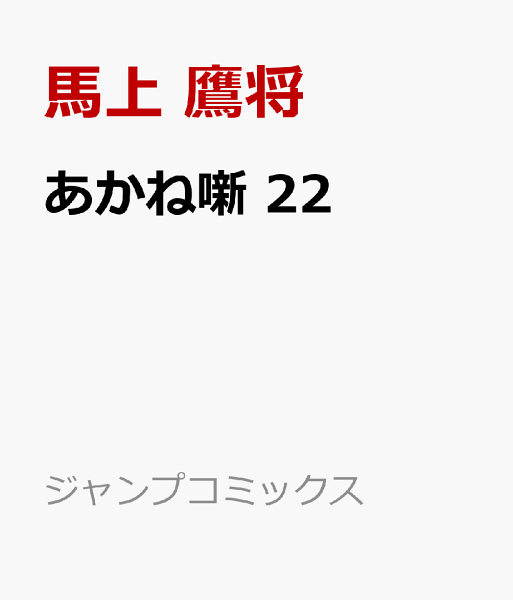
Akane-banashi Review — A High Schooler Becomes a Rakugo Performer to Vindicate Her Father's Lost Career
by Yuki Suenaga (story) / Takamasa Moue (art)
Read the first volume. If it doesn't hook you, put it down. It'll hook you.
Buy Akane-banashi on Amazon →*Affiliate link — I earn a small commission at no extra cost to you.
I have always loved rakugo. My grandfather used to listen to rakugo broadcasts on NHK radio. As a child I sat next to him, not understanding the jokes, watching him laugh at them. The laughter was the part I understood. I learned the form before I learned the content.
Akane-banashi is the first manga I have read that respects rakugo the way my grandfather did. That is enough on its own to make it worth your time.
Quick Take
- Yuki Suenaga (story) / Takamasa Moue (art)'s ongoing Weekly Shonen Jump manga (2022–) about a high schooler becoming a rakugo performer
- 21 volumes in Japanese, 14 available in English from VIZ as of 2026
- The April 2026 anime adaptation by Zexcs has brought significant international attention
- Age rating: T (Teen) — emotional intensity around family conflict; no graphic content
What Is Akane-banashi About?
Akane Sakurasaki (桜咲 朱音) is a Tokyo high school student. Her father, Tsutsumi Shinta (堤 信太), was — when she was a child — one of the most promising young rakugo students at the Arakawa school. Rakugo, the traditional Japanese art of comedic storytelling performed by a single seated performer, has a strict apprentice-master hierarchical structure. Tsutsumi was on track for promotion to shinuchi (真打ち), the highest rank — equivalent to becoming a fully-recognized master who can take on his own apprentices.
The night before his shinuchi promotion ceremony, Tsutsumi was expelled from the school by his master, Issho Arakawa — publicly, humiliatingly, in a way that ended his rakugo career. Six-year-old Akane was watching from backstage. She saw her father walk out of the dressing room a stranger to himself, and she never saw him perform rakugo again.
Across the next eleven years, Akane secretly studied rakugo. She practiced. She listened to recordings of her father's old performances. She memorized the major rakugo stories. By high school, she was ready.
She returns to the Arakawa school under the stage name Akane Arakawa — using the school name as a deliberate statement — and asks to be taken as an apprentice. The master, Issho, recognizes her. He does not refuse her. The apprenticeship begins.
The manga's central thesis: Akane is going to climb the Arakawa school's ranks. She is going to reach shinuchi. And on the day she does, she is going to perform the routine her father was supposed to perform on the day he was expelled. Not as revenge. As completion. The story Tsutsumi could not tell, told finally by his daughter, on the same stage.
The next 21 volumes follow Akane through:
- Apprentice work, the rakugo hierarchy, training
- Building a small community of fellow apprentices (some allies, some rivals)
- Approaching her father (who has not performed in eleven years) through her own performances
- Discovering what actually happened the night her father was expelled (the manga unfolds this gradually)
- The annual rakugo competitions she has to win to climb the hierarchy
The series is ongoing. It is one of the most acclaimed serialized manga in current Weekly Shonen Jump.
What Is Rakugo?
For English readers unfamiliar: rakugo (落語) is a 400-year-old Japanese form of comedic and dramatic storytelling. A single performer kneels on a cushion in formal kimono with only a folding fan and a hand towel as props. The performer narrates the story while voicing all characters, switching between them with subtle adjustments of posture, voice, and the angle of their face. A rakugo story typically runs 15–30 minutes.
The form is highly disciplined. Apprenticeships traditionally last over a decade. The hierarchy from zenza (apprentice) through futatsume (middle rank) to shinuchi (master) is strict; advancement requires both technical mastery and master-school recognition.
Rakugo is one of Japan's most highly respected traditional performance arts. The art form has been depicted in other manga (notably Shouwa Genroku Rakugo Shinjuu), but Akane-banashi treats it within a shounen-battle-manga structure — turning performance competitions into the equivalent of fighting tournaments.
Who Is This Manga For?
- Shonen Jump readers wanting one of the magazine's current best serializations
- Rakugo enjoyers or anyone curious about traditional Japanese performance art
- Father-daughter family drama readers
- Battle-manga fans willing to accept performance-skill battles instead of physical
- Anime watchers of the April 2026 adaptation who want the source
- Not for: readers wanting traditional action; readers unfamiliar with rakugo who don't want to learn
Content Warnings & Age Rating
Age Rating: T (Teen) — 13+ Content Warnings: Emotional family conflict; some traditional Japanese cultural content that may be opaque to non-Japanese readers; references to historical rakugo content that occasionally includes period-typical social attitudes
The T rating is accurate. The manga is appropriate for teen readers.
Characters
Akane Sakurasaki / Akane Arakawa — The protagonist. Disciplined, fierce, technically gifted, emotionally singular in her purpose. The manga's central question is whether her devotion to her father's vindication will sustain her or consume her.
Issho Arakawa — The master who expelled Akane's father. The manga's most complicated character. His reasons for the expulsion emerge gradually. He is not a villain in the conventional sense.
Tsutsumi Shinta — Akane's father. Once a rakugo performer; now works in a regular office job and has not performed in eleven years. The manga handles him with care.
The Arakawa school apprentices — Various other apprentices Akane trains alongside. Each has their own arc and rakugo specialization. The friend group is one of the manga's strengths.
Various rakugo masters and rival school members — The competition structure introduces many supporting characters across the volumes.
Art Style
Takamasa Moue's art is exceptional. The performance sequences — Akane on the cushion, telling a story, voicing multiple characters — are rendered with attention that captures both the static physical position of the performer and the dynamic interior of the storytelling. Moue uses panel composition, facial expression, and visual metaphor to depict what is happening inside the story being told.
This is technically demanding. A static figure has to convey dynamic action. Moue does it consistently.
Cultural Context
Akane-banashi is one of the most well-received manga of the 2020s in Japanese serialization. Cumulative sales exceed 3 million copies as of January 2026. It has been frequently cited as one of the best ongoing Weekly Shonen Jump serializations.
Yuki Suenaga is the writer; his career includes other manga writing credits. Takamasa Moue is the artist; Akane-banashi is his first major series.
The April 2026 anime adaptation by Zexcs (directed by Ayumu Watanabe, opening theme by Keisuke Kuwata) is currently airing as of this review.
What I Love About It
The performances.
In each major story arc, Akane performs a specific rakugo piece. The manga depicts the performance from multiple angles: Akane on the cushion (static), the story she is telling (dynamic), the audience's reaction (variable), and Akane's own interior experience of telling the story.
What I love is what Suenaga and Moue refuse to do. They do not flatten the performance into ordinary manga action. The story Akane tells is a real story. The reader follows the actual narrative as she performs it. The reader is, in effect, in the audience for each performance.
This is the manga's specific gift. Most "performance" manga abstract the performance into reaction shots and abstract visual metaphors. Akane-banashi gives you the performance. The reader experiences rakugo through the manga's pages in a way that approximates (as closely as a manga can) the experience of watching a real rakugo performance.
I think about my grandfather laughing at NHK rakugo broadcasts when I read these performance chapters. The laughter the manga produces in me is the same laughter. Suenaga and Moue have managed to translate the rakugo experience to the manga form. That is a real achievement.
What English-Speaking Fans Say
Akane-banashi has been one of the most highly-praised manga in English-language Weekly Shonen Jump readership of the past few years. Reddit r/manga, MangaPlus comment sections, and various manga critic sites consistently rate it as one of the best ongoing Jump titles.
The April 2026 anime has brought additional international attention.
Memorable Scene ⚠️ Light Spoiler
The first time Akane performs in front of her father.
Without spoiling specifics: somewhere in the middle volumes, Akane reaches a point in her training where she has a public performance her father attends. He has not been to a rakugo performance — his daughter's or anyone's — in eleven years.
The chapter shows the performance from Akane's perspective. She knows her father is in the audience. She has to perform. She does perform. The story she tells is one her father knows well (it is one he used to perform).
What makes the scene work is Moue's drawing of Akane's father's face during the performance. The man has not been a rakugo performer for over a decade. He is watching his daughter do what he was supposed to do. His expression is small. His hands are folded. He is paying attention.
The scene resolves without melodrama. Akane finishes the story. The audience applauds. Her father stands and walks out — not in anger, not in tears, just because the performance is over. Akane sees him leave. She does not pursue. The manga leaves the relationship in process rather than resolved.
That restraint is the manga's whole project. The vindication Akane is seeking will take time. The relationship with her father will take time. Suenaga and Moue understand that the moments along the way matter more than any climactic resolution. The manga is in the process. The process is what we are reading.
Similar Manga
| Title | Its Approach | How Akane-banashi Differs |
|---|---|---|
| Shouwa Genroku Rakugo Shinjuu | The other major rakugo manga; josei, older audience | Shouwa Genroku is adult drama; Akane-banashi is shounen |
| Bakuman | Performance/profession drama in Jump | Bakuman is manga industry; Akane-banashi is rakugo |
| Hikaru no Go | Skill development drama in Jump | Same Jump tradition; Akane-banashi has emotional family weight |
| Ping Pong (Matsumoto) | Sport-skill drama with character study | Same character-focus craft |
Reading Order / Where to Start
Volume 1. The manga is ongoing; current English readers are several volumes behind Japan.
Official English Translation Status
VIZ Media publishes the manga in English. 14 volumes available in English as of 2026; Japanese release is at 21 volumes, ongoing.
Chapters are available simultaneously in English on MangaPlus (Shueisha's official simulpublication app) shortly after Japanese release.
The April 2026 anime is available on streaming services with English subtitles.
Pros & Cons
Pros
- One of the best ongoing Weekly Shonen Jump manga
- Authentic engagement with rakugo as art form
- Moue's art is exceptional
- Akane is a well-written shonen protagonist
- The 2026 anime expands access
Cons
- Ongoing; no end yet
- Rakugo cultural context requires some openness from non-Japanese readers
- The performance-as-battle structure is unusual; takes adjustment
- The shounen-meets-traditional-arts register is an acquired taste. It won't land for everyone.
Is Akane-banashi Worth Reading?
Yes. Among the best ongoing manga in current English publishing. The cultural specificity is a feature, not a barrier.
Format Comparison
| Format | Notes |
|---|---|
| Physical (VIZ) | 14 volumes available in English |
| Digital | Available via VIZ digital, Kindle |
| MangaPlus | Simulpub chapters in English shortly after Japanese release |
| Anime (Zexcs, 2026) | Currently airing; on streaming services with English subtitles |
Where to Buy
Read the first volume. If it doesn't hook you, put it down. It'll hook you.
This post contains affiliate links. If you purchase through these links, I may earn a small commission at no extra cost to you. As an Amazon Associate, I earn from qualifying purchases.
*Affiliate link — I earn a small commission at no extra cost to you.
More Manga You Might Like
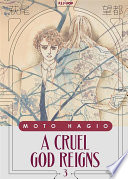
Drama / Romance
A Cruel God Reigns
Yu's review of A Cruel God Reigns by Moto Hagio — Jeremy's stepfather abuses him; Jeremy kills him; the next 16 volumes show what happens to a person after that. One of manga's most honest portraits of trauma and the possibility of recovery.

Drama / Medical
Say Hello to Black Jack
Eijiro Saito is a young medical resident who has just started at a Tokyo university hospital. He wants to help people. Across 13 volumes, Shuho Sato shows him what Japanese hospital medicine actually is — cancer wards, neonatal ICU, psychiatric care, organ transplantation, oncology — and what the system does to patients and doctors. The author released the work copyright-free in 2012. Cultural impact in Japan was significant; English licensing remains pending.
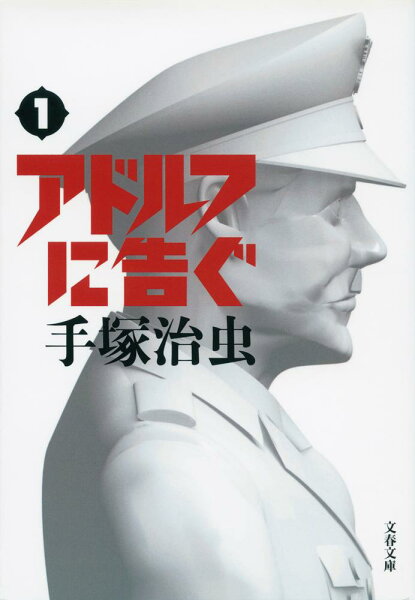
Historical / Drama
Message to Adolf
Yu's review of Message to Adolf (Adolf ni Tsugu) — Osamu Tezuka's historical epic following three men named Adolf through WWII and beyond, a devastating story of how war and ideology deform individual lives.
Action / Drama
Beck: Mongolian Chop Squad
Yu's review of Beck: Mongolian Chop Squad — Yukio 'Koyuki' Tanaka is a fourteen-year-old with nothing going for him until he rescues a strange dog and meets Ryusuke, a guitarist back from America with a bullet-scarred Les Paul named Lucille.
Drama / Slice of Life
Bakuman
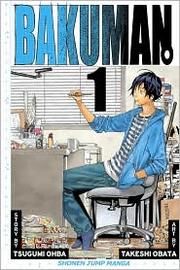
Yu's review of Bakuman — ninth-graders Moritaka Mashiro and Akito Takagi form a manga duo and fight their way through Weekly Shonen Jump's serialization machine, driven by a promise: Mashiro will marry his crush Miho Azuki when she voices the heroine in their anime. From the Death Note team, the most honest manga ever made about making manga.
Drama
Ayako
Yu's review of Ayako — a few years after the war, the Tenge landlord family locks their youngest daughter Ayako in a storehouse to silence what she saw; she grows up underground for over twenty years; when she finally comes out, the country has moved on but the family's rot hasn't. Osamu Tezuka's darkest postwar thriller about the secrets Japan buried instead of facing.
Written by
Yu
Manga Enthusiast from Japan
I grew up in Japan and manga literally saved me during a tough time in elementary school. My English isn't perfect, but my love for manga is real — and I want to share it with you.
Disclosure: This post contains affiliate links. As an Amazon Associate, I earn from qualifying purchases at no extra cost to you.