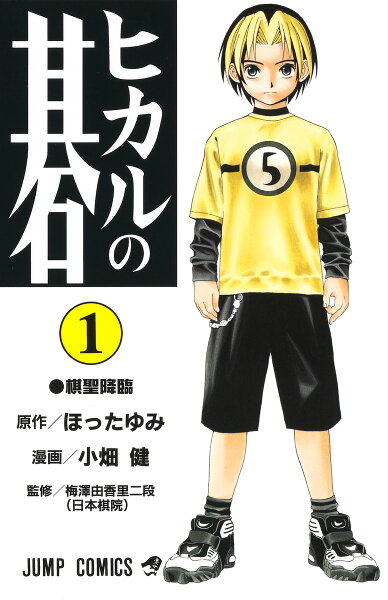
Hikaru no Go Review: A Boy Possessed by an Ancient Go Master Discovers the Game That Will Define His Life
by Yumi Hotta / Takeshi Obata
Read the first volume. If it doesn't hook you, put it down. It'll hook you.
Buy Hikaru no Go on Amazon →*Affiliate link — I earn a small commission at no extra cost to you.
Quick Take
- A ghost teaches a boy Go, and the boy discovers he wants to be the best at Go on his own terms, not the ghost's
- Takeshi Obata (Death Note) draws it; Yumi Hotta writes it; together they made Go interesting to millions of people who had never thought about Go
- 23 volumes, complete; one of the finest sports manga ever made about any game
Who Is This Manga For?
- Anyone who has ever discovered a discipline they did not expect to care about
- Readers who want sports manga where the internal logic of the sport is explained without slowing down the story
- Fans of Death Note who want Obata's art in a completely different emotional register
- Readers who want completed sports manga with a genuine ending
Content Warnings & Age Rating
Age Rating: All Ages Content Warnings: Mild ghost/supernatural premise; competitive matches can be intense
The gentlest sports manga on the site. Safe for any age.
Yu's Rating
| Category | Score |
|---|---|
| Story Depth | ★★★★★ |
| Art Style | ★★★★★ |
| Character Development | ★★★★★ |
| Accessibility for Non-Japanese Readers | ★★★★★ |
| Reread Value | ★★★★★ |
Story Overview
Hikaru Shindo is twelve years old and not particularly interested in anything. In his grandfather's attic, he finds a Go board stained with old blood. The board is inhabited by the spirit of Fujiwara-no-Sai, a Heian-era Go master who has been waiting for a vessel so he can play again.
Sai possesses Hikaru and begins playing Go through him. Hikaru gradually learns the game just by watching Sai play. He meets Akira Toya — the son of a Go legend, a prodigy — and beats him (Sai beats him). Akira becomes Hikaru's rival before Hikaru is even a real player.
The series follows Hikaru's development from a vehicle for Sai's genius into a genuine Go player whose ambition is his own — to reach a level where he can face the strongest players in his own right.
Characters
Hikaru Shindo — His arc from disinterested to passionate to genuinely driven is the series' primary journey; the specific moment when his desire to play Go becomes his own, separate from Sai's, is the series' most important turning point.
Fujiwara-no-Sai — The ghost. His specific longing — to play Go, which is the only thing he ever loved, and to find the divine move that eluded him in life — is the series' deepest emotional thread.
Akira Toya — Hikaru's rival. His lifelong dedication to Go, his father's legacy, and his specific obsession with the mysterious player who beat him at twelve are the series' competitive engine.
Art Style
Obata's art handles both the character drama and the Go board positions with clarity — a significant technical challenge. The game sequences communicate tension without requiring the reader to understand Go strategy. His character designs are among the finest in sports manga — Sai's Heian-era robes and expression alongside Hikaru's modern school uniform is one of manga's most distinctive visual pairings.
Cultural Context
Go is one of Japan's most traditional games — its history stretches back over a thousand years, and its status as the most complex abstract strategy game ever invented gives the series its supernatural premise real weight. The Go world depicted — professional associations, age restrictions for going professional, the father-son Toya dynamic — is drawn from real Japanese competitive Go culture.
What I Love About It
Sai's relationship to the game. He is not a spirit of revenge or regret in the conventional ghost sense — he loves Go the way some people love music or art, as the thing that makes existence worth having. Watching him play, across 23 volumes, is watching someone do the one thing they were made to do. That this has to end — and how it ends — is the series' most affecting element.
What English-Speaking Fans Say
Western readers consistently describe Hikaru no Go as the sports manga that made them care about a game they had no interest in — the standard test of the genre. The Sai relationship is cited as the series' emotional core. The ending, which is divisive in terms of what it shows and does not show, is discussed more than any other element.
Memorable Scene ⚠️ Spoiler Warning
The episode of Sai's disappearance — what happens, why it happens, and what Hikaru does with the absence — is one of manga's most quietly devastating sequences. Hotta and Obata earned the emotional weight through 20 volumes of building.
Similar Manga
- Chihayafuru — Traditional Japanese competitive game, same emotional depth
- March Comes in Like a Lion — Shogi as life context, similar emotional register
- Death Note — Same artist, completely different genre
- Blue Period — Discovering a passion unexpectedly and pursuing it seriously
Reading Order / Where to Start
Volume 1 — the haunted board and Sai establish in the first chapter.
Official English Translation Status
VIZ Media published the complete 23-volume series. All volumes available.
Pros & Cons
Pros
- 23 volumes, complete
- Makes Go accessible without requiring Go knowledge
- Sai is one of manga's finest supporting characters
- The rival dynamic between Hikaru and Akira is impeccably developed
Cons
- The ending is deliberately incomplete — some readers find this unsatisfying
- The Go game mechanics are simplified; Go players may want more depth
- The middle tournament arcs slow the pacing
Format Comparison
| Format | Notes |
|---|---|
| Individual Volumes | VIZ Media; standard |
| Digital | Available |
Where to Buy
Read the first volume. If it doesn't hook you, put it down. It'll hook you.
This post contains affiliate links. If you purchase through these links, I may earn a small commission at no extra cost to you. As an Amazon Associate, I earn from qualifying purchases.
*Affiliate link — I earn a small commission at no extra cost to you.
More Manga You Might Like
Sports
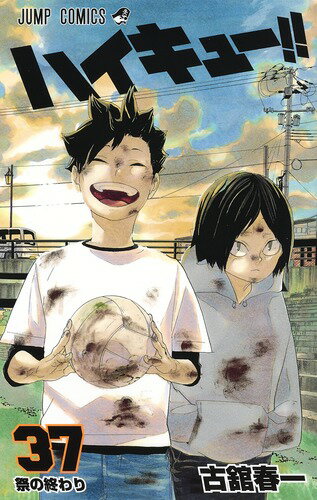
Haikyuu!!
Haikyuu!! follows Hinata Shoyo, a volleyball-obsessed boy who is short for the sport, and his journey from disastrous first tournament through the complete arc of high school volleyball with the Karasuno High team — one of the most celebrated sports manga of its generation.
Sports / Drama
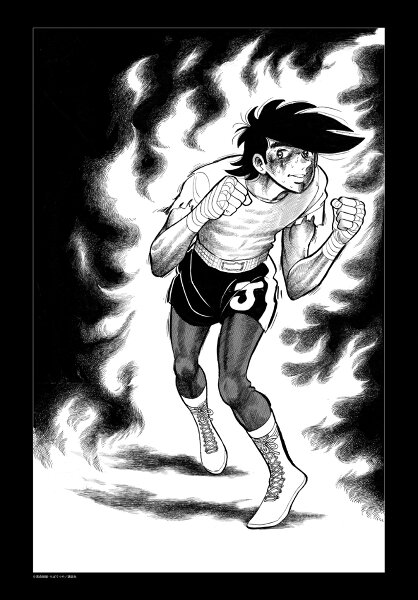
Ashita no Joe
Yu's review of Ashita no Joe — Joe Yabuki claws out of the postwar Tokyo slums, is found by a broken-down trainer, and turns boxing into a way to burn himself completely. From Rikiishi's fatal weight cut to the white-ash final scene, this is the manga that taught the whole genre what cost means.
Sports / Drama
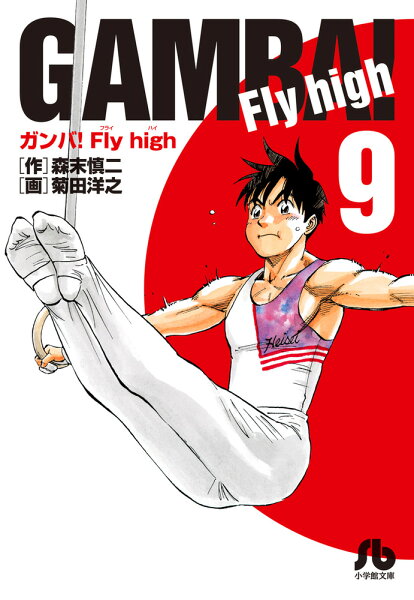
Gamba! Fly High
Gamba! Fly High follows Takeru Fujimaki, a boy with extraordinary natural talent who joins a gymnastics club and discovers that natural ability, without discipline and the right people around you, is not enough to reach the Olympics.
Sports / Drama
Captain
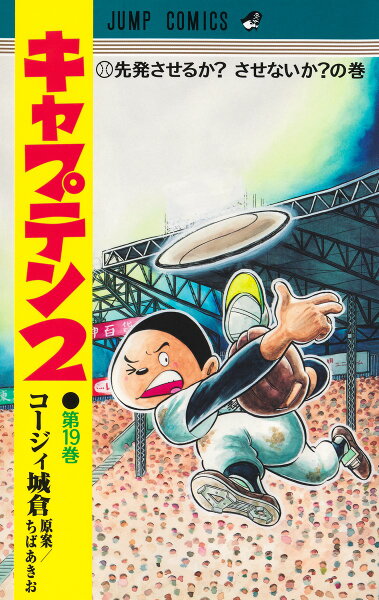
Captain follows four generations of captains at a weak downtown middle school baseball team — starting with Takao Taniguchi, a former bench player mistaken for a star, who trains himself half to death rather than admit the truth.
Sports / Drama
Dokaben
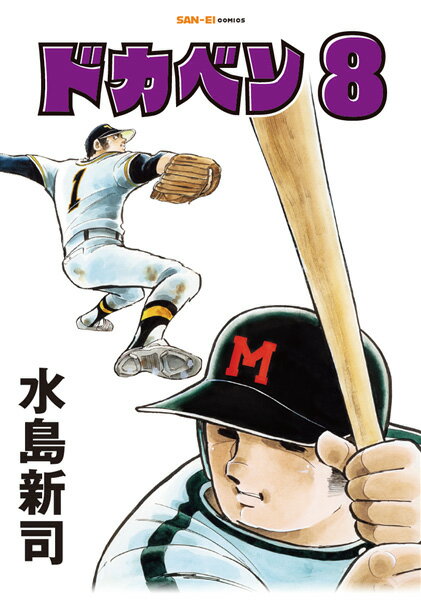
Dokaben follows Taro Yamada, a gentle giant who starts out in his middle school's judo club before becoming the catcher who carries Meikun High School to Koshien. Shinji Mizushima's classic ran in Weekly Shonen Champion from 1972 to 1981.

Sports / Drama
Ore wa Teppei
Ore wa Teppei follows Teppei, a wild boy raised in the mountains who comes to the city and discovers judo — a story about raw talent meeting structured discipline, and what happens when someone who has never been constrained learns to choose constraint.
Written by
Yu
Manga Enthusiast from Japan
I grew up in Japan and manga literally saved me during a tough time in elementary school. My English isn't perfect, but my love for manga is real — and I want to share it with you.
Disclosure: This post contains affiliate links. As an Amazon Associate, I earn from qualifying purchases at no extra cost to you.