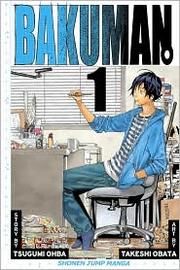
Bakuman Review: The Manga About Making Manga That Made Me Understand Every Series I'd Ever Read
by Tsugumi Ohba / Takeshi Obata
Read the first volume. If it doesn't hook you, put it down. It'll hook you.
Buy Bakuman on Amazon →*Affiliate link — I earn a small commission at no extra cost to you.
I grew up reading Weekly Shonen Jump series and never once thought about the people drawing them. To me a manga just existed, the way a tree exists. Then I read Bakuman, and the curtain came down. Suddenly every series I picked up had a deadline behind it, an editor arguing in a meeting room, a ranking number printed in the back of the magazine deciding whether it lived or died next week.
That sounds like it would ruin the magic. It did the opposite for me. Bakuman is made by Tsugumi Ohba and Takeshi Obata — the same duo behind Death Note — and instead of doing another dark thriller, they turned the camera on themselves and drew the most honest thing I've ever read about what it actually costs to chase a dream in this industry. I came for the Death Note pedigree. I stayed because it made me love manga more, not less.
Quick Take
- The most accurate and entertaining manga ever made about the manga industry — written and drawn by the Death Note team, with real Weekly Shonen Jump insider detail about serialization, editors, and the reader-survey rankings that decide a series' fate
- A double engine drives all 20 volumes: a professional dream (land a hit and an anime) and a romantic promise (marry Miho Azuki when she voices their heroine)
- 20 volumes, fully complete in English; rated T (Teen) — clean enough for teens, but the overwork and pressure are drawn seriously
Who Is This Manga For?
- Readers who want manga about creative work and the brutal industry that produces it
- Anyone curious how Weekly Shonen Jump actually runs — submissions, one-shots, serialization, the weekly reader poll, cancellations
- Death Note fans who want Ohba and Obata's chemistry in a completely different genre
- Readers who want a complete 20-volume story that pays off both the career and the romance
Story Overview
Moritaka Mashiro is a ninth-grader who can draw but has decided not to — his uncle was a Jump artist who literally worked himself to death chasing a hit, and Mashiro wants no part of that. His classmate Akito Takagi, the smartest kid in school, finds Mashiro's sketchbook and proposes they make manga together: Takagi writes, Mashiro draws.
Mashiro refuses until Takagi drags him to the house of his crush, Miho Azuki, who reveals she wants to be a voice actress. On the spot Mashiro makes an almost insane promise: he'll marry Miho when their manga becomes an anime and she voices the heroine — and, in true shy-teenager fashion, they agree not to meet face to face again until that day comes. Miho says yes. Now everyone is locked into a goal that should be impossible.
Working under the shared pen name Muto Ashirogi, the two grind through one-shots and finally land their first serialization, Detective Trap. Then comes the gut-punch: Mashiro collapses from overwork and is hospitalized, the series goes on hiatus, its ranking craters, and Detective Trap is cancelled. They claw back with the gag manga Run, Daihatsu Tanto!, realize it isn't working, and pivot again. The editor-in-chief challenges them; they produce Perfect Crime Party, which sells but proves unsuitable for an anime — and an anime is the whole point of the promise. Pushed by their rival Eiji Niizuma, they finally create Reversi, which replaces PCP and becomes the hit they've been chasing. Reversi lands its anime, Miho passes a public audition to voice the lead, and Mashiro proposes to her at the gate of her old house where the promise began.
Characters
Moritaka Mashiro — The artist. He starts out refusing to draw because the profession killed his uncle, and his whole arc is learning to risk the same fate on his own terms. His dedication is total and sometimes self-destructive — it's literally what puts him in a hospital bed mid-series. He carries the romantic promise like a contract he refuses to break.
Akito Takagi — The writer, and the one who lit the fuse by inviting Mashiro in. Brilliant with story structure and the politics of the industry, he understands how Jump's machine works and plays it. His arc runs parallel to Mashiro's romance: he chases and marries Kaya Miyoshi, Miho's blunt, karate-trained best friend who ends up cooking, cleaning, and helping in the studio while keeping the boys honest.
Miho Azuki — Not a passive prize. Her own dream — voice acting — is the other half of the engine, and she works toward it for years in parallel. Her most important moment isn't romantic glow; it's a decision (more below) where she chooses to support Mashiro's real wishes over the safe option.
Eiji Niizuma — The genius rival. He's almost alien in his single-minded love of drawing, and he functions as both the wall Ashirogi must climb and, repeatedly, their ally. At one point he announces that if he tops the survey for ten straight weeks he'll have a series of his choosing cancelled — and the response sets up some of the manga's best competitive arcs.
What I Love About It
The thing that rewired my brain is one specific arc: Mashiro's collapse and what happens around it. He's been sleeping less and less to keep Detective Trap alive, and he finally goes down — hospitalized, diagnosed with something serious enough to need surgery. This is the moment the manga stops being a fun underdog story and tells the truth: the uncle who "worked himself to death" wasn't backstory flavor, it was foreshadowing. Mashiro is walking the exact same road.
What makes the arc unforgettable is the response. Instead of the artist being saved by quitting, a group of fellow Jump mangaka — Niizuma, Fukuda, and others — declare they'll stop drawing unless Detective Trap is brought back when Mashiro recovers. That detail floored me. It reframes the whole industry: these people aren't just rivals fighting over ranking slots, they're a guild who recognize one of their own being ground down by the machine and put their own careers on the line for him. Editor-in-chief Sasaki backs off and lets the series return. It's the cleanest, most adult statement Bakuman makes — that the work is brutal, but the people in it are real, and they look out for each other.
Memorable Scene ⚠️ Spoiler Warning
The hospital scene during Mashiro's collapse is the one that stuck with me. Miho comes to visit — breaking, for a moment, the no-meeting rule that has defined their whole relationship — and instead of begging him to rest and protect himself, she does the harder thing. When everyone around him (Takagi, his editor Miura) assumes she'll be the voice telling him to stop, she supports him doing what he actually wants: to keep going. She talks about having liked him since they were children, about a small remembered day at the pool in middle school, and then backs his choice rather than her own fear.
It works because it pays off the strange shape of their promise. A normal romance would have her plead for his health. Bakuman has her honor the dream they both signed up for, even when it scares her. That single decision is what made the unusual "we won't even meet until it comes true" structure suddenly feel right to me instead of contrived — she's not waiting passively, she's choosing the same gamble he is.
Cultural Context
Weekly Shonen Jump's competitive culture is the real setting here, drawn with insider accuracy: the reader survey that ranks every series each week and quietly decides which ones get cancelled, the editor-artist relationship, the leap from one-shot to serialization, the tankobon collected-volume system. Reading Bakuman and then opening any other Jump series, you can suddenly see the production machinery behind the page. It's the closest a comic has come to teaching me the business it lives inside.
Art Style
Obata is at his most detailed here. The sequences of the actual craft — penciling, inking, screentone, the all-nighter deadline crunch — are drawn by someone who clearly knows the work from the inside. The large cast stays clean and distinct, and the manga-within-the-manga panels (Reversi, PCP) are rendered convincingly enough to feel like real series.
What English-Speaking Fans Say
Western readers commonly describe Bakuman as the manga that changed how they read every other manga — once you understand the editorial process and the survival pressure of the rankings, every series gains a new layer. The Ohba/Obata pairing gets singled out as a perfect match: a writer and artist essentially using their own creative partnership as the subject. The main recurring critique is that the romance can feel idealized and that Miho exists at a distance for much of the run.
Pros & Cons
Pros
- Genuine, specific insider knowledge of how the manga industry works
- The dual engine — career plus promise — sustains all 20 volumes
- Obata's art is technically extraordinary, especially the craft sequences
- A complete run that resolves both the professional and romantic goals
Cons
- The keep-our-distance romance structure feels idealized or contrived to some readers
- It's a manga about making manga — without interest in the creative process, it can read as inside baseball
- 20 volumes is a real commitment, and the middle arcs are dense with industry detail
- This won't work for everyone — if you read manga purely to escape the mechanics, Bakuman drags those mechanics into the spotlight on purpose.
Is Bakuman Worth Reading?
If you have any curiosity about how manga actually gets made — or you loved Death Note and want to see the same duo do something warmer and more personal — yes, absolutely. It's a complete, satisfying story with a craft education baked in. If you read manga only to escape into pure fantasy and never want to think about deadlines and rankings, this is the one series that will not let you do that.
Similar Manga
| Title | Its Approach | How Bakuman Differs |
|---|---|---|
| Blue Period | Art and ambition through the lens of a teen entering art school | Bakuman is about the commercial industry and serialization, not fine-art education |
| Death Note | Same Ohba/Obata duo, dark supernatural thriller | Bakuman uses their talents for a grounded, hopeful drama about their own profession |
| Gekkan Shoujo Nozaki-kun | Manga creation played for romantic comedy | Bakuman treats the same world as serious career drama with real stakes |
Where to Buy
Read the first volume. If it doesn't hook you, put it down. It'll hook you.
This post contains affiliate links. If you purchase through these links, I may earn a small commission at no extra cost to you. As an Amazon Associate, I earn from qualifying purchases.
*Affiliate link — I earn a small commission at no extra cost to you.
More Manga You Might Like
Action / Drama
Beck: Mongolian Chop Squad
Yu's review of Beck: Mongolian Chop Squad — Yukio 'Koyuki' Tanaka is a fourteen-year-old with nothing going for him until he rescues a strange dog and meets Ryusuke, a guitarist back from America with a bullet-scarred Les Paul named Lucille.
Drama
Ayako
Yu's review of Ayako — a few years after the war, the Tenge landlord family locks their youngest daughter Ayako in a storehouse to silence what she saw; she grows up underground for over twenty years; when she finally comes out, the country has moved on but the family's rot hasn't. Osamu Tezuka's darkest postwar thriller about the secrets Japan buried instead of facing.

Drama
Act-Age
Yu's review of Act-Age — Kei Yonagi is a teenager raising her siblings alone, with a dangerous gift: she doesn't play roles, she becomes them, mining her own grief to inhabit characters. Director Sumiji Kuroyama discovers her in an audition and pulls her into professional acting. Tatsuya Matsuki and Shiro Usazaki's acting manga reached 12 volumes in Japan before it was discontinued and scrubbed from every store in 2020 after the writer's arrest — which is why almost no one can legally read it anymore.
Drama
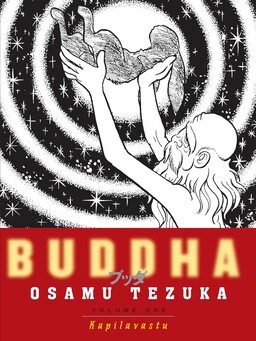
Buddha
Yu's review of Buddha — Osamu Tezuka's sweeping, fictionalized retelling of the life of Siddhartha Gautama, told through a huge cast of invented characters whose suffering makes the Buddha's questions feel like questions you actually have.
Drama
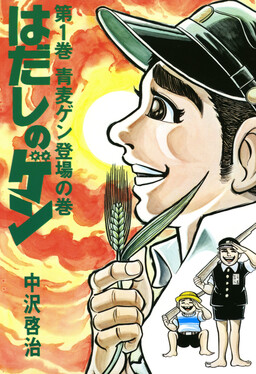
Barefoot Gen
Yu's review of Barefoot Gen (はだしのゲン) — Keiji Nakazawa's semi-autobiographical manga about a six-year-old boy who survives the Hiroshima atomic bombing on August 6, 1945, watches his father and two siblings burn under their collapsed house, and tries to keep what's left of his family alive. Drawn by a man who was actually there.
Slice of Life
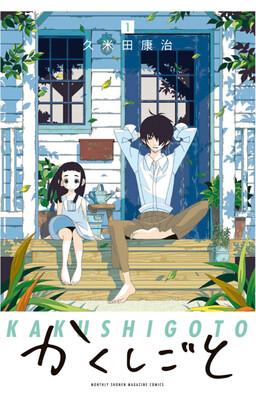
Kakushigoto
Yu's review of Kakushigoto by Koji Kumeta — an ecchi manga artist hides his job from his daughter Hime, and a daily gag comedy slowly reveals itself as a father-daughter love story across ten years.
Written by
Yu
Manga Enthusiast from Japan
I grew up in Japan and manga literally saved me during a tough time in elementary school. My English isn't perfect, but my love for manga is real — and I want to share it with you.
Disclosure: This post contains affiliate links. As an Amazon Associate, I earn from qualifying purchases at no extra cost to you.