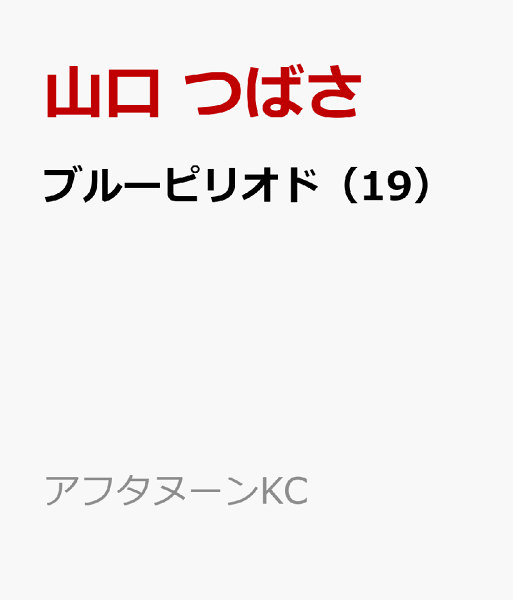
Blue Period Review: The Manga That Made Me Believe Effort Is Talent
by Tsubasa Yamaguchi
Read the first volume. If it doesn't hook you, put it down. It'll hook you.
Buy Blue Period on Amazon →*Affiliate link — I earn a small commission at no extra cost to you.
I was good at school the way Yatora Yaguchi is good at school. Not gifted — just obedient. I learned what teachers wanted and gave it back to them, and everyone called that "smart." But there was nothing inside it. I did the things because you were supposed to do the things. So when I read the first chapter of Blue Period and Yatora says he feels empty even though everyone thinks he has it figured out, I had to put the book down for a minute. I was not ready to be seen like that.
I am not an artist. I cannot draw. But this manga is not really about drawing. It is about the terror of finally wanting something, when you have spent your whole life being careful never to want anything you might fail at. I think that is why it wrecked me.
Quick Take
- A "perfect" empty high schooler sees one painting, feels something real for the first time, and decides to chase the single hardest art school in Japan with zero training
- Tsubasa Yamaguchi draws the actual paintings as real art with real technique, and renders the panic of art-exam prep school like someone who survived it
- Rated T (Teen) — emotional intensity and figure-drawing nudity, but nothing graphic or violent
Story Overview
Yatora Yaguchi has good grades, easy friends, and a hollow center. He does everything right and feels nothing. Then one evening he wanders into his school's art room and sees a painting by an upperclassman, Mori-senpai — and later, walking through Shibuya at dawn, he notices the city is blue. Not metaphor-blue. Actually blue in the morning light. He paints it. His first real painting is a blue Shibuya at sunrise, and it says something he could never say out loud about loving where he is from.
That is the turning point: he decides he wants to study oil painting at Tokyo University of the Arts — Geidai — which takes a tiny number of fine-arts students from thousands of applicants every year. He has no training. Everyone around him has been preparing since childhood.
The series follows him into art prep school (the yobikou grind), through brutal critiques, and into the multi-day Geidai entrance exams themselves. The current arcs (the manga is ongoing — 19 volumes in Japan, 17 in English so far) follow what happens after the exam, inside the school, where being talented enough to get in is suddenly not the same as knowing who you are.
Characters
Yatora Yaguchi — The capable, empty kid who finds, at seventeen, the first thing he has ever actually wanted. His arc is learning to paint what he genuinely sees instead of what he thinks "good art" is supposed to look like. He is also a relentless grinder — he treats art the way he treated exams, and the series keeps asking whether that's a strength or a way of hiding.
Ryuji Ayukawa (Yuka) — Yatora's friend from the art club, who wears women's clothing and fights with family who refuse to accept it. Yuka is a genuinely gifted artist crushed under pressure and expectation, and their thread is the series' most emotionally raw — the friend who is more naturally talented than Yatora but far less safe in the world.
Yotasuke Takahashi — A prep-school classmate, prickly and brutally honest, who tears into Yatora's work and Yatora himself. He's the rival who's effortlessly skilled and resentful of being told so, and his sharp critiques are part of what pushes Yatora to actually improve.
Mori-senpai & Saeki-sensei — Mori is the upperclassman whose painting starts everything, and who tells Yatora the line the whole series turns on: if what you see is blue, then let it be blue. Saeki is the art teacher who guides his first clumsy steps and refuses to let him quit on himself.
What I Love About It
There is a moment Mori-senpai says to Yatora, early on: if what you see is blue, then let it be blue — even if it's an apple, even if it's a rabbit. It sounds simple. It is not simple. The whole rest of the manga is Yatora trying to actually live that sentence, and failing, and trying again. Because painting what you genuinely see — instead of the version of "art" you think will get approval — turns out to require being honest about yourself, and Yatora has spent his entire life being the opposite of honest about himself.
What got me is that Yamaguchi doesn't let it be a one-time lesson. Yatora "gets it," and then keeps un-getting it, because under exam pressure he reaches for the safe answer, the technically-correct answer, the answer that pleases the judges. That is exactly how I have lived. I gave teachers what they wanted my whole life. Watching Yatora claw toward making something true instead of making something approved — and watching how much it costs him — is the closest a manga has ever come to describing the specific cowardice I recognize in myself. It is not a comfortable read. It is an honest one.
Memorable Scene ⚠️ Spoiler Warning
The first day of the Geidai exam, the prompt is a self-portrait. Yatora reads it not as "draw your face" but as "show me how you see yourself right now." Mid-exam, another examinee knocks over his easel and his hand mirror shatters. For a second it's a disaster — his reference is broken into pieces.
And then he looks at the cracked mirror and sees himself reflected in fragments, multiple angles at once, and realizes there isn't one single "him." There are many sides, all true at the same time. He paints that. The accident becomes the entire concept of the piece. Watching a kid turn a broken mirror into the most honest thing he has ever made — under a clock, with everything riding on it — is the moment the manga earns every chapter that came before it. I have reread that exam stretch more times than I want to admit.
Pros & Cons
Pros
- The paintings are drawn as genuine art with real technique — rare and remarkable for a manga about visual art
- Yatora's psychology — capable, empty, terrified of wanting — is one of the most honest character portraits in modern manga
- Yuka and Yotasuke are real people with real wounds, not sidekicks
- The Geidai exam arc is one of the great competitive sequences in any manga
Cons
- The post-exam art-school arcs shift tone and pace from the laser-focused exam grind — some readers love it, some miss the old urgency
- A lot of the drama is internal and technical; if you need plot momentum and action beats, the slow, talky introspection might lose you. That's either a flaw or the entire point, depending on who you are.
Is Blue Period Worth Reading?
Yes — especially if you have ever discovered something late and had to decide whether to risk failing at it. It's the manga I hand to people who say they "don't read manga," because it's accessible, emotionally honest, and about something universal: wanting something badly and not knowing if you're good enough. The art is real, the feelings are real, and it earns its tears.
Where to Buy
Read the first volume. If it doesn't hook you, put it down. It'll hook you.
This post contains affiliate links. If you purchase through these links, I may earn a small commission at no extra cost to you. As an Amazon Associate, I earn from qualifying purchases.
*Affiliate link — I earn a small commission at no extra cost to you.
More Manga You Might Like

Slice of Life
Super Cub
A review of Super Cub, the manga about a girl with nothing in her life who discovers a Honda Super Cub motorcycle and, through it, discovers connection.
Slice of Life / Romance
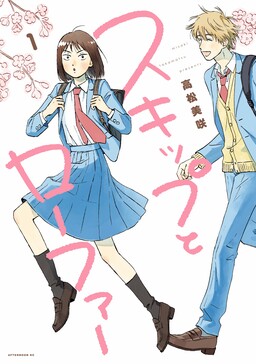
Skip and Loafer
A comprehensive review of Skip and Loafer — plot, characters, art style, and whether it's worth reading.

Slice of Life / Comedy
Yuru Yuri
Yu's review of Yuru Yuri — Akari Akaza, Kyoko Toshinou, Yui Funami, and Chinatsu Yoshida take over their school's former tea ceremony room after the Tea Club disbanded, form the Amusement Club, and spend their time doing very little of anything.
Slice of Life / Comedy
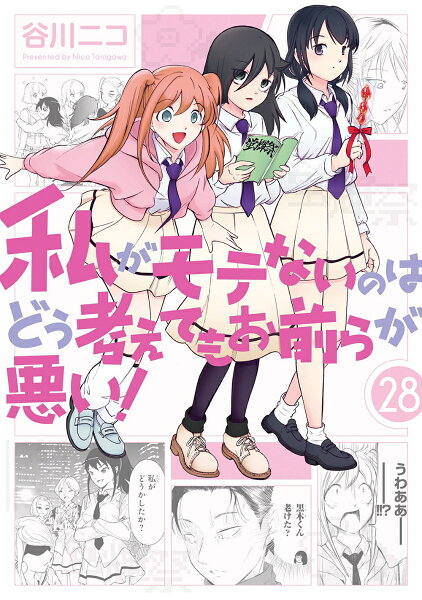
WataMote: No Matter How I Look at It, It's You Guys' Fault I'm Not Popular!
Yu's review of WataMote — Tomoko Kuroki is convinced she will be popular in high school because she has extensive experience with otome games; she is not popular; every attempt to change this makes it worse; the manga is simultaneously the funniest and most painful depiction of teenage social isolation in manga.

Slice of Life / Comedy
Slow Start
Yu's review of Slow Start — Hana Ichinose started high school a year late due to illness, making her a year older than her classmates; the series follows her trying to fit in with her new friends while carrying the secret that she is different, in Tokumi Yuiko's characteristic warm and gentle 4-koma style.
Slice of Life / Comedy
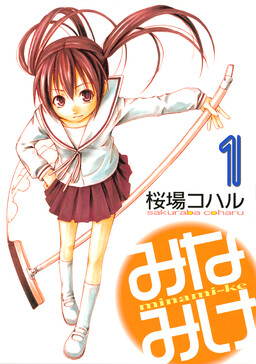
Minami-ke
Yu's review of Minami-ke — three sisters at different schools (eldest Haruka in high school, middle Kana in middle school, youngest Chiaki in elementary) share an apartment and their daily life generates endless comedy from their completely different personalities and the rotating cast of friends, admirers, and chaos that follows them home.
Written by
Yu
Manga Enthusiast from Japan
I grew up in Japan and manga literally saved me during a tough time in elementary school. My English isn't perfect, but my love for manga is real — and I want to share it with you.
Disclosure: This post contains affiliate links. As an Amazon Associate, I earn from qualifying purchases at no extra cost to you.