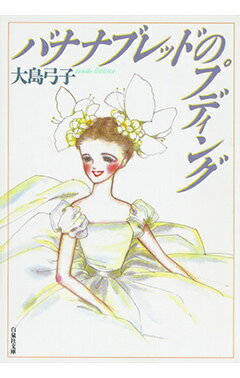
Banana Bread Pudding Review: The Girl Who Was Afraid of the Bathroom
by Yumiko Oshima
Read the first volume. If it doesn't hook you, put it down. It'll hook you.
Buy Banana Bread Pudding on Amazon →*Affiliate link — I earn a small commission at no extra cost to you.
I read a lot of loud manga when I was a kid. Big fights, big speeches, heroes who never gave up. That's the stuff that pulled me out of the worst years. But somewhere later I found the quiet ones, and Banana Bread Pudding is one I keep coming back to. It's short — one volume, drawn by Yumiko Oshima back in the late 1970s — and it doesn't shout at you at all. It just sits next to you, like someone who understands that you're scared and isn't going to make fun of you for it.
I was a kid who was scared of stuff I couldn't explain. So a story about a girl who can't sleep because she's afraid of what's in the dark hit me somewhere I don't talk about much. I want to tell you about it honestly.
Quick Take
- A one-volume shojo classic from a master of the Year 24 generation, quiet and strange in the best way
- About anxiety, growing up, and pretending to be okay — written with almost no melodrama
- Age rating: T (Teen) — heavy themes (mental fragility, domestic violence) but nothing graphically shown
Story Overview
The main character is Ira (三浦衣良), a high-schooler with what the story frames as a childlike, almost arrested way of being in the world. She's emotionally fragile, and the thing tipping her over the edge is her older sister Sara getting married. Sara was the one who stood outside the bathroom door at night while Ira used it, because Ira is terrified of being alone in the dark — she's convinced something will get her. With Sara leaving, that safety is gone.
The turning point is Ira's strange solution. Her childhood friend Saeko (御茶屋さえ子) thinks Ira just needs a boyfriend. But Ira's idea of an ideal partner is oddly specific: a gay man who feels a quiet guilt toward the world, someone who wouldn't really want her and so couldn't abandon her the way she fears. So Saeko introduces her to her own brother, Touge (御茶屋峠) — a college student and soccer coach who is not actually gay — and the two enter a fake marriage. Ira moves in.
From there it spirals. Ira becomes fixated on a professor, Niigata, who actually is gay, and ends up entangled in his orbit even after learning his partner is violent. It climaxes in a real crisis. The ending pulls her back to Touge, who confesses he loves her, and they begin again — but Oshima refuses to wrap it up in a sugary bow. Sara's letter closes the book, and the "wonderful thing waiting for you" Ira is promised is left deliberately undefined.
Characters
Ira (三浦衣良) — The center of everything. What I love is that Oshima never treats her fragility as cute or as a problem to be cured by romance. Her arc isn't "girl gets fixed." It's a girl slowly, messily learning that the dark won't kill her, and that needing people isn't the same as being a burden.
Touge (御茶屋峠) — He agrees to a fake marriage with a girl who explicitly wanted someone who wouldn't desire her, and then has to sit with the fact that he does. His arc is the patience of staying when leaving would be easier.
Saeko (御茶屋さえ子) — Ira's friend and the one who sets the whole scheme in motion by offering up her brother. She carries her own unspoken feelings on the side, which keeps her from being just a plot device.
Niigata — The professor Ira drifts toward. He represents the "guilty, gentle outsider" she idealizes, but the reality around him — including a violent partner — is where her fantasy of a safe, undemanding love collides with how people actually hurt each other.
What I Love About It
The thing I can't shake is how Oshima draws fear. Ira's terror of the bathroom at night isn't played for laughs and it isn't explained away. It's just true for her — a real psychic weather she lives inside. When I was small I had fears like that, the kind adults tell you are silly, and reading a manga that took a girl's irrational nighttime dread completely seriously did something to me. It said: this counts. Your fear was real even if the monster wasn't.
And the way it's drawn matters. Oshima's pages have this airy, soft quality where the emotional state leaks into the panels themselves. A dream-creature shows up in the night as Ira's mind frays — beautiful and deadly at the same time — and you feel her unraveling without a single line of expository dialogue telling you "Ira is getting worse." That restraint is the whole craft of this manga. It trusts you to sit in the discomfort instead of narrating it for you. I've read flashier psychological manga, but few that respect the reader this much.
Memorable Scene ⚠️ Spoiler Warning
The moment that stays with me is the knife. Tangled up in Niigata's world, Ira stabs him and becomes convinced she's killed him. She flees — runs straight back to Touge's place, the fake husband, the one safe door. It's the bathroom fear made literal and adult: the dark finally has a face, she thinks she's done something unforgivable, and the only instinct left is to run home to the person who waits outside the door.
What makes it land is the contrast with everything before it. For most of the book the dread is internal, dreamlike, drawn in those soft Oshima lines. Then suddenly it's a blade and blood and a girl who thinks she's a murderer. And the answer to that terror isn't punishment — it's Touge taking her in and, eventually, telling her he loves her. The horror and the tenderness are stacked right on top of each other. That's the scene I think about when people say old shojo is just sweet romance. This one isn't.
Pros & Cons
Pros:
- A genuine classic from one of the great shojo artists, complete in a single volume
- Takes anxiety and fragility seriously instead of curing them with romance
- Soft, expressive 1970s art where the mood lives in the linework
Cons:
- No official English release, so you're reading Japanese or fan translations
- The plot's logic (parents accepting it all, the abusive entanglements) can feel unreal
- It's slow, internal, and deliberately unresolved — if you want a clean, loud, plotted story, this quiet old book won't work for you
Is Banana Bread Pudding Worth Reading?
Yes — if you're open to something quiet and strange. It's a short, serious-minded shojo classic that treats a fragile girl's fear with real care, and its softness is the point, not a flaw. If you only want fast plot and tidy endings, skip it. If you've ever been scared of the dark and wished someone took it seriously, this one is for you.
Where to Buy
No English release yet. That just means you find it before everyone else does.
Find the Japanese edition on Amazon.co.jp →
This post contains affiliate links. If you purchase through these links, I may earn a small commission at no extra cost to you. As an Amazon Associate, I earn from qualifying purchases.
*Affiliate link — I earn a small commission at no extra cost to you.
More Manga You Might Like
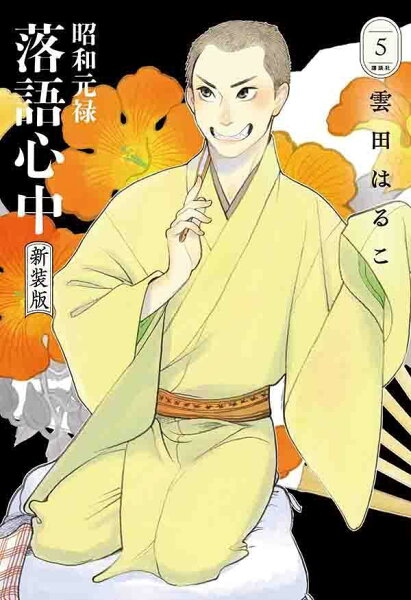
Slice of Life / Historical Drama
Shouwa Genroku Rakugo Shinjuu
Shouwa Genroku Rakugo Shinjuu follows the world of rakugo — traditional Japanese comic storytelling — through two performers across two generations: the transcendent and self-destructive Yakumo, and the student Yotaro who inherits what Yakumo cannot save.
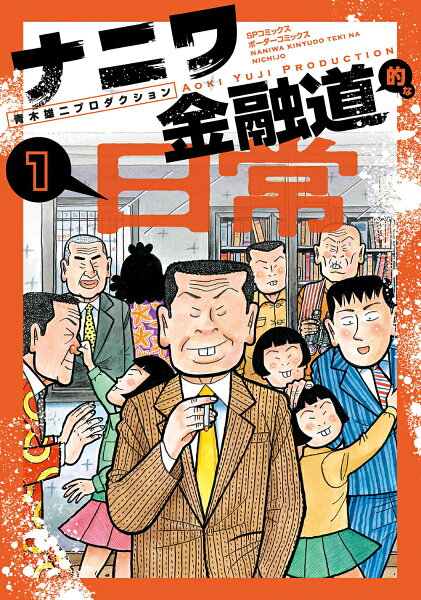
Slice of Life / Drama
Naniwa Kinyuudo
Naniwa Kinyuudo follows new employee Ginji Mita at a small-loan finance company in Osaka — a manga that uses the world of moneylending and debt collection to create one of manga's most honest portraits of Japanese economic life.
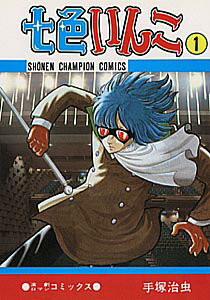
Slice of Life / Drama
Nanairo Inko
Nanairo Inko (Rainbow Parakeet) follows a master of theatrical impersonation who steals identities to perform stage roles others have abandoned — Osamu Tezuka's late-career meditation on performance, identity, and the moral economy of art.
Slice of Life
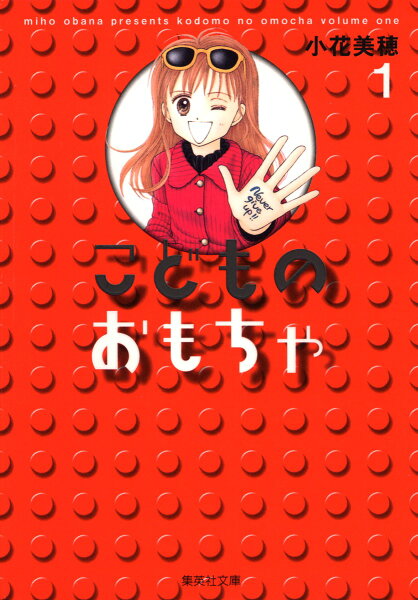
Kodocha
A review of Kodocha — the 1990s Ribon classic about hyperactive child actress Sana Kurata, and how her noise becomes the only thing that can reach a boy his own family has given up on.
Food / Drama
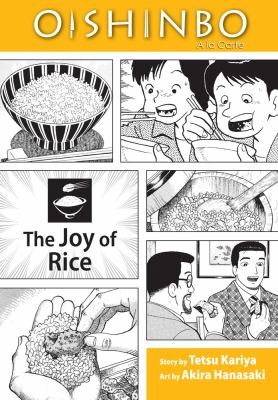
Oishinbo: A la Carte
A review of Oishinbo: A la Carte, the legendary food manga that has documented Japanese culinary culture since 1983 through the story of creating the Ultimate Menu.
Slice of Life / Drama
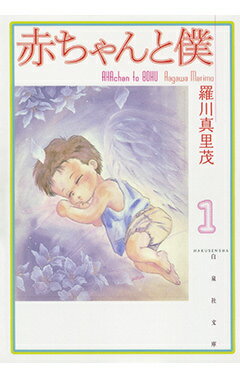
Baby and Me
Baby and Me follows Takuya Enoki, a grade-schooler who becomes a mother and a brother at the same time, raising his toddler brother Minoru after their mother dies and their father works to keep the family going.
Written by
Yu
Manga Enthusiast from Japan
I grew up in Japan and manga literally saved me during a tough time in elementary school. My English isn't perfect, but my love for manga is real — and I want to share it with you.
Disclosure: This post contains affiliate links. As an Amazon Associate, I earn from qualifying purchases at no extra cost to you.