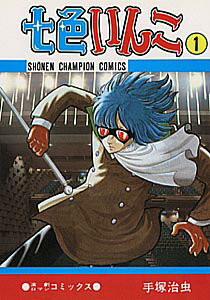
Nanairo Inko Review: The Tezuka Theater Manga That Said Identity Was a Performance Worth Practicing
by Osamu Tezuka
Read the first volume. If it doesn't hook you, put it down. It'll hook you.
Buy Nanairo Inko on Amazon →*Affiliate link — I earn a small commission at no extra cost to you.
What is acting? Putting on a face that isn't yours. What is identity? Something that might survive having other faces put on top.
Quick Take
- Osamu Tezuka's 7-volume Weekly Shonen Champion theater manga — the Rainbow Parakeet who impersonates actors to perform abandoned roles
- A late-career Tezuka work that explores performance, identity, and the moral economy of art
- Compact, intelligent, and characteristic Tezuka in mature form
Who Is This Manga For?
- Tezuka readers who want his late-career work beyond the famous titles
- Theater enthusiasts who want manga that engages with performance seriously
- Identity-and-performance fiction fans who appreciate when art examines its own conditions
- Anyone interested in the moral question of who owns a role
Content Warnings & Age Rating
Age Rating: T (Teen) Content Warnings: Moral complexity around theft and identity, occasional dramatic intensity. Generally calm.
Suitable for most readers.
Yu's Rating
| Category | Score |
|---|---|
| Story Depth | ★★★★☆ |
| Art Style | ★★★★☆ |
| Character Development | ★★★★☆ |
| Accessibility for Non-Japanese Readers | ★★★☆☆ |
| Reread Value | ★★★★☆ |
Story Overview
The Rainbow Parakeet is a master of impersonation — physical, vocal, behavioral. He uses this skill in an unusual profession: he attends theatrical productions where the lead actor has, for various reasons, abandoned the role, and steps in to perform the role with such fidelity that audiences don't realize the substitution. He then collects payment, sometimes from grateful theaters, sometimes through more complicated mechanisms.
The series follows his various jobs, each a different play, a different actor whose role he is filling, a different ethical situation. Tezuka uses the structure to examine what acting actually is, what identity means when performance can fully replace it, and what the moral economy of artistic substitution looks like. The Parakeet is a thief in some sense and an artist in another, and the series doesn't resolve the tension cleanly.
The 7-volume length allows the format to develop without exhausting. Each story is essentially self-contained but the cumulative effect is a serious meditation on performance and identity that resolves into something philosophical rather than dramatic.
Characters
The Rainbow Parakeet: A protagonist whose moral position is deliberately ambiguous — Tezuka doesn't moralize but doesn't dismiss the stakes either.
The actors he replaces: Each rendered with enough specificity to make the substitution matter — these aren't anonymous figures.
The theater contexts: Different productions, different plays, different theatrical traditions.
Art Style
Tezuka's late-career art has the refinement that decades of practice produced — clean lines, expressive faces, theatrical settings rendered with respect. The Parakeet's impersonations are visualized with the visual register that the premise requires.
Cultural Context
Nanairo Inko ran in Weekly Shonen Champion from 1981 to 1983. The series sits in Tezuka's late catalog — past Phoenix's main run, contemporaneous with Adolf, before his final works. The theatrical subject reflects Tezuka's own engagement with theater (Takarazuka in his youth, theater visits throughout his life) as a serious art form.
The Japanese theatrical tradition the manga references includes both Western (translated Shakespeare, modern theater) and Japanese (kabuki, shingeki) traditions, with the Parakeet's impersonations spanning the range.
What I Love About It
I love the moral ambiguity.
Tezuka could have moralized — the Parakeet is a thief and theater is sacred, lecture lecture lecture. He doesn't. The Parakeet's substitutions are sometimes clear gains for everyone (the show goes on, the audience gets the experience they paid for), sometimes morally compromised (legitimate actors deserve their work). Tezuka holds both possibilities open. The refusal to resolve is the work's intellectual integrity.
What English-Speaking Fans Say
Limited international awareness compared to Tezuka's famous works. Among Tezuka completists familiar with the catalog, regarded as a sharp late-career work that demonstrates the master's continuing growth.
Memorable Scene ⚠️ Spoiler Warning
A late-volume substitution where the Parakeet's performance, while clearly impersonation, also serves the play in ways that reveal something about acting that legitimate performance might not have shown. The scene captures the moral question the series sits with.
Similar Manga
| Title | Its Approach | How Nanairo Inko Differs |
|---|---|---|
| Glass Mask | Theater-acting drama with prodigy protagonist | Glass Mask is earnest about acting; Nanairo Inko is morally complex |
| Black Jack | Tezuka's medical-genius episodic series | Same episodic structure with morally-ambiguous protagonist |
| MW | Tezuka's adult moral-thriller | Different genre but shared late-Tezuka willingness to sit with ambiguity |
Reading Order / Where to Start
Volume 1. The episodic format allows entry points but the foundation rewards.
Official English Translation Status
Nanairo Inko has no official English translation.
Pros & Cons
Pros
- Late-career Tezuka with mature craft
- Moral ambiguity treated with intelligence
- Compact at 7 volumes
- Theater subject distinctive within Tezuka's catalog
Cons
- No English translation
- Theater context enhances appreciation
- Episodic structure limits sustained development
- Lesser-known compared to Tezuka's famous works
Is Nanairo Inko Worth Reading?
For Tezuka readers exploring his deep catalog and theater enthusiasts, yes — this is a satisfying compact work that demonstrates his late-career mastery. For readers seeking the famous Tezuka, this is supplementary rather than essential. As intelligent late-Tezuka, it earns engagement.
Format Comparison
| Format | Notes |
|---|---|
| Physical | Japanese editions available |
| Digital | Available in Japanese |
| Omnibus | Collected in Tezuka complete editions |
Where to Buy
No English release yet. That just means you find it before everyone else does.
*Affiliate link — I earn a small commission at no extra cost to you.
More Manga You Might Like
Slice of Life / Drama
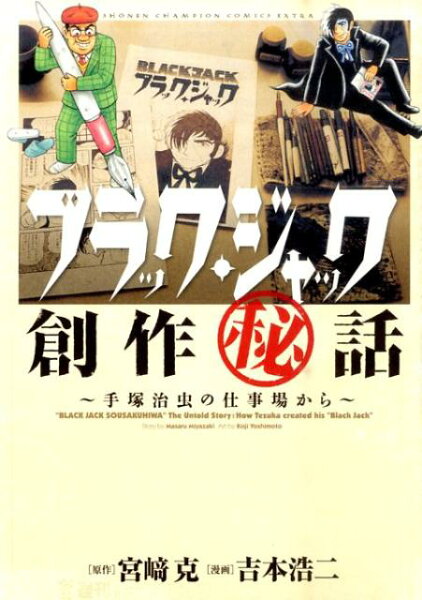
Black Jack Sousaku Hiwa
Black Jack Sousaku Hiwa is a documentary manga about how Osamu Tezuka created Black Jack — told through the editors and assistants who worked beside him, capturing both the genius and the human cost of his impossible work ethic.
Slice of Life / Drama
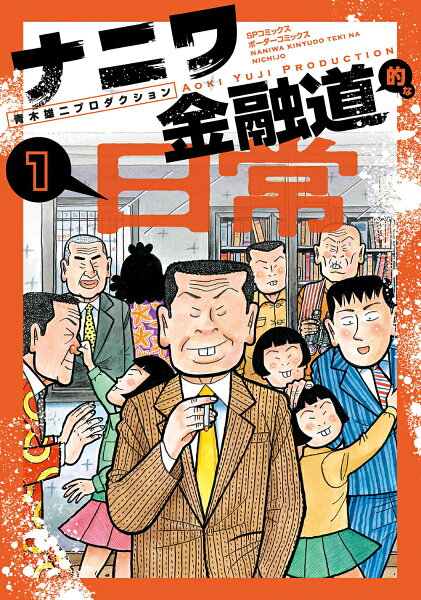
Naniwa Kinyuudo
Naniwa Kinyuudo follows new employee Ginji Mita at a small-loan finance company in Osaka — a manga that uses the world of moneylending and debt collection to create one of manga's most honest portraits of Japanese economic life.
Drama / Thriller
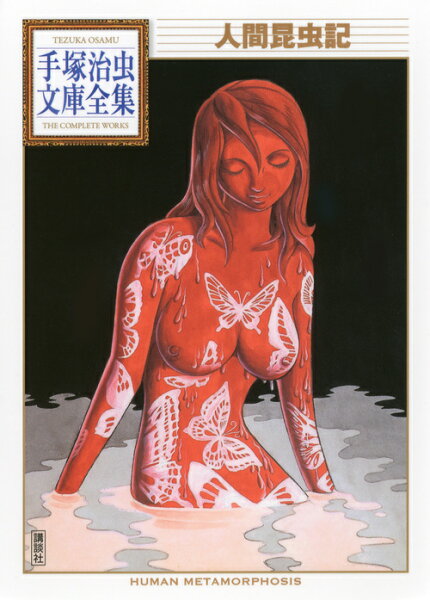
Ningen Konchuki
Ningen Konchuki (The Book of Human Insects) follows Toshiko Tomura, a beautiful and ruthless woman who absorbs the talents of creative people around her — becoming a novelist, then a designer, then an architect — by living with them, learning from them, and discarding them when she's taken everything they have.
Slice of Life / Historical Drama
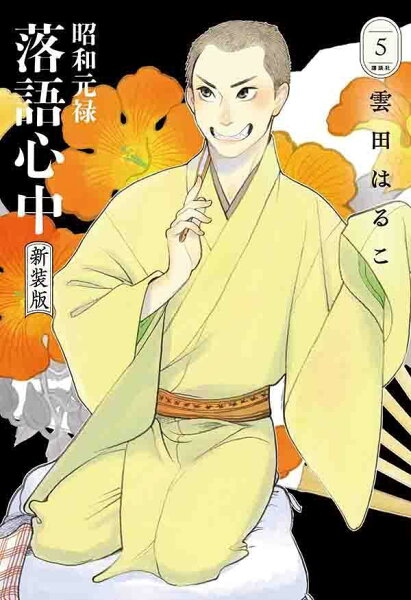
Shouwa Genroku Rakugo Shinjuu
Shouwa Genroku Rakugo Shinjuu follows the world of rakugo — traditional Japanese comic storytelling — through two performers across two generations: the transcendent and self-destructive Yakumo, and the student Yotaro who inherits what Yakumo cannot save.
Slice of Life
Nasu
Nasu collects Iou Kuroda's short manga stories — quiet, precise vignettes centered on food, travel, and the moments when ordinary life opens briefly into something larger, then closes again.
Slice of Life / Comedy
Tensai Bakabon
Tensai Bakabon is Fujio Akatsuka's landmark gag manga about the Bakabon family — a household where the father's complete detachment from logic is presented as wisdom, and the world's attempts to impose reason are the actual problem.
Written by
Yu
Manga Enthusiast from Japan
I grew up in Japan and manga literally saved me during a tough time in elementary school. My English isn't perfect, but my love for manga is real — and I want to share it with you.