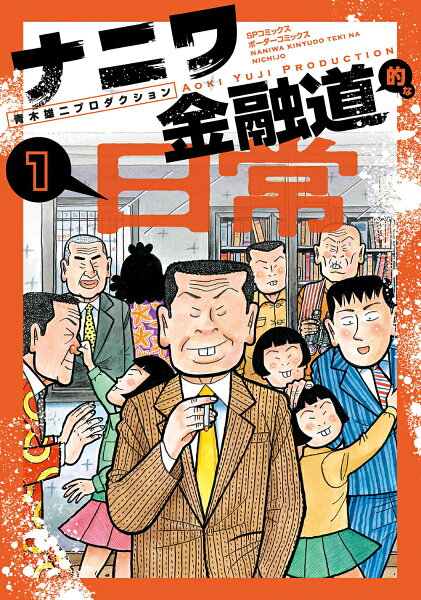
Naniwa Kinyuudo Review: The Finance Manga That Made Loan Sharks the Heroes
by Hiroshi Saito
Read the first volume. If it doesn't hook you, put it down. It'll hook you.
Buy Naniwa Kinyuudo on Amazon →*Affiliate link — I earn a small commission at no extra cost to you.
What if the moneylender was the one who understood how the system actually worked — and the borrowers were the ones who didn't?
Quick Take
- Hiroshi Saito's social realist manga — set in the world of small-loan finance companies in Osaka
- Mita's education in the moneylending business is also an education in how Japanese capitalism functions at its margins
- Won the Grand Prix at the Japan Cartoonists Association Award — recognized as a work of genuine social significance
Who Is This Manga For?
- Readers interested in social realist manga that uses an unusual setting to examine ordinary life
- Anyone curious about how financial systems work at the level ordinary people actually experience them
- Fans of seinen manga that prioritizes authenticity over entertainment
- Readers of Golden Kamuy or Oishinbo who want unusual setting manga done with seriousness
Content Warnings & Age Rating
Age Rating: M (Mature) Content Warnings: Themes of financial exploitation and debt collection. Mature social content depicting the realities of small-loan finance. Not appropriate for younger readers.
Mature content throughout.
Yu's Rating
| Category | Score |
|---|---|
| Story Depth | ★★★★★ |
| Art Style | ★★★★☆ |
| Character Development | ★★★★★ |
| Accessibility for Non-Japanese Readers | ★★★☆☆ |
| Reread Value | ★★★★★ |
Story Overview
Ginji Mita graduates from high school and gets his first job at Kinyu-do, a small moneylending operation in Osaka. His boss, Minami, is a veteran of the trade — a man who understands money, people, and the relationship between them with extraordinary clarity.
The series follows Mita's education: how loans work, how interest compounds, how collateral functions, how people behave when money is involved, and what the difference is between the letter of a financial agreement and its practical meaning.
Each arc involves a borrower and a situation — people who borrowed for reasons that made sense to them and are now in circumstances they didn't anticipate. The manga does not present moneylenders as villains or borrowers as victims: it presents the financial system as a set of rules that everyone is navigating with incomplete information and imperfect judgment.
What Saito understood is that money is not abstract — it is the material expression of what people value and how they interact. Following money through the finance system of 1990s Osaka reveals the human landscape with unusual precision.
Characters
Ginji Mita: A protagonist who starts naive and becomes experienced — his education is the reader's education. His development is not moral improvement but comprehension: he comes to understand what is actually happening around him.
Minami: One of manga's great mentor figures — a man whose expertise is human nature as expressed through financial behavior. His explanations of how debt works are consistently illuminating.
Art Style
Saito's art is deliberately plain — functional rather than stylish. The visual approach matches the subject matter: this is a manga about ordinary people in ordinary circumstances, and the art doesn't aestheticize anything. The Osaka settings are depicted with documentary realism.
Cultural Context
Naniwa Kinyuudo ran in Big Comic Spirits from 1990 to 1996, during the collapse of Japan's bubble economy. The timing is significant — the manga depicts a financial world that was undergoing enormous stress, and the debt situations it portrays reflected real conditions in Japanese society at the time.
The series won multiple awards and was recognized by the Japan Cartoonists Association for its social significance. It remains one of the few manga to engage seriously with financial systems as a subject rather than a backdrop.
What I Love About It
I love that the series doesn't assign blame.
It would be easy to make the moneylenders villains, or to make the borrowers sympathetic victims of an exploitative system. Saito refuses both framings. The borrowers made choices. The lenders are operating within legal parameters. The system is what it is. Everyone is doing their best with their understanding of the situation — and that understanding is always partial.
This is the most honest thing you can say about how money actually works.
What English-Speaking Fans Say
Not known in English-speaking markets. Among readers of Japanese social realist manga, Naniwa Kinyuudo is considered one of the defining examples of the form — a manga that used an unusual professional setting to examine Japanese society in ways that conventional fiction couldn't reach.
Memorable Scene ⚠️ Spoiler Warning
A scene where Mita follows a borrower through their daily life — understanding how every decision that person makes is constrained by the debt they are carrying — and realizes for the first time what it actually means to owe money in the specific way this person owes it. The scene is not dramatic; it's quietly devastating.
Similar Manga
- The Way of the Househusband: Lighter treatment of unconventional work — different tone
- Oishinbo: Similar social-realist approach to a specialized professional world
- Sanctuary: Same era, also interested in how systems work from the inside
Reading Order / Where to Start
Volume 1. The series builds Mita's knowledge progressively and should be read in order.
Official English Translation Status
Naniwa Kinyuudo has no official English translation.
Pros & Cons
Pros
- One of manga's most serious engagements with economic reality
- Genuinely educational about how finance works
- Complete at 19 volumes
- Awarded for social significance — the recognition is deserved
Cons
- No English translation
- Requires some context for 1990s Japanese financial conditions
- The deliberate plainness may frustrate readers wanting more visual engagement
Format Comparison
| Format | Notes |
|---|---|
| Physical | Japanese editions available |
| Digital | Available in Japanese |
| Omnibus | Collected editions available |
Where to Buy
No English release yet. That just means you find it before everyone else does.
*Affiliate link — I earn a small commission at no extra cost to you.
More Manga You Might Like
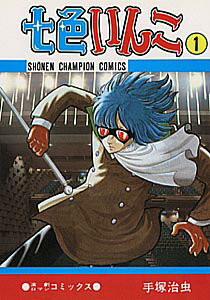
Slice of Life / Drama
Nanairo Inko
Nanairo Inko (Rainbow Parakeet) follows a master of theatrical impersonation who steals identities to perform stage roles others have abandoned — Osamu Tezuka's late-career meditation on performance, identity, and the moral economy of art.
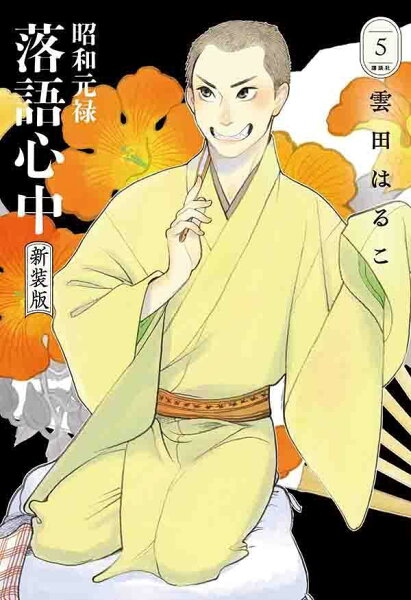
Slice of Life / Historical Drama
Shouwa Genroku Rakugo Shinjuu
Shouwa Genroku Rakugo Shinjuu follows the world of rakugo — traditional Japanese comic storytelling — through two performers across two generations: the transcendent and self-destructive Yakumo, and the student Yotaro who inherits what Yakumo cannot save.
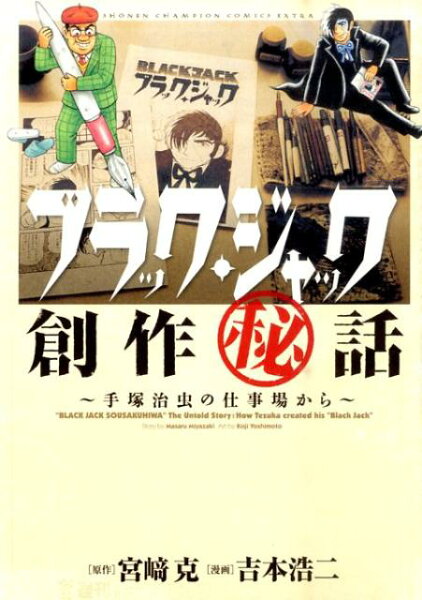
Slice of Life / Drama
Black Jack Sousaku Hiwa
Black Jack Sousaku Hiwa is a documentary manga about how Osamu Tezuka created Black Jack — told through the editors and assistants who worked beside him, capturing both the genius and the human cost of his impossible work ethic.
Slice of Life
Nasu
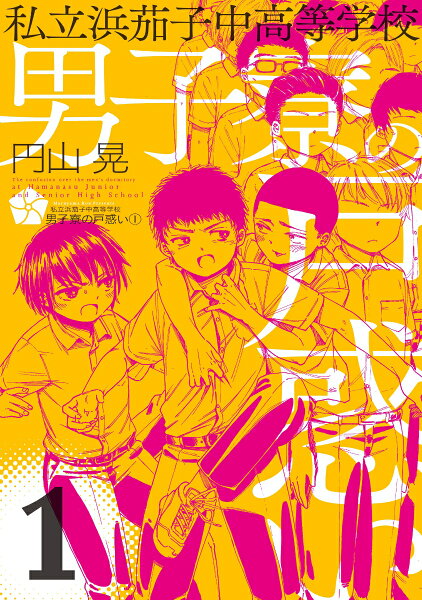
Nasu collects Iou Kuroda's short manga stories — quiet, precise vignettes centered on food, travel, and the moments when ordinary life opens briefly into something larger, then closes again.
Slice of Life / Comedy
Tensai Bakabon
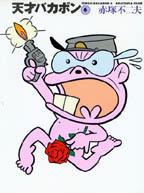
Tensai Bakabon is Fujio Akatsuka's landmark gag manga about the Bakabon family — a household where the father's complete detachment from logic is presented as wisdom, and the world's attempts to impose reason are the actual problem.

Drama / Thriller
Ningen Konchuki
Ningen Konchuki (The Book of Human Insects) follows Toshiko Tomura, a beautiful and ruthless woman who absorbs the talents of creative people around her — becoming a novelist, then a designer, then an architect — by living with them, learning from them, and discarding them when she's taken everything they have.
Written by
Yu
Manga Enthusiast from Japan
I grew up in Japan and manga literally saved me during a tough time in elementary school. My English isn't perfect, but my love for manga is real — and I want to share it with you.