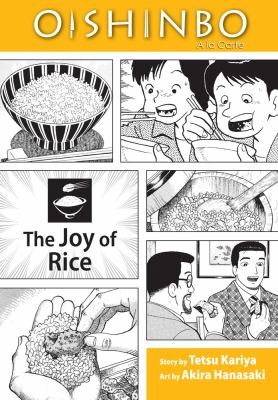
Oishinbo: A la Carte Review — The Manga That Taught Japan About Its Own Culinary Heritage
by Tetsu Kariya (story), Akira Hanasaki (art)
Read the first volume. If it doesn't hook you, put it down. It'll hook you.
Buy Oishinbo: A la Carte on Amazon →*Affiliate link — I earn a small commission at no extra cost to you.
Quick Take
- A genuine cultural document — reading it is like eating a meal prepared with historical consciousness.
- The father-son rivalry structure gives the culinary arguments emotional stakes.
- The English release (7 thematic volumes) is an excellent curated entry point.
Who Is This Manga For?
- Fans of Japanese food culture enthusiasts who want detailed historical and cultural context
- Readers who enjoy manga readers who enjoy episodic stories with educational value
- Anyone interested in culinary professionals interested in how Japanese cuisine documents itself
- People who like readers of long-form josei/seinei that rewards patient reading
Content Warnings & Age Rating
Age Rating: All Ages Content Warnings:
Safe for most readers.
Yu's Rating
| Category | Score |
|---|---|
| Story Depth | ★★★★☆ |
| Art Style | ★★★★☆ |
| Character Development | ★★★★★ |
| Accessibility for Non-Japanese Readers | ★★★★☆ |
| Reread Value | ★★★★☆ |
Overall: 4/5 — A cultural institution — imperfect but irreplaceable in Japanese culinary literature.
Story Overview
Shiro Yamaoka is a journalist at Tozai News tasked with creating the "Ultimate Menu" — a collection of the finest Japanese dishes. His rival: his own father, legendary gourmet Yuzan Kaibara, who is creating the "Supreme Menu" for a competing paper. Each chapter explores a different food — its history, proper preparation, cultural significance, and the human drama around its making and consumption.
Characters
The cast of Oishinbo: A la Carte is built around contrasting personalities that force each other to grow. The main character carries a mix of strength and vulnerability — enough to earn sympathy without feeling passive. Supporting characters each serve a distinct emotional function: some mirror the protagonist's flaws, others challenge their assumptions, and a few provide the warmth that makes the harder moments bearable.
Art Style
Tetsu Kariya (story), Akira Hanasaki (art)'s visual style suits the story it tells. Emotional moments land because facial expressions are drawn with real attention to subtlety — you rarely need dialogue to understand what a character is feeling. Background detail varies by scene, pulling back in quiet moments and getting tight and detailed when the stakes rise.
Cultural Context
Oishinbo: A la Carte comes from Japanese culinary nationalism and the post-war effort to document and preserve traditional food culture amid rapid Westernization. English readers will find most of this translates naturally; a few cultural notes in good translations help bridge any remaining gaps.
What I Love About It
The father-son rivalry uses food as the arena for unresolved emotional conflict — every culinary argument is also an argument about respect, legacy, and what it means to love something. This is rare in food manga.
What English-Speaking Fans Say
Western readers who find this series often describe it as something they wish they'd found sooner. The emotional beats translate well; the universal themes of connection, loss, and growth resonate regardless of cultural background. Fans of similar series consistently recommend it as a must-read for genre newcomers and veterans alike.
Memorable Scene ⚠️ Spoiler Warning
There is a moment — usually in the middle or final act — where the story does something unexpected with a character you thought you understood. The setup is careful and patient. The payoff is sudden and complete. Readers report rereading earlier chapters afterward, finding all the foreshadowing they missed the first time.
Similar Manga
If you enjoyed Oishinbo: A la Carte, try:
- Food Wars! Shokugeki no Soma — more modern food competition manga
- Iron Wok Jan — similar food competition drama
- Sweetness and Lightning — warm family food manga
Reading Order / Where to Start
Start from volume 1. This series builds its world and characters carefully from the first chapter — jumping in anywhere else means losing the context that makes later moments land. Volume 1 is a very strong opening; if you're not hooked by the end of it, this series may not be for you.
Official English Translation Status
Oishinbo: A la Carte has been fully published in English. All 7 volumes are available.
Pros & Cons
Pros:
- Complete story with no wait for new volumes
- Strong character work and genuine emotional investment
- The food knowledge is genuine and has educational value beyond entertainment
Cons:
- Some early volumes contain outdated or controversial positions on food culture
- 111 volumes in Japanese — the English release covers only selected themes
Format Comparison
| Format | Pros | Cons |
|---|---|---|
| Physical | Best art reproduction | May require ordering online |
| Digital | Instant access, cheaper | Less collector value |
| Used | Very affordable | Condition and availability vary |
Where to Buy
Read the first volume. If it doesn't hook you, put it down. It'll hook you.
This post contains affiliate links. If you purchase through these links, I may earn a small commission at no extra cost to you. As an Amazon Associate, I earn from qualifying purchases.
*Affiliate link — I earn a small commission at no extra cost to you.
More Manga You Might Like
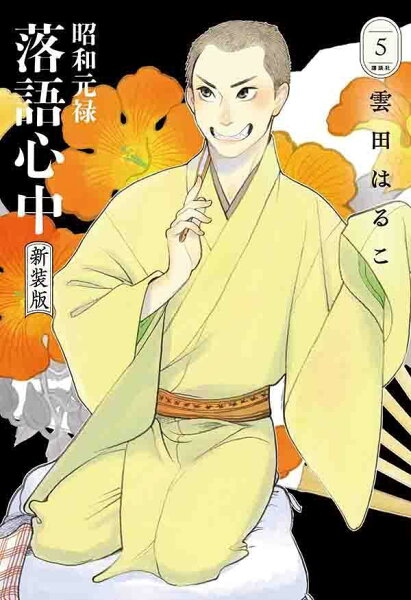
Slice of Life / Historical Drama
Shouwa Genroku Rakugo Shinjuu
Shouwa Genroku Rakugo Shinjuu follows the world of rakugo — traditional Japanese comic storytelling — through two performers across two generations: the transcendent and self-destructive Yakumo, and the student Yotaro who inherits what Yakumo cannot save.
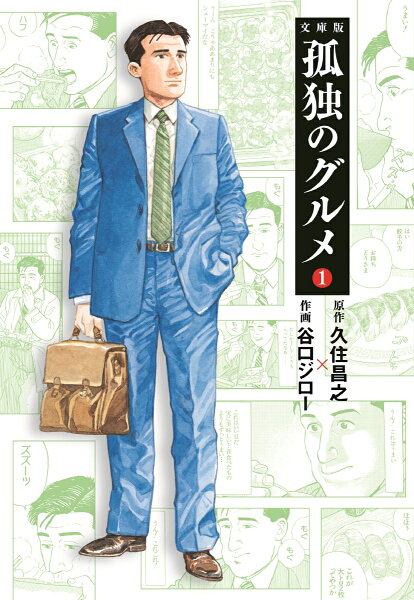
Slice of Life
The Solitary Gourmet
The Solitary Gourmet follows Goro Inogashira, a self-employed import goods dealer, as he eats lunch alone in various restaurants across Tokyo — a simple premise that becomes a meditation on solitude, pleasure, and the small dignities of everyday life.
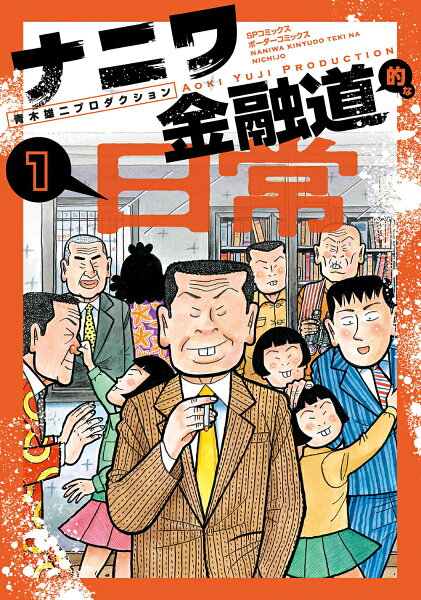
Slice of Life / Drama
Naniwa Kinyuudo
Naniwa Kinyuudo follows new employee Ginji Mita at a small-loan finance company in Osaka — a manga that uses the world of moneylending and debt collection to create one of manga's most honest portraits of Japanese economic life.
Slice of Life
Nasu
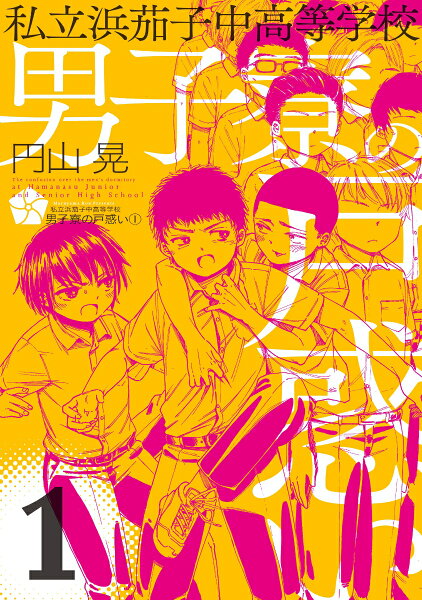
Nasu collects Iou Kuroda's short manga stories — quiet, precise vignettes centered on food, travel, and the moments when ordinary life opens briefly into something larger, then closes again.
Slice of Life / Drama
Silver Spoon
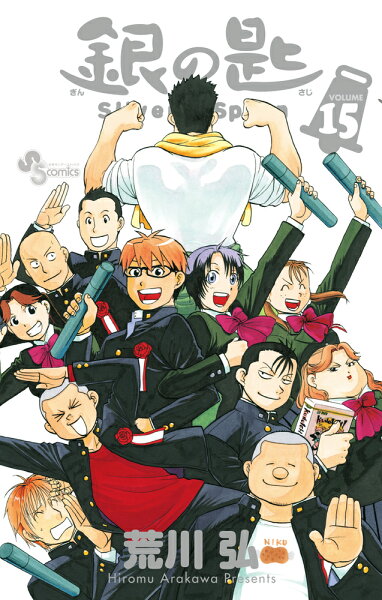
Yu's review of Silver Spoon — a city kid escapes to an agricultural high school to avoid his family, and discovers that farming, animal husbandry, and the people who feed the country have lessons no classroom ever taught him.

Slice of Life / Drama
Drops of God
Yu's review of Drops of God — Shizuku Kanzaki, a young beer-company salesman who hates wine, has to identify the twelve 'Apostles' and a final wine called the Drops of God from his late father's will to inherit a legendary cellar, racing the adopted wine prodigy Issei Tomine. Written by Tadashi Agi, drawn by Shu Okimoto, complete in English from Kodansha.
Written by
Yu
Manga Enthusiast from Japan
I grew up in Japan and manga literally saved me during a tough time in elementary school. My English isn't perfect, but my love for manga is real — and I want to share it with you.
Disclosure: This post contains affiliate links. As an Amazon Associate, I earn from qualifying purchases at no extra cost to you.