
Abandon the Old in Tokyo Review: Yoshihiro Tatsumi's Bleak Portraits of Postwar Despair
by Yoshihiro Tatsumi
Read the first volume. If it doesn't hook you, put it down. It'll hook you.
Buy Abandon the Old in Tokyo on Amazon →*Affiliate link — I earn a small commission at no extra cost to you.
After loving Tatsumi's memoir A Drifting Life, I went looking for the actual gekiga he helped invent — and Abandon the Old in Tokyo is the bracing, despairing real thing. These are short stories with no comfort in them: small, defeated men crushed by a postwar Tokyo that's getting rich without them. It's grim, and it's brilliant, and it's nothing like the manga most people picture.
This is the dark heart of what gekiga was for.
Quick Take
- A curated collection of Yoshihiro Tatsumi's 1970 gekiga (gritty, adult "dramatic pictures") short stories
- Bleak, unsentimental portraits of alienated working-class men in 1960s–70s Tokyo
- Rated M (Mature); a single volume collecting eight stories, published in English by Drawn & Quarterly (edited and designed by Adrian Tomine)
Who Is This Manga For?
- Readers interested in the literary, adult roots of gekiga and serious manga
- Fans of bleak, naturalistic short fiction (think Raymond Carver's despair in comics form)
- Anyone who read A Drifting Life and wants to see the work itself
- Readers who appreciate historical and socially critical comics
Content Warnings & Age Rating
Age Rating: M (Mature) Content Warnings: Bleak adult themes throughout; sexual content; despair, humiliation, and social alienation; some disturbing imagery
The M rating is earned. These are uncompromising, often grim adult stories.
Story Overview
Abandon the Old in Tokyo is one of several Drawn & Quarterly volumes (edited and designed by cartoonist Adrian Tomine) that collected Tatsumi's short gekiga for English readers — this one gathering eight stories from around 1970. There's no continuous narrative; each piece is a self-contained portrait, usually of an ordinary, defeated man on the margins of Japan's economic miracle.
The recurring subject is alienation. Tatsumi's protagonists are sewer workers, laborers, low-level employees, men trapped by obligation, poverty, or their own thwarted desires while Tokyo modernizes and prospers around them without including them. The title story draws on the old legend of ubasute — abandoning the aged to die — to tell of a man worn down by the burden of caring for his elderly mother as he tries to build his own life. Others trade in sexual frustration, humiliation, quiet violence, and the grinding indignity of being left behind by progress. The tone is unflinching and pessimistic, the endings rarely offer redemption, and the cumulative effect is a damning portrait of the human cost of postwar Japan's boom. This is "slice of life" only in the bleakest sense — slices of lives no one wanted to look at.
Characters
The defeated men — Tatsumi's stories are populated by a recurring archetype: the ordinary, powerless man crushed by circumstance, desire, or duty. They aren't heroes or even especially sympathetic; they're studies in alienation, rendered with unsparing honesty. The point is not any single character but the pattern they form.
Postwar Tokyo itself — The booming, modernizing city functions as the collection's true antagonist: a society racing toward prosperity that has no place for the men in these pages, and whose progress is built on their invisibility.
What I Love About It
It proves, completely, what Tatsumi's whole career argued for: that comics could carry the weight of serious, uncomfortable adult literature. There's no fantasy, no wish-fulfillment, no comfort — just clear-eyed, compassionate-but-merciless attention to people the booming economy chewed up. The art is plain and grounded, the storytelling economical and devastating. As social criticism it's bracing; as craft it's a masterclass in the short-story form. Having read his memoir first, seeing the actual gekiga delivered on the ambition he spent his youth fighting for is genuinely powerful.
Memorable Scene ⚠️ Spoiler Warning
The title story, "Abandon the Old in Tokyo," in which a man caring for his burdensome elderly mother is pulled between filial duty and his desire for his own independent life and a future with a woman — and the bleak, ubasute-echoing place that conflict leads him. Tatsumi refuses any sentimental resolution; the story sits in the genuine moral horror of a man weighing his mother's life against his own freedom, and the ending lands like a stone. It's the collection's thesis in miniature: ordinary people pushed by circumstance to the edge of something unforgivable, observed without judgment and without mercy.
Pros & Cons
Pros
- Historically essential gekiga from a master of the form
- Powerful, unsentimental social criticism
- Economical, devastating short-story craft
- A perfect companion to A Drifting Life
Cons
- Relentlessly bleak — no comfort or uplift anywhere
- The plain 1970s art and grim subject matter are an acquired taste
- Mature content and despair make it a demanding read, not a casual one
Is Abandon the Old in Tokyo Worth Reading?
Yes — for readers who want serious, literary, historically important comics and can handle unrelenting bleakness. It's a cornerstone of adult manga in English. If you want anything warm, look elsewhere; if you want to understand what gekiga achieved, start here.
Where to Buy
Read the first volume. If it doesn't hook you, put it down. It'll hook you.
This post contains affiliate links. If you purchase through these links, I may earn a small commission at no extra cost to you. As an Amazon Associate, I earn from qualifying purchases.
*Affiliate link — I earn a small commission at no extra cost to you.
More Manga You Might Like
Drama / Romance
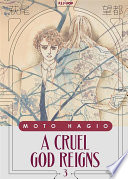
A Cruel God Reigns
Yu's review of A Cruel God Reigns by Moto Hagio — Jeremy's stepfather abuses him; Jeremy kills him; the next 16 volumes show what happens to a person after that. One of manga's most honest portraits of trauma and the possibility of recovery.

Drama / Medical
Say Hello to Black Jack
Eijiro Saito is a young medical resident who has just started at a Tokyo university hospital. He wants to help people. Across 13 volumes, Shuho Sato shows him what Japanese hospital medicine actually is — cancer wards, neonatal ICU, psychiatric care, organ transplantation, oncology — and what the system does to patients and doctors. The author released the work copyright-free in 2012. Cultural impact in Japan was significant; English licensing remains pending.

Drama
A Drifting Life
Yu's review of A Drifting Life — Yoshihiro Tatsumi's 800-page autobiographical epic about growing up obsessed with manga in postwar Japan and helping invent gekiga, the gritty, adult comics movement that changed the medium.
Historical / Drama
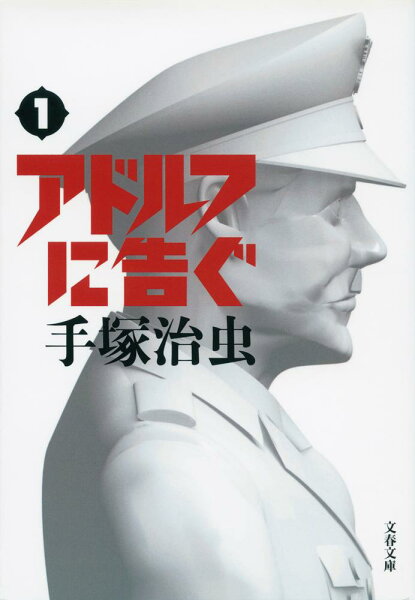
Message to Adolf
Yu's review of Message to Adolf (Adolf ni Tsugu) — Osamu Tezuka's historical epic following three men named Adolf through WWII and beyond, a devastating story of how war and ideology deform individual lives.
Action / Drama
Beck: Mongolian Chop Squad
Yu's review of Beck: Mongolian Chop Squad — Yukio 'Koyuki' Tanaka is a fourteen-year-old with nothing going for him until he rescues a strange dog and meets Ryusuke, a guitarist back from America with a bullet-scarred Les Paul named Lucille.
Drama / Slice of Life
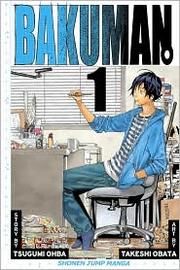
Bakuman
Yu's review of Bakuman — ninth-graders Moritaka Mashiro and Akito Takagi form a manga duo and fight their way through Weekly Shonen Jump's serialization machine, driven by a promise: Mashiro will marry his crush Miho Azuki when she voices the heroine in their anime. From the Death Note team, the most honest manga ever made about making manga.
Written by
Yu
Manga Enthusiast from Japan
I grew up in Japan and manga literally saved me during a tough time in elementary school. My English isn't perfect, but my love for manga is real — and I want to share it with you.
Disclosure: This post contains affiliate links. As an Amazon Associate, I earn from qualifying purchases at no extra cost to you.