
A Drifting Life Review: Yoshihiro Tatsumi's Epic Memoir of the Birth of Gekiga
by Yoshihiro Tatsumi
Read the first volume. If it doesn't hook you, put it down. It'll hook you.
Buy A Drifting Life on Amazon →*Affiliate link — I earn a small commission at no extra cost to you.
A Drifting Life is the book I hand to anyone who thinks manga is "just for kids." It's an 800-page memoir by one of the people who fought, personally, to make comics grow up — and it's also a moving portrait of a young man pouring his entire identity into a medium that barely existed yet. As someone who built my own life around loving manga, it reads almost like scripture.
Reading it, I understood for the first time where the serious manga I love actually came from.
Quick Take
- Yoshihiro Tatsumi's sprawling autobiographical epic about postwar Japan and the birth of "gekiga" (dramatic, adult comics)
- Both a personal coming-of-age memoir and a ground-level history of the manga industry's evolution
- Rated T (Teen); a single ~800-page volume, published in English by Drawn & Quarterly
Who Is This Manga For?
- Anyone interested in the history of manga and how it became an adult art form
- Readers who appreciate literary, autobiographical comics
- Fans of postwar Japanese history and culture
- People who love stories about devoting your life to a craft
Content Warnings & Age Rating
Age Rating: T (Teen) Content Warnings: Postwar poverty and hardship; family strain and illness; adult professional and personal themes
Mature in subject rather than content — appropriate for older teens and up.
Story Overview
A Drifting Life follows Hiroshi Katsumi — a lightly fictionalized stand-in for Tatsumi himself — from childhood in the late 1940s through the 1950s and into the early 1960s. Growing up in postwar Osaka amid poverty, a sickly older brother, and family tension, young Hiroshi finds his refuge and his calling in manga, idolizing Osamu Tezuka (who appears as a real, pivotal figure) and dreaming of becoming a professional cartoonist himself.
The book traces his actual entry into the industry: submitting work, getting published, navigating the rental-manga (kashihon) market, and falling in with a circle of young artists who shared a frustration with manga's child-oriented limits. Together they pushed toward something new — grittier, more cinematic, more adult stories that Tatsumi would famously name gekiga ("dramatic pictures"). The narrative weaves Hiroshi's personal life — family, money, ambition, rivalry, self-doubt — together with the real currents of postwar Japan: economic recovery, political upheaval, the rise of television, and the rapidly changing publishing world. It's simultaneously an intimate memoir and a chronicle of a medium being reinvented from the ground up by people who were mostly broke and in their twenties.
Characters
Hiroshi Katsumi (Tatsumi) — The autobiographical protagonist, whose lifelong, almost desperate devotion to manga drives the entire book. His ambition, insecurity, and stubborn artistic conviction make him a deeply human guide through the era. He is both dreamer and worker, and the book never flatters him.
Osamu Tezuka — Manga's "god," who appears as a real figure and an enormous influence on Hiroshi — first as an unreachable idol, later as a complicated near-peer. His presence anchors the book's historical authority.
The gekiga circle — Hiroshi's fellow young artists, collaborators, and rivals, whose shared dissatisfaction with manga's status quo becomes a movement. Their camaraderie and friction drive the professional half of the story.
What I Love About It
It treats loving manga as a serious, formative, life-shaping thing — because for Tatsumi it was. The book takes the inner life of a young person who has decided that comics are worth dedicating everything to, and it honors that decision completely while being honest about its costs. And as history, it's invaluable: you watch, scene by scene, as a generation argues and experiments their way toward proving that comics could carry adult weight. The art is plain and clear, which is the right choice — it keeps the focus on the era and the people rather than on visual flash. For anyone who has ever felt that a "low" medium gave them something profound, it's deeply validating.
Memorable Scene ⚠️ Spoiler Warning
The moment gekiga gets its name and its mission — when Hiroshi and his circle, frustrated that "manga" implies something childish and frivolous, consciously decide they're making something different and coin a new word for it. It's not a dramatic action beat; it's a group of young, poor artists naming their own ambition into existence. But knowing how the entire medium would later grow in exactly the direction they were reaching for, that quiet act of self-definition is genuinely stirring. The whole 800 pages build to the conviction behind that single decision.
Pros & Cons
Pros
- An essential, fascinating history of manga's maturation
- A moving, honest personal memoir
- Tezuka and real industry figures bring genuine historical weight
- Complete in a single substantial volume
Cons
- Very long (~800 pages) and deliberately paced
- The plain art and historical density won't grab readers wanting spectacle
- Most rewarding if you already care about manga or postwar Japan — a niche, if a deep one
Is A Drifting Life Worth Reading?
For anyone who loves manga as an art form, yes — it's close to essential, both as history and as memoir. It's a long, serious read, but it gives you the origin story of the very thing that makes manga worth taking seriously.
Where to Buy
Read the first volume. If it doesn't hook you, put it down. It'll hook you.
This post contains affiliate links. If you purchase through these links, I may earn a small commission at no extra cost to you. As an Amazon Associate, I earn from qualifying purchases.
*Affiliate link — I earn a small commission at no extra cost to you.
More Manga You Might Like
Drama
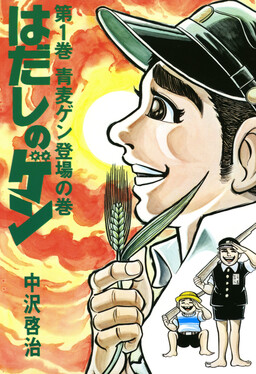
Barefoot Gen
Yu's review of Barefoot Gen (はだしのゲン) — Keiji Nakazawa's semi-autobiographical manga about a six-year-old boy who survives the Hiroshima atomic bombing on August 6, 1945, watches his father and two siblings burn under their collapsed house, and tries to keep what's left of his family alive. Drawn by a man who was actually there.
Drama
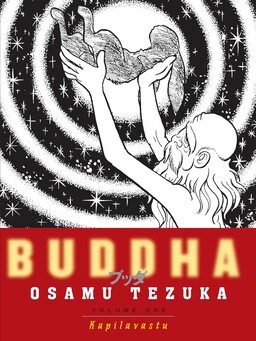
Buddha
Yu's review of Buddha — Osamu Tezuka's sweeping, fictionalized retelling of the life of Siddhartha Gautama, told through a huge cast of invented characters whose suffering makes the Buddha's questions feel like questions you actually have.
Historical / Drama
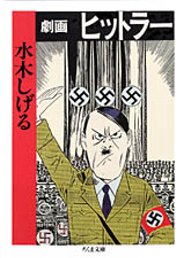
Hitler
Shigeru Mizuki, the man who drew friendly yokai in GeGeGe no Kitaro, also drew the life of Adolf Hitler — a sober, anti-war biography in a single volume.
Drama / Slice of Life
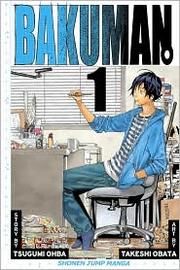
Bakuman
Yu's review of Bakuman — ninth-graders Moritaka Mashiro and Akito Takagi form a manga duo and fight their way through Weekly Shonen Jump's serialization machine, driven by a promise: Mashiro will marry his crush Miho Azuki when she voices the heroine in their anime. From the Death Note team, the most honest manga ever made about making manga.

Slice of Life / Drama
Abandon the Old in Tokyo
Yu's review of Abandon the Old in Tokyo — a Drawn & Quarterly collection of Yoshihiro Tatsumi's bleak 1970 gekiga short stories about alienated, defeated working men on the margins of booming postwar Tokyo.
Drama / Romance
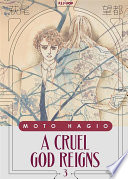
A Cruel God Reigns
Yu's review of A Cruel God Reigns by Moto Hagio — Jeremy's stepfather abuses him; Jeremy kills him; the next 16 volumes show what happens to a person after that. One of manga's most honest portraits of trauma and the possibility of recovery.
Written by
Yu
Manga Enthusiast from Japan
I grew up in Japan and manga literally saved me during a tough time in elementary school. My English isn't perfect, but my love for manga is real — and I want to share it with you.
Disclosure: This post contains affiliate links. As an Amazon Associate, I earn from qualifying purchases at no extra cost to you.