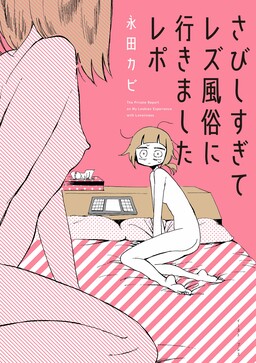
My Lesbian Experience with Loneliness Review: A Candid Memoir About Mental Health, Sexuality, and Finding Yourself
by Nagata Kabi
Read the first volume. If it doesn't hook you, put it down. It'll hook you.
Buy My Lesbian Experience with Loneliness on Amazon →*Affiliate link — I earn a small commission at no extra cost to you.
Quick Take
- One of the most important manga published in recent years — Kabi's candor about mental health, sexuality, and the specific texture of her loneliness is without comparison in the medium
- The art style — simple, expressive, using color to communicate emotional states — is perfectly suited to the content
- 1 volume complete; essential reading regardless of whether you identify with the specific experiences
Who Is This Manga For?
- Readers who want autobiographical manga that is genuinely honest about mental health struggles
- Anyone interested in queer memoir in manga form
- Fans of personal essay writing who want to experience it as a visual medium
- Readers who want a single complete manga experience of exceptional quality
Content Warnings & Age Rating
Age Rating: T+ (Older Teen) Content Warnings: Depression and mental health crisis; eating disorder; self-harm references; adult sexuality discussion; family relationship difficulties
T+ rating — these topics require maturity; not graphic but honest.
Yu's Rating
| Category | Score |
|---|---|
| Story Depth | ★★★★★ |
| Art Style | ★★★★★ |
| Character Development | ★★★★★ |
| Accessibility for Non-Japanese Readers | ★★★★★ |
| Reread Value | ★★★★★ |
Story Overview
Nagata Kabi draws her own life. This volume covers several years during which she struggled with depression, developed an eating disorder as a response to stress and control, worked dead-end jobs, lived in a way that felt removed from what she wanted, and gradually understood that a significant part of what she had been missing was connection — specifically, the kind of connection she had never been able to articulate.
The manga depicts her decision to hire a lesbian escort — not for sex specifically but for human touch, for proximity, for an experience of closeness that she had not been able to access through ordinary means — and what that experience revealed to her about her own loneliness and her own sexuality.
Kabi draws this with a candor that is the opposite of confessional performance. She is not performing vulnerability; she is simply drawing what happened and what she thought and what it felt like.
Characters
Kabi herself — The autobiographical subject whose self-portrayal is the most honest self-examination in manga; she depicts herself without flattery and without condemnation.
Her parents — Present throughout as the relationship with them and the expectations they represent affect everything she does; they are depicted with complexity, not as villains.
Art Style
Kabi's art is simple and uses color deliberately — her emotional states are communicated through the palette of each page, her physical states through expressionistic rather than realistic rendering. This is art that is exactly as sophisticated as it needs to be for what it is doing.
Cultural Context
My Lesbian Experience with Loneliness was originally published on Pixiv and went viral in Japan before being collected. Its success represented a significant moment in manga — showing that deeply personal, non-mainstream content could find a massive audience when it was genuinely honest. Kabi has published several follow-up volumes continuing her story.
What I Love About It
The accuracy. Kabi describes states of mind — the specific texture of depression, the specific quality of her loneliness, what it felt like to not be able to want what she was supposed to want — with a precision that most mental health writing does not achieve. Reading it, people who have experienced similar things recognize something true. That recognition is rare.
What English-Speaking Fans Say
Western readers describe My Lesbian Experience with Loneliness as one of the most important manga translated in recent years — specifically noted for the emotional honesty being unlike anything else in the medium, for the art being perfectly suited to the content, and for the experience of reading it being unlike reading any other manga. Recommended to everyone regardless of whether they share the specific experiences.
Memorable Scene ⚠️ Spoiler Warning
The sequence where Kabi depicts the escort experience itself — not as titillation but as what it actually was, which was a scared person experiencing human closeness for the first time — is the volume's most emotionally honest passage.
Similar Manga
- Blank Canvas — Another autobiographical manga about artistic struggle and identity
- Solanin — Manga about young adulthood and depression in fictional register
- I Want to Eat Your Pancreas — Emotional weight and impermanence in different form
- Wandering Son — Gender identity in manga with similar emotional care
Reading Order / Where to Start
This is a single volume. Start at page 1.
Official English Translation Status
Seven Seas published the complete English volume. 1 volume available.
Pros & Cons
Pros
- Emotional honesty is without comparison in the medium
- Art is exactly suited to the content
- Complete in one volume
- Important for anyone who has experienced mental health struggles
Cons
- Content warnings must be taken seriously
- Single volume — Kabi's follow-up volumes continue the story
- Not for readers who want narrative distance from difficult topics
Format Comparison
| Format | Notes |
|---|---|
| Individual Volume | Seven Seas; one volume |
| Digital | Available |
Where to Buy
Read the first volume. If it doesn't hook you, put it down. It'll hook you.
This post contains affiliate links. If you purchase through these links, I may earn a small commission at no extra cost to you. As an Amazon Associate, I earn from qualifying purchases.
*Affiliate link — I earn a small commission at no extra cost to you.
More Manga You Might Like
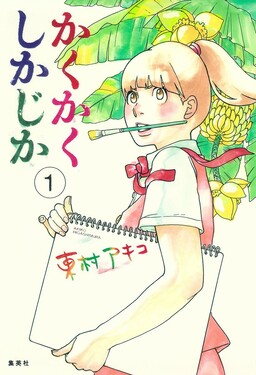
Slice of Life / Memoir
Blank Canvas: My So-Called Artist's Journey
Yu's review of Blank Canvas (Kakukaku Shikajika) — Akiko Higashimura's autobiographical manga about Hidaka-sensei, the bamboo-sword-wielding art teacher in rural Miyazaki who screamed 'Draw!' until she became the artist she is. A memoir, a comedy, and a eulogy all at once.
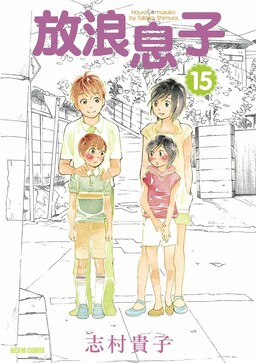
Slice of Life / Drama
Wandering Son
Yu's review of Wandering Son — Shuichi Nitori is a boy who wants to be a girl; his new friend Yoshino Takatsuki is a girl who wants to be a boy; the manga follows both of them from elementary school through adolescence as they navigate gender identity, friendship, and growing up; a gentle, serious work about transgender experience.
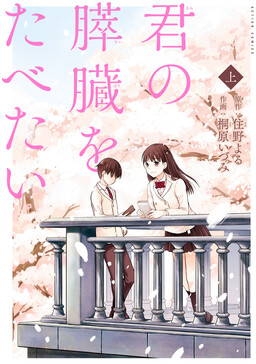
Slice of Life / Drama
I Want to Eat Your Pancreas
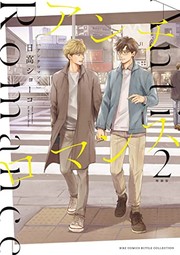
Yu's review of the I Want to Eat Your Pancreas manga — Idumi Kirihara's adaptation of Yoru Sumino's novel. A withdrawn boy finds classmate Sakura Yamauchi's secret diary and learns she's dying of a pancreatic illness. She chooses him precisely because he won't treat her like a dying girl. Seven Seas collected the two Japanese volumes into one English omnibus.
Slice of Life / Music
Blue Giant
Yu's review of Blue Giant — Dai Miyamoto, a Sendai high schooler with no talent and no friends in jazz, decides he will become the greatest jazz saxophonist in the world, moves to Tokyo, and forms the trio JASS with a cocky pianist and a total drumming beginner.
Slice of Life
Satoko and Nada
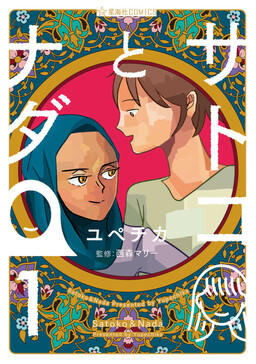
Yu's review of Satoko and Nada — Satoko is a Japanese student at an American university; Nada is her Saudi Arabian roommate; neither knows much about the other's culture; Yupechika's slice-of-life manga about two women sharing an apartment, sharing their lives, and learning that the gap between their worlds is smaller than they assumed.
Slice of Life / Comedy
New Game!
Yu's review of New Game! — Aoba Suzukaze joins Eagle Jump, the game company that made her favorite childhood game, as a character designer; the series follows her first year in professional game development alongside an all-female team; a workplace slice-of-life that treats game development with genuine procedural interest.
Written by
Yu
Manga Enthusiast from Japan
I grew up in Japan and manga literally saved me during a tough time in elementary school. My English isn't perfect, but my love for manga is real — and I want to share it with you.
Disclosure: This post contains affiliate links. As an Amazon Associate, I earn from qualifying purchases at no extra cost to you.