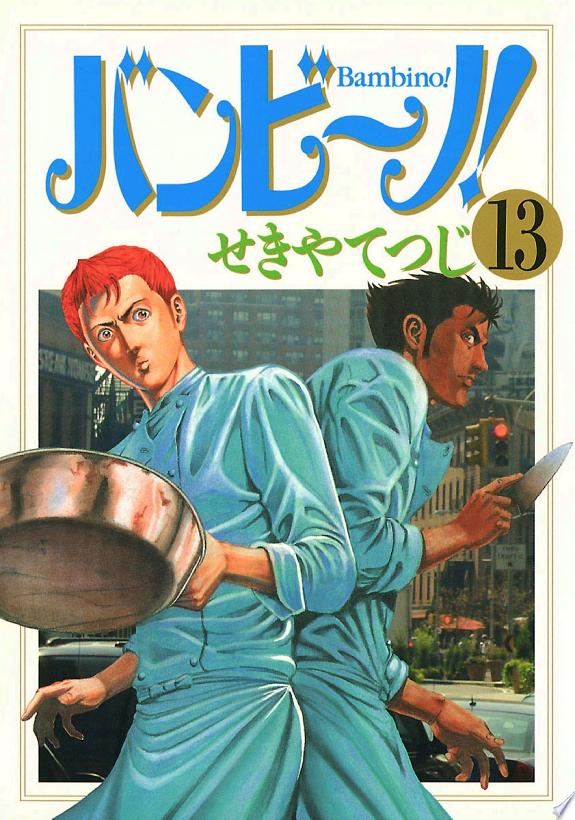
Bambino! Review: The Italian Kitchen That Calls You a Kid
by Tetsuji Sekiya
Read the first volume. If it doesn't hook you, put it down. It'll hook you.
Buy Bambino! on Amazon →*Affiliate link — I earn a small commission at no extra cost to you.
I have never worked in a professional kitchen, and after reading Bambino! I think that is a good thing for everyone involved. But I know what it feels like to walk into a place sure you belong there, and to find out within an hour that you do not. That feeling — the one where your confidence evaporates and you can hear how loud your own breathing is — is the first thing this manga gave me. Shogo Ban thinks he can cook. He is wrong, and the kitchen tells him so without any kindness at all.
I read a lot of cooking manga that lets the hero win because he has a special tongue or a tragic past. Bambino! does not do that. It just makes you stand at the sink and wash dishes and earn the next thing slowly. I respected it before I even liked it.
Quick Take
- The most grounded Italian-kitchen drama I have read — no magic palates, just brodo, burns, and humility
- Shogo Ban's growth is measured in stations: dish sink, then service, then dolce, then pasta — nothing is skipped
- Rated T (Teen): workplace abuse, harsh language, and a lot of yelling, but nothing graphic
Story Overview
Shogo Ban is a third-year university student in Fukuoka who works part-time at a local Italian restaurant called San Marzano. He has even earned a cooking license, and he vaguely dreams of opening a place someday with his girlfriend, Eri. He thinks he is good. In his small hometown kitchen, he is.
The owner sends him to help out at Trattoria Baccanale, a top-class restaurant in Roppongi, Tokyo, run by the owner's younger protégé. The pace there destroys him. He cannot keep up at all, and within his first stretch he gets shoved back to washing dishes. When he finally stakes his hometown pride on making brodo — the broth that everything is built on — he fails at that too. A senior cook, Katori, beats it into him and sneers the word "bambino" at him: a kid, a baby. That humiliation is the engine of the whole series.
The turning point is that Ban decides to stay. He commits to Tokyo and to becoming a real chef, which costs him Eri, who refuses to follow him and eventually gets engaged to someone else back home. From there the manga moves him through the kitchen one station at a time — front-of-house service, then dolce (dessert), then pasta — and through the opening of Baccanale's second restaurant. By the end of the original 15-volume run, Ban has grown into a cook who can actually hold a station, earning his spot through new-menu trials rather than through any shortcut. He is no longer the bambino.
Characters
Shogo Ban is the protagonist, and Sekiya draws him as a hot-blooded, headfirst type whose main talent at the start is the stubbornness to endure unfair treatment without quitting. His arc is the slow conversion of raw pride into actual skill. He loses his girlfriend, his sense of being talented, and most of his dignity along the way — and what is left after all that is an actual chef.
Nozomi Katori starts as Ban's tormentor. He is the cook who beats him over the failed brodo and gives him the "bambino" nickname, and for a long stretch he treats Ban as an enemy. His harshness has roots in a rough home life, and over the series he shifts from antagonist to something closer to a rival who understands Ban.
Asuka Hibino works the antipasto station, a tough, no-nonsense senior who becomes one of the people Ban can actually talk to. She rises to sous-chef over the course of the story — and she carries the series' heaviest blow, losing her fiancé to a sudden death right before a restaurant opening. She does not get to fall apart; she has a kitchen to run.
Eri Takahashi is Ban's girlfriend from Fukuoka, and she is the cost of his ambition. She will not move to Tokyo for him, the distance breaks them, and she ends up engaged to another man. She is not a villain — she is just a person who wanted a normal life with someone who chose the kitchen instead.
What I Love About It
The brodo scene is the one I keep coming back to. Ban has been knocked down to dish duty and he is humiliated, but he tells himself the one thing he still believes: maybe he is slow, maybe he is clumsy here, but back home flavor was his — nobody beat him on taste. So when he finally gets to make the brodo, he is staking his entire identity on it. This is the part of him that the big city has not taken yet.
And he fails. The broth is wrong, and Katori does not soften it — he hits him, and he names him: bambino. What I love is that the manga does not treat this as cruelty for shock value. It treats it as the truth Ban needed. His "flavor" was a small-pond truth. In a real kitchen, the broth that everything else is built on demands a discipline he simply did not have yet. The scene strips away the last thing he was hiding behind. I have had versions of that moment in my own life, where the one thing I thought made me special turned out to be ordinary, and watching Ban take that hit and stay made me trust the whole series. It earns its later victories because it refuses to fake this early defeat.
Memorable Scene ⚠️ Spoiler Warning
The moment that stays with me beyond the kitchen is Asuka Hibino's loss. She is the strong one, the senior who keeps her head while everyone else panics, and she is rising toward sous-chef. Then her fiancé dies suddenly, right as a restaurant opening looms. There is no room in that world for her to collapse into grief on schedule — the service still has to go out, the station still has to run. Watching her carry that while standing at her post recontextualizes the entire "tough senior" persona she had up to that point. The hardness was never just attitude; it was the armor a person builds to keep working when life does not stop for them. It is the scene where Bambino! quietly says that the kitchen does not spare anyone, not even the people who seem unbreakable.
Pros & Cons
Pros:
- The most honest depiction of kitchen apprenticeship I have read — progress is slow, earned, and station by station
- Real Italian-cooking detail: brodo, antipasto, dolce, pasta, the actual structure of a brigade
- Character arcs that cost something — Ban loses his girlfriend and his ego to grow, and the supporting cast carries real grief
Cons:
- The senior-on-junior abuse is constant and at times hard to read; it is presented as growth, not condemned
- The romance subplot resolves bleakly and may frustrate readers who want it tied up sweetly
- It is a slow, work-focused drama with no fantasy hook — if you want a flashy cooking-battle series, this patient, grinding tone won't work for everyone
Is Bambino! Worth Reading?
Yes — if you want a cooking manga that respects how hard the work actually is. Bambino! trades magic palates and instant talent for humility, repetition, and earned skill, and it pays you back with a protagonist who genuinely changes. The constant kitchen harshness and the bleak romance make it a tougher read than most food manga, but that same refusal to flinch is exactly what makes it land. It won the 53rd Shogakukan Manga Award for good reason.
Where to Buy
No English release yet. That just means you find it before everyone else does.
This post contains affiliate links. If you purchase through these links, I may earn a small commission at no extra cost to you. As an Amazon Associate, I earn from qualifying purchases.
*Affiliate link — I earn a small commission at no extra cost to you.
More Manga You Might Like
Slice of Life / Drama
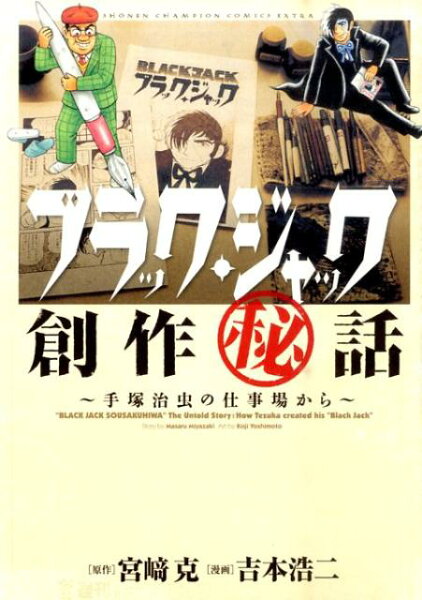
Black Jack Sousaku Hiwa
Black Jack Sousaku Hiwa is a documentary manga about how Osamu Tezuka created Black Jack — told through the editors and assistants who worked beside him, capturing both the genius and the human cost of his impossible work ethic.

Slice of Life / Heartwarming
Sweetness and Lightning
Yu's review of Sweetness and Lightning — Kouhei Inuzuka is a teacher and single father whose wife recently died; he cannot cook and his daughter Tsumugi eats convenience store food; a student named Kotori invites them to her family's empty restaurant and teaches him to cook for his daughter.

Drama / Education
Dragon Zakura
Kenji Sakuragi is a former biker-gang member turned lawyer. He arrives at Ryuzan High School — a struggling Tokyo prep school facing bankruptcy — and announces his plan: he will get five of its worst students into Tokyo University. Norifusa Mita's 21-volume manga (2003–2007) made Japan rethink its entrance exam system. A sequel ran 17 volumes (2018–2021). Both Hiroshi Abe TV drama adaptations were ratings hits. Unlicensed in English.

Slice of Life / Drama
Bartender
Bartender follows Ryu Sasakura, a young genius bartender who serves the 'Glass of the Gods' at a hidden Ginza bar — the one drink each troubled customer needs at that exact moment in their life.
Slice of Life / Comedy
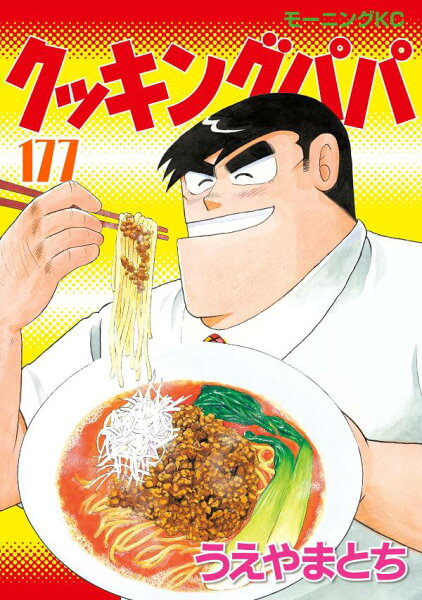
Cooking Papa
Cooking Papa follows Kazumi Araiwa, a Fukuoka salaryman at Kanamaru Sangyo who is secretly a brilliant home cook — feeding his family and, eventually, his whole workplace — across one of the longest-running manga in history.
Slice of Life / Drama
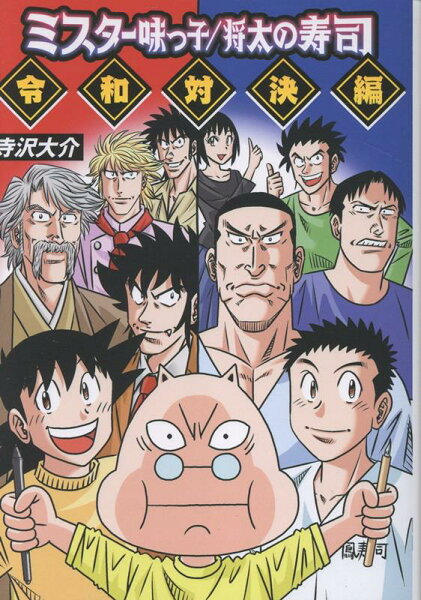
Shota no Sushi
A review of Daisuke Terasawa's Shota no Sushi (将太の寿司) — 27 volumes in Weekly Shōnen Magazine from 1992 to 1997. A Hokkaido boy trains at Tokyo's finest sushi restaurant, learns from masters, and competes at the highest levels of Japanese culinary craft.
Written by
Yu
Manga Enthusiast from Japan
I grew up in Japan and manga literally saved me during a tough time in elementary school. My English isn't perfect, but my love for manga is real — and I want to share it with you.
Disclosure: This post contains affiliate links. As an Amazon Associate, I earn from qualifying purchases at no extra cost to you.