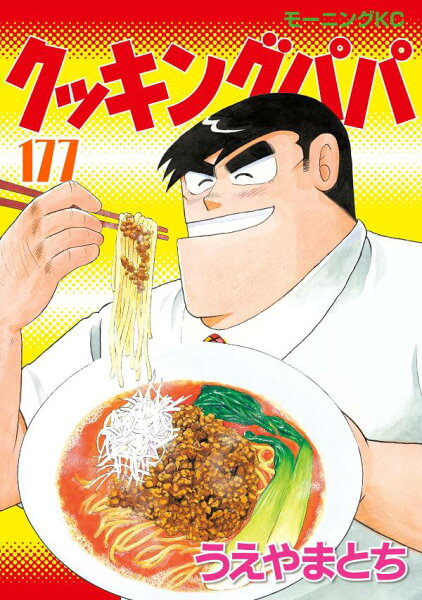
Cooking Papa Review: The Salaryman Who Hid That He Could Cook
by Tochi Ueyama
Read the first volume. If it doesn't hook you, put it down. It'll hook you.
Buy Cooking Papa on Amazon →*Affiliate link — I earn a small commission at no extra cost to you.
I want to tell you about the most low-stakes manga I have ever loved.
When I was a kid eating alone, food was not a happy thing. It was just the thing you did so the day could end. So when I first opened Cooking Papa years later — this big, gentle series about a salaryman who goes home and cooks dinner — something in it settled me. There is no villain. Nobody is in a cooking duel. A man simply makes good food and the people around him are a little happier, and then the chapter ends. The author once said the whole idea was: "Even if nothing dramatic happens, you eat something delicious, you get a little happy, the end. Isn't that enough?" Reading it, I think it really is.
Quick Take
- A cooking manga with no battles, no rivalries — just a man, his family, and real food
- Every chapter ends with an actual, tested recipe you can cook yourself
- All Ages — there is nothing in here you couldn't read to a child
Story Overview
There is no grand plot here, and I want to be honest about that. Cooking Papa is episodic by design. It is set in Fukuoka and follows Kazumi Araiwa, a salaryman at a trading company called Kanamaru Sangyo, who happens to be an extraordinary home cook.
The beginning sets up the one bit of tension the series has: at work, Araiwa hides that he can cook. This is 1985, and the author has been open that a man who cooked at home was odd enough back then to be the whole premise of a comedy. So Araiwa pretends his wife made his lunch, or that he bought it. Each chapter is a small situation — a colleague with a problem, a family occasion, an ingredient someone brought back from a trip — that resolves into Araiwa cooking, with the full recipe shown on the page.
The "turning point," as much as a forty-year slice-of-life manga has one, is when his secret comes out at work and is simply accepted. From there the series widens: Araiwa rises from section chief to manager, his son grows from a small boy into someone chasing a professional cooking career, a daughter is born and grows up, and the cast around him expands. There is no ending — it has been running since 1985 and is still going at 177 volumes as of 2026. The "arc" is really time itself: read across the volumes and you are reading forty years of what Japanese people actually cooked at home.
Characters
Kazumi Araiwa — The cooking father. What makes him work is that the series refuses to make his skill a superpower. He starts as a section chief who hides his talent because of the era's expectations, gets promoted over the decades, and through it all the cooking is just something he does because he learned it and loves it. He is competent, calm, and kind, and the manga's quiet argument is that this should be ordinary, not remarkable.
Nijiko Araiwa — His wife. Her running character note is that she is genuinely terrible at housework and cooking — her own parents reportedly gave up on her — yet the marriage never makes that a problem. She has her own strengths, and her occasional lucky successes in the kitchen are played warmly, never as a flaw to be fixed.
Makoto Araiwa — Their son, and the character who carries the longest arc by far. He begins as a young boy and, because of his father, grows up with real cooking skill. Over the decades of serialization he goes to university, takes an office job, and eventually turns toward becoming a professional chef. Watching a side character literally grow up across forty years of real time is one of the strange pleasures of a series this long.
The Kanamaru Sangyo coworkers — Araiwa's workplace, including colleague Keiko, forms the social world outside his family. Keiko is the one who pushes him to stop hiding his cooking, and the office becomes the recurring stage where food solves small human problems.
What I Love About It
I love that this manga's recipes are real. The author, Tochi Ueyama, is known for only putting a dish in the book after he has actually cooked and tasted it himself. So when Araiwa makes something, the steps on the page are steps that work. Reading Cooking Papa is like reading a cookbook that is organized by year and by life-situation instead of by dish category. The early-1980s volumes show one era of Japanese home cooking; the recent ones show another. As a record of how ordinary Japanese food shifted over forty years, told from inside the home kitchen, I genuinely don't know anything else like it.
But what I love even more is the gentleness of the whole thing. Most cooking manga need a contest — a duel, a tournament, a judge tasting in slow motion. Cooking Papa deliberately has none of that, and that absence is the point. The drama is whether a coworker will feel a little better, whether a tired family will sit down to something warm. It treats feeding people as the small, repeated act of love that it actually is. For a kid who used to think of food as just fuel, reading a series that takes the opposite view — quietly, for hundreds of volumes, never raising its voice — meant more to me than any battle manga ever did.
Memorable Scene ⚠️ Spoiler Warning
The early chapter that stays with me is the simplest one. The office empties out for lunch, and Araiwa — this respectable trading-company man — quietly takes out a homemade bento. The joke, and the heart of it, is that his coworkers assume his wife made it, because in 1985 the idea that he made it himself, by hand, doesn't even occur to them. He lets them think it.
It is such a small scene, but the whole series is folded inside it: a man who is good at something the world has decided he shouldn't be good at, choosing to hide it rather than make a fuss — until, later, a coworker like Keiko sees through it and he's finally allowed to just be the person who cooks. Forty years on, that little act of hiding reads almost like a time capsule. The thing he was embarrassed about is now completely ordinary, and the manga quietly outlived the prejudice that made its premise funny in the first place.
Pros & Cons
Pros
- Real, tested recipes in every single chapter
- A four-decade chronicle of Japanese home cooking from the inside
- Warm family-and-workplace cast that genuinely grows up over time
- Pure comfort reading — no stress, no cruelty
Cons
- No official English release (Japanese only)
- 177+ volumes is an enormous commitment to start
- No dramatic through-line — it is calm by design, and that calm won't work for everyone
Is Cooking Papa Worth Reading?
If you want plot twists and high stakes, no. If you want a warm, endless series that treats cooking for people you love as the quiet heart of a good life — and you don't mind reading Japanese or dipping into any volume at random — then yes, absolutely. It is comfort food in manga form.
Similar Manga
| Title | Its Approach | How Cooking Papa Differs |
|---|---|---|
| Oishinbo | Food journalism framed around tasting and rivalry | Cooking Papa drops the rivalry entirely and stays in the home kitchen |
| What Did You Eat Yesterday? | Quiet adult life built around real recipes | Cooking Papa centers a whole family and workplace, not a couple |
| Sweetness & Lightning | A parent cooking as an act of love | Cooking Papa spans decades and hundreds of recipes, not one tender stretch |
Where to Buy
No English release yet. That just means you find it before everyone else does.
Search Cooking Papa on Amazon.co.jp →
This post contains affiliate links. If you purchase through these links, I may earn a small commission at no extra cost to you. As an Amazon Associate, I earn from qualifying purchases.
*Affiliate link — I earn a small commission at no extra cost to you.
More Manga You Might Like

Slice of Life / Heartwarming
Sweetness and Lightning
Yu's review of Sweetness and Lightning — Kouhei Inuzuka is a teacher and single father whose wife recently died; he cannot cook and his daughter Tsumugi eats convenience store food; a student named Kotori invites them to her family's empty restaurant and teaches him to cook for his daughter.

Slice of Life / Comedy
Tsuribaka Nisshi
Tsuribaka Nisshi follows Densuke 'Hama-chan' Hamasaki — a dead-average salaryman obsessed with fishing — who unknowingly befriends Ichinosuke 'Su-san' Suzuki, the president of the construction company he works for, after the two meet over a leftover grilled fish.
Slice of Life / Drama
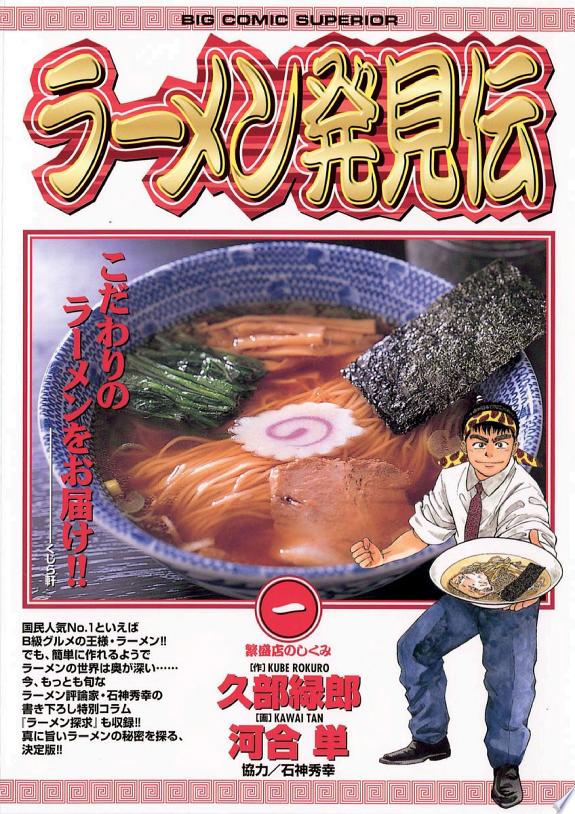
Ramen Discovery Legend
Ramen Discovery Legend follows Fuuta Kajiwara, an ordinary salaryman with extraordinary ramen sensitivity, as he encounters and evaluates Japan's ramen culture — from regional styles to legendary shops — becoming an unexpected authority through pure palate.
Slice of Life / Romance
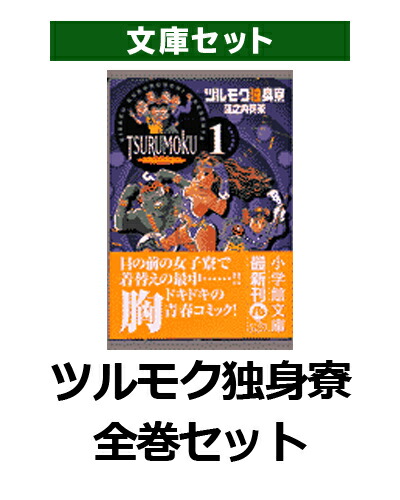
Tsurumoku Dokusin-ryo
Tsurumoku Dokusin-ryo follows young workers living in their company's bachelor dormitory — a comedy of closeness, romantic complications, and the specific texture of young adult working life in Japan when everyone you know also lives where you work.
Slice of Life
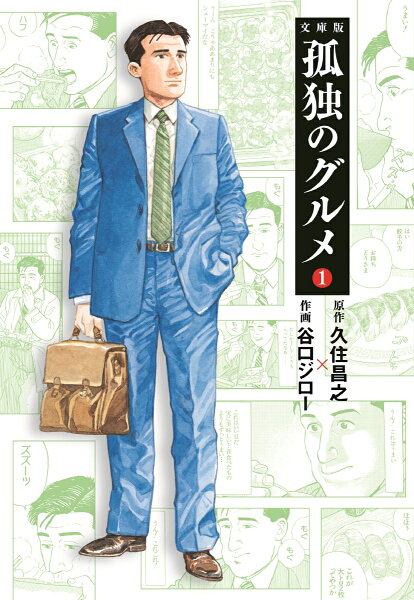
The Solitary Gourmet
The Solitary Gourmet follows Goro Inogashira, a self-employed import goods dealer, as he eats lunch alone in various restaurants across Tokyo — a simple premise that becomes a meditation on solitude, pleasure, and the small dignities of everyday life.

Slice of Life
Nasu
Nasu collects Iou Kuroda's short manga stories — quiet, precise vignettes centered on food, travel, and the moments when ordinary life opens briefly into something larger, then closes again.
Written by
Yu
Manga Enthusiast from Japan
I grew up in Japan and manga literally saved me during a tough time in elementary school. My English isn't perfect, but my love for manga is real — and I want to share it with you.