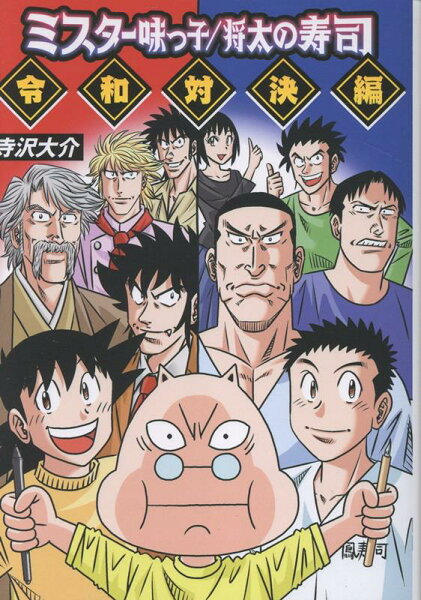
Shota no Sushi Review: A Boy's Journey to Become the Best Sushi Chef in Japan
by Daisuke Terasawa
Read the first volume. If it doesn't hook you, put it down. It'll hook you.
Buy Shota no Sushi on Amazon →*Affiliate link — I earn a small commission at no extra cost to you.
Shota no Sushi ran in Weekly Shōnen Magazine from 1992 to 1997 and spawned a TV drama, an anime film, and two sequel manga series. It is the definitive sushi manga in a way that other culinary series don't quite match — because Terasawa clearly did his research, and the series treats sushi as a craft worth understanding rather than a backdrop for competition drama.
I'm Yu. I grew up eating sushi from the counter at small restaurants, watching the chefs work, and this manga captures something real about what that world looks like from the inside.
Quick Take
- The definitive sushi manga — sushi knowledge is genuine and the competitive drama is genuinely exciting
- Shota's journey from small-town apprentice to serious competitor is a classic shonen arc applied to culinary art
- The sushi techniques and fish knowledge are accurate and educational
Story Overview
Shota Sekiguchi grew up watching his father make sushi at their small restaurant in Hokkaido. When his father's restaurant closes and the family faces hardship, Shota goes to Tokyo to make his way in the sushi world — entering an apprenticeship, learning from masters, and eventually competing at the highest levels of Japanese culinary competition.
The series follows the full arc of culinary apprenticeship: the basics that must be learned before anything interesting can happen, the rivals whose different approaches force Shota to understand his own, the mentors whose knowledge becomes part of his practice, and the competitions where everything he has learned is tested.
The sushi knowledge is real. Terasawa clearly did his research — the fish species, the techniques for cutting and serving, the regional variations in Japanese sushi culture, the specific knowledge that distinguishes a great sushi chef from a competent one — all are depicted accurately and in enough detail to be genuinely educational.
Characters
Shota Sekiguchi: The classic shonen protagonist applied to culinary arts — determined, hardworking, emotionally honest, and possessed of an instinctive feel for his craft that education develops rather than creates. His arc is about learning what his instinct means and learning the craft that can express it.
Various rivals and mentors: The series structures Shota's development through encounters — rivals whose techniques challenge him, mentors whose knowledge transforms him. Each is given enough characterization to feel real rather than functional.
Art Style
Clear and expressive — the sushi preparation sequences are drawn with technical specificity, making the process legible for readers unfamiliar with sushi preparation. Competition sequences use the visual vocabulary of sports manga effectively. Character designs communicate personality through posture and expression.
Cultural Context
Sushi as a craft has an elaborate apprenticeship culture — training under a master for years, learning the fish, the rice, the knife work in a specific sequence. This system is depicted accurately in the series, which is set in the period before sushi conveyor belts and casual sushi became dominant.
The competitive dimension — regional and national competitions for young chefs — reflects real institutions in Japanese culinary culture.
What I Love About It
I love how the series treats knowledge as earned.
Shota can't skip steps. He can't rely on natural talent — natural talent is where he starts, and it gets him into the system, but every specific skill is learned through specific practice. Watching him learn to break down fish properly before he's allowed to cut it for service. Watching him learn the rice before he's allowed to top it. The apprenticeship structure is shown as real, not as a narrative device.
This is what makes the competition sequences satisfying — you know what each technique costs to learn because the series showed you the learning.
Memorable Scene ⚠️ Spoiler Warning
A competition sequence where Shota faces a rival who has technical advantages in nearly every measurable category — and the difference comes down to something about the fish that Shota understands and the rival doesn't. The explanation of that difference is one of the most educational moments in culinary manga.
Pros & Cons
Pros:
- The sushi knowledge is accurate and genuinely educational — techniques, fish species, regional traditions.
- Sports manga structure applied cleanly to culinary competition — the stakes are legible.
- Complete at 27 volumes (original series); sequels extend the story further for readers who want more.
- The TV drama adaptation (Fuji TV, 1996) confirms how much the series resonated in Japan.
Cons:
- No English translation; readable only in Japanese.
- The early training arc is detailed and deliberate — slow for readers who want competition immediately.
- Some sushi knowledge is specific to the era before conveyor-belt and casual sushi became dominant.
Is Shota no Sushi Worth Reading?
Yes — if you can read Japanese and want culinary manga where the food knowledge is real. The sports manga structure is reliable and the sushi sequences are legitimately educational. Skip if you want lighter food comedy; this series takes its craft seriously.
Who Is This Manga For?
- Culinary manga readers who want Yakitate!! Japan's competition structure applied to traditional sushi.
- Anyone interested in Japanese food culture and the apprenticeship system behind traditional crafts.
- Readers of Oishinbo or Iron Wok Jan looking for more in the food-competition genre.
Official English Translation Status
Shota no Sushi has no official English translation. The series is unlicensed outside Japan as of 2026.
Where to Buy
The series is available in Japanese from Kodansha. The original 27-volume run is in print; sequels (Zenkokutaikai-hen, World Stage) are also available.
Browse Shota no Sushi on Amazon Japan →
This post contains affiliate links. If you purchase through these links, I may earn a small commission at no extra cost to you.
*Affiliate link — I earn a small commission at no extra cost to you.
More Manga You Might Like
Slice of Life / Drama
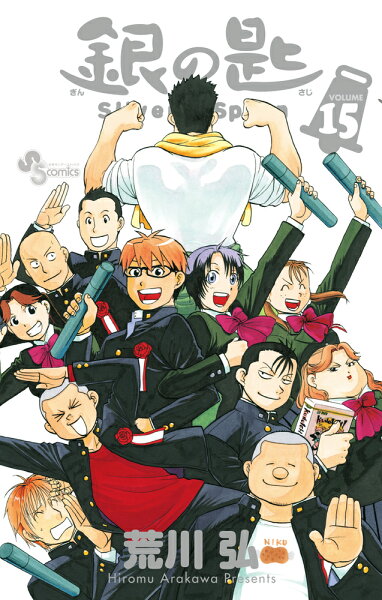
Silver Spoon
Yu's review of Silver Spoon — a city kid escapes to an agricultural high school to avoid his family, and discovers that farming, animal husbandry, and the people who feed the country have lessons no classroom ever taught him.
Slice of Life / Drama
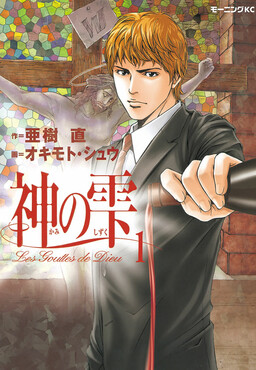
Drops of God
Yu's review of Drops of God — Shizuku Kanzaki, a young beer-company salesman who hates wine, has to identify the twelve 'Apostles' and a final wine called the Drops of God from his late father's will to inherit a legendary cellar, racing the adopted wine prodigy Issei Tomine. Written by Tadashi Agi, drawn by Shu Okimoto, complete in English from Kodansha.
Slice of Life / Drama
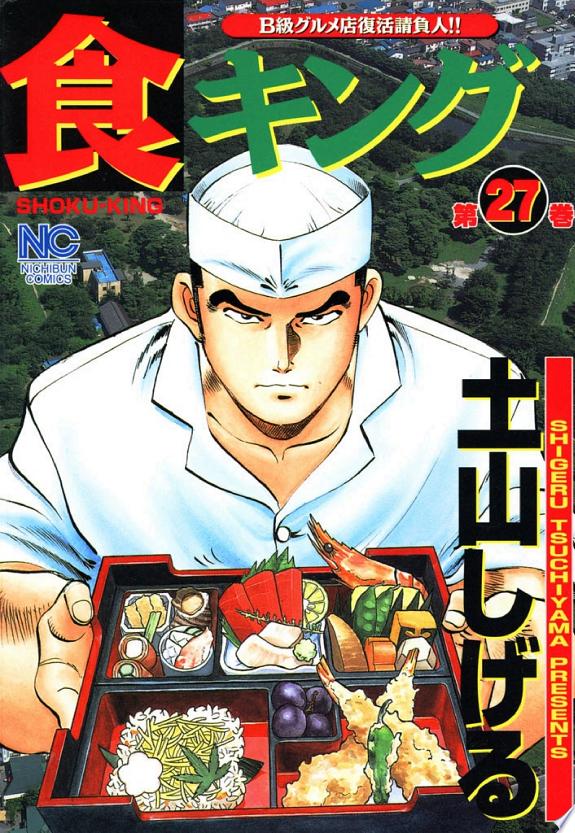
Shokuking
Shokuking follows Hideyoshi Kitajima, a former chef who travels Japan rescuing failing restaurants by reforming their cooking — a Tsuchiyama food manga that approached cuisine with the seriousness most manga reserve for sword combat.
Slice of Life / Drama
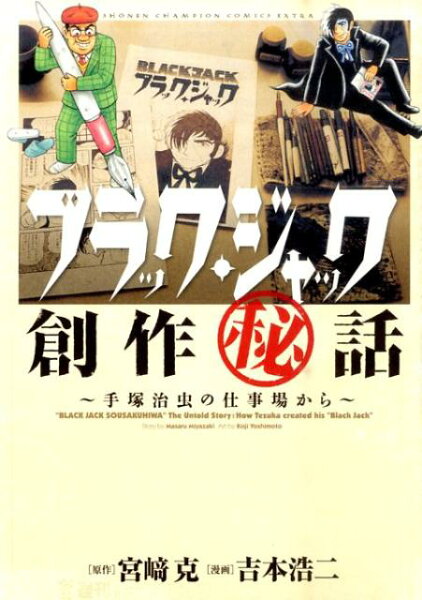
Black Jack Sousaku Hiwa
Black Jack Sousaku Hiwa is a documentary manga about how Osamu Tezuka created Black Jack — told through the editors and assistants who worked beside him, capturing both the genius and the human cost of his impossible work ethic.
Slice of Life / Drama
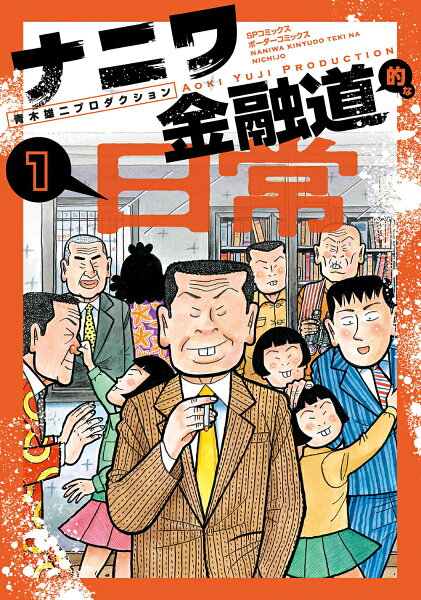
Naniwa Kinyuudo
Naniwa Kinyuudo follows new employee Ginji Mita at a small-loan finance company in Osaka — a manga that uses the world of moneylending and debt collection to create one of manga's most honest portraits of Japanese economic life.
Slice of Life
Nasu
Nasu collects Iou Kuroda's short manga stories — quiet, precise vignettes centered on food, travel, and the moments when ordinary life opens briefly into something larger, then closes again.
Written by
Yu
Manga Enthusiast from Japan
I grew up in Japan and manga literally saved me during a tough time in elementary school. My English isn't perfect, but my love for manga is real — and I want to share it with you.
Disclosure: This post contains affiliate links. As an Amazon Associate, I earn from qualifying purchases at no extra cost to you.