
Itazura na Kiss Review: The Classic Romance Where an Average Girl Pursues the School's Genius for Years
by Kaoru Tada
Read the first volume. If it doesn't hook you, put it down. It'll hook you.
Buy Itazura na Kiss on Amazon →*Affiliate link — I earn a small commission at no extra cost to you.
Quick Take
- The foundational classic of the "persistent girl pursues cold genius" shojo romance — every manga in this genre since owes something to Kotoko and Naoki
- The series follows them from high school through marriage and beyond, which is rare — most romance ends at the confession
- 23 volumes complete; a complete life-spanning romance from a manga that influenced the entire genre
Who Is This Manga For?
- Readers interested in the foundational text of shojo romance's cold-genius archetype
- Anyone who wants a romance that follows characters past the confession into the actual relationship
- Fans of classic 1990s Margaret magazine shojo
- Readers who can engage with the series' era-specific relationship conventions
Content Warnings & Age Rating
Age Rating: T (Teen) Content Warnings: Naoki's initial coldness and dismissiveness (era-specific male lead type); persistent pursuit by Kotoko; classic shojo conventions about relationships that may read differently by contemporary standards
T rating — classic shojo romance within teen standards. Context about the era helpful.
Yu's Rating
| Category | Score |
|---|---|
| Story Depth | ★★★★☆ |
| Art Style | ★★★☆☆ |
| Character Development | ★★★★★ |
| Accessibility for Non-Japanese Readers | ★★★★☆ |
| Reread Value | ★★★★☆ |
Story Overview
Kotoko Aihara is average at school, warm and determined. Naoki Irie is the top student in the nation, cold and dismissive. She confesses. He rejects her without particular consideration.
Then her house is destroyed by a meteorite and her father, lifelong friends with Naoki's father, accepts the offer to stay at the Irie home. Kotoko and Naoki are suddenly living in the same house.
The series follows what develops from proximity — Naoki's gradual acknowledgment of Kotoko, his own buried feelings, their marriage, and years of life together. The scope is unusual: most romance manga end when the couple gets together. Itazura na Kiss follows what happens after.
Characters
Kotoko Aihara — A protagonist whose persistence is the series' engine; she is specifically not passive — she keeps moving toward what she wants even after rejection, and the series treats this persistence as a genuine character strength rather than pathology.
Naoki Irie — The cold genius archetype at its origin — his walls, his actual feelings, and his gradual opening are developed across the full series rather than resolved in a few volumes.
Art Style
Tada's art is classic Margaret shojo — character designs of the era, expressive emotional faces, and visual storytelling that prioritizes character interaction over elaborate backgrounds. The art is dated by contemporary standards and entirely appropriate for a foundational classic.
Cultural Context
Itazura na Kiss ran in Margaret from 1990 to 1999, left incomplete due to Kaoru Tada's tragic death in 1999. The series was completed by her notes and husband's guidance. It has been adapted into anime multiple times and live-action dramas across Japan, Korea, and Taiwan — its reach beyond the manga is extraordinary. The cold-genius-meets-determined-average-girl structure it pioneered is now a standard shojo archetype.
What I Love About It
The series follows them past the wedding. Shojo manga's standard endpoint is the first kiss or the confession. Itazura na Kiss takes the couple through marriage, career changes, and family — and finds things to say about a long relationship that romance manga that ends at "I love you" cannot access.
What English-Speaking Fans Say
Western readers describe Itazura na Kiss as essential manga history — specifically noted for understanding where the cold-genius archetype originated, for the post-confession relationship content being unique in the genre, and for Kotoko being more genuinely capable and persistent than later imitations of her archetype. Recommended as foundational reading.
Memorable Scene ⚠️ Spoiler Warning
The moment Naoki acts on his feelings rather than suppressing them — when the series makes clear that his coldness was not indifference but something else — is the series' most satisfying payoff for everything that came before.
Similar Manga
- Boys Over Flowers — Similar era cold-rich-boy romance with persistent female lead
- Kare Kano — Margaret shojo romance from the same era with similar depth
- Hot Gimmick — Post-Itazura shojo with similar dynamic
- Maid Sama! — Later series in the direct tradition Itazura na Kiss established
Reading Order / Where to Start
Volume 1 — Kotoko's confession, the rejection, the house destruction, and the move-in happen in the first volume.
Official English Translation Status
Vertical Comics published the complete English series. All 23 volumes available.
Pros & Cons
Pros
- The foundational text of a major shojo archetype
- Follows the relationship past the initial romance
- Kotoko's persistence is treated as genuine strength
- Complete with full life arc
Cons
- Naoki's coldness reads poorly by contemporary standards
- Art is dated
- 23 volumes requires significant commitment
Format Comparison
| Format | Notes |
|---|---|
| Individual Volumes | Vertical Comics; complete series |
| Digital | Available |
Where to Buy
Read the first volume. If it doesn't hook you, put it down. It'll hook you.
This post contains affiliate links. If you purchase through these links, I may earn a small commission at no extra cost to you. As an Amazon Associate, I earn from qualifying purchases.
*Affiliate link — I earn a small commission at no extra cost to you.
More Manga You Might Like
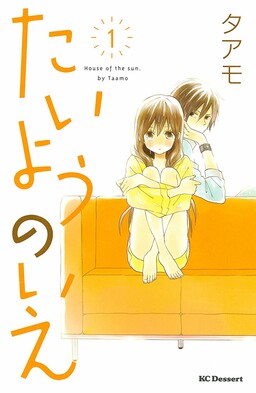
Romance / Slice of Life
House of the Sun (Taiyou no Ie)
Yu's review of House of the Sun (Taiyou no Ie) — Mao Motomiya, whose home life fell apart when her father remarried, finds herself staying at the house of Hiro, her cheerful childhood friend; his large, warm family gradually becomes the home she didn't know she needed, and the romance that develops is built on that foundation.
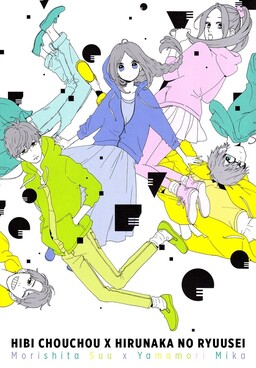
Romance
Hibi Chouchou: Everyday Butterflies
Yu's review of Hibi Chouchou: Everyday Butterflies — Suiren Shibazeki is so beautiful and quiet that people find her unapproachable; Kawasumi is so internally focused that he barely notices others; they notice each other, and what follows is one of the most unhurried and genuinely tender slow-burn romances in shojo manga.

Romance / Drama
Fruits Basket
Yu's review of Fruits Basket — a girl who has lost everything moves in with a family cursed to transform into animals of the Chinese zodiac, and slowly melts the ice that generations of abuse built around their hearts.
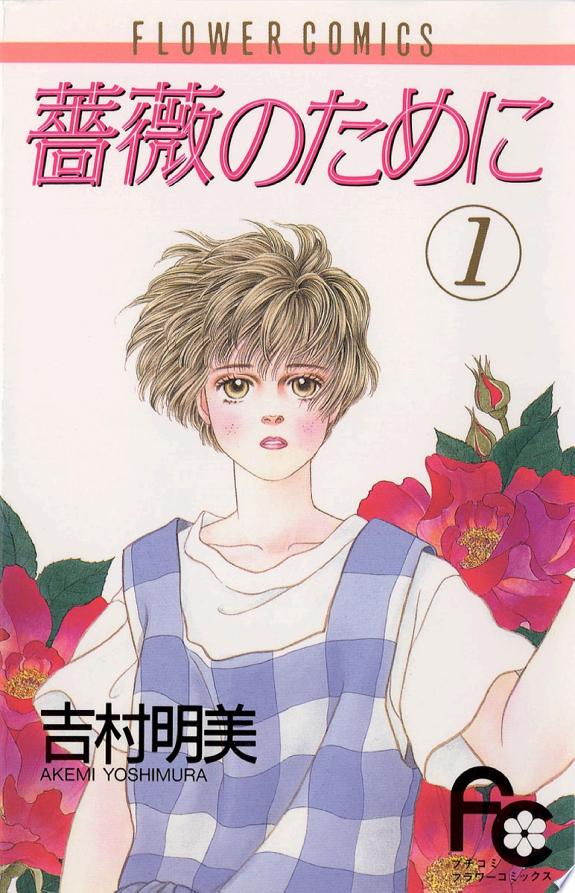
Romance / Drama
Bara no Tame ni
Bara no Tame ni follows Yuri Makurano, a plain, orphaned girl who learns her actress 'mother' is alive — along with three glamorous half-siblings — and a buried secret about her real parentage. An award-winning Shogakukan shojo drama by Akemi Yoshimura.
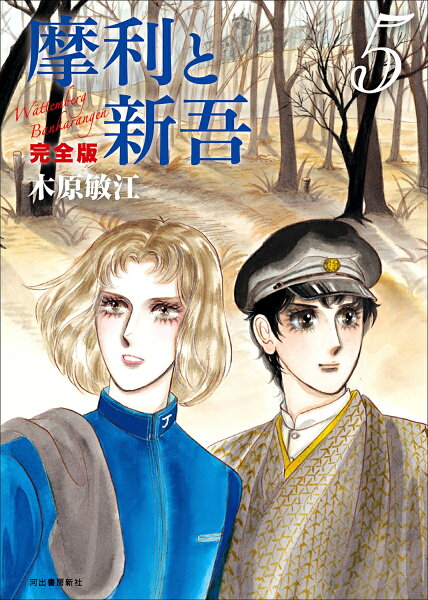
Romance / Historical
Mari to Shingo
Mari to Shingo follows two young men at an elite Taisho-era Japanese school — the aristocratic Mari and the street-smart Shingo — whose complicated bond defines the series and refuses to be categorized by the vocabulary available to either character.

Romance / Comedy
Yuukan Club
Yuukan Club follows six ultra-wealthy high school students who form the Leisure Club and stumble into mysteries, adventures, and romantic entanglements while maintaining an existence so extravagant it functions as its own genre of comedy.
Written by
Yu
Manga Enthusiast from Japan
I grew up in Japan and manga literally saved me during a tough time in elementary school. My English isn't perfect, but my love for manga is real — and I want to share it with you.
Disclosure: This post contains affiliate links. As an Amazon Associate, I earn from qualifying purchases at no extra cost to you.