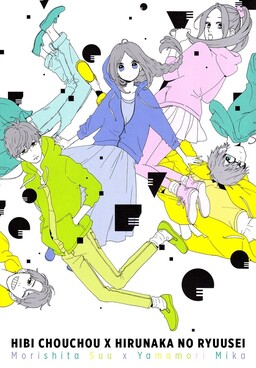
Hibi Chouchou Review: A Shy Martial Artist and a Quiet Boy Who Notices Her Fall Into the Slowest, Warmest Romance
by Suu Morishita
Read the first volume. If it doesn't hook you, put it down. It'll hook you.
Buy Hibi Chouchou: Everyday Butterflies on Amazon →*Affiliate link — I earn a small commission at no extra cost to you.
Quick Take
- One of shojo manga's purest slow-burn romances — Hibi Chouchou is about two people who notice each other before they can talk to each other, and the series takes its time with every incremental step toward connection
- Suu Morishita's art gives the series a visual delicacy that matches the emotional register — this is manga that communicates in glances and small gestures rather than dramatic declarations
- 12 volumes complete; for readers who want romance that respects the pace of real feeling
Who Is This Manga For?
- Readers who love slow-burn romance where the tension is in almost-connection rather than dramatic conflict
- Anyone who appreciates manga that communicates emotion visually and subtly
- Fans of quiet protagonists in both positions — both leads here are reserved rather than expressive
- Readers who want complete shojo with genuine emotional payoff
Content Warnings & Age Rating
Age Rating: T (Teen) Content Warnings: Shojo romance; karate club content with mild martial arts; slow development means limited dramatic incident
A very gentle T rating — this is one of the quietest romances in VIZ's catalog.
Yu's Rating
| Category | Score |
|---|---|
| Story Depth | ★★★★☆ |
| Art Style | ★★★★★ |
| Character Development | ★★★★★ |
| Accessibility for Non-Japanese Readers | ★★★★★ |
| Reread Value | ★★★★★ |
Story Overview
Suiren Shibazeki is considered untouchable by her classmates — not because she is cold, but because she is so beautiful and so quiet that people assume she doesn't want to be approached. She is actually lonely and would very much like to be approached.
Kawasumi is a karate club member who is so focused on his own practice and his own internal world that he barely registers other people. He is not unfriendly — simply absorbed.
These two people notice each other. The noticing takes chapters before it becomes a word. The words take chapters before they become regular conversation. Regular conversation takes chapters before it becomes explicit feeling. The series maintains this pace across twelve volumes, and it is exactly right.
Characters
Suiren Shibazeki — Her loneliness is the series' emotional foundation — she wants connection and has found herself in a prison of others' assumptions about her. Every small moment of genuine contact with Kawasumi carries the weight of that isolation.
Kawasumi — Not shy in the usual sense but absorbed — his noticing of Suiren is significant precisely because he barely notices most things. When someone occupies the attention of someone this internally focused, the reader understands its weight.
Supporting cast — Friends and karate club members who observe the two protagonists' non-development with varying degrees of exasperation and tenderness.
Art Style
Morishita's art is the series' most distinctive quality — delicate lines, attention to negative space, faces that communicate more in expression than in dialogue. The panel compositions give space for silence in ways that most manga's busier layouts don't allow. It is genuinely beautiful manga.
Cultural Context
Bessatsu Margaret has published some of shojo manga's most emotionally careful work, and Hibi Chouchou fits that tradition. The martial arts element (karate, specifically) gives the series a specific Japanese cultural grounding that also provides the practical context that brings Suiren and Kawasumi into proximity.
What I Love About It
Reading Hibi Chouchou requires adjusting your expectations of narrative pace, and it rewards that adjustment completely. The series made me notice how much shojo manga rushes to get to the declaration, when the space before the declaration is actually where the most interesting feeling lives.
What English-Speaking Fans Say
Western readers who discover Hibi Chouchou describe it as unlike other shojo they've read — the visual language and the pacing require genuine attention, and that attention is rewarded with a romance that feels true to how attraction actually develops in quiet people. It is consistently cited as one of the most re-readable shojo manga in VIZ's catalog.
Memorable Scene ⚠️ Spoiler Warning
The chapter where Kawasumi finally makes deliberate contact — not accidentally, not through circumstance, but through an active choice — is the series' most emotionally significant moment, and its understatement makes it more powerful than a dramatic declaration could be.
Similar Manga
- Kimi ni Todoke — Quiet female protagonist, similar gentle development
- My Love Story — Slow-developing romance, warmer comedic tone
- Waiting for Spring — Shy protagonist, similarly warm shojo
- Skip Beat! — Character depth and care, different energy
Reading Order / Where to Start
Volume 1 — The first meeting and first noticing are established immediately, and the slow-burn begins.
Official English Translation Status
VIZ Media published all 12 volumes. Complete and available.
Pros & Cons
Pros
- One of shojo manga's most beautiful art styles
- Emotional honesty about how slow real feeling develops
- Complete 12-volume run with genuine resolution
- Protagonists who are both quiet make for unusual and effective romantic dynamic
Cons
- Very slow pace will frustrate readers who want faster development
- Limited dramatic incident for 12 volumes
- Requires investment in visual storytelling as primary emotional carrier
Format Comparison
| Format | Notes |
|---|---|
| Individual Volumes | VIZ Media; complete |
| Digital | Available |
Where to Buy
Read the first volume. If it doesn't hook you, put it down. It'll hook you.
This post contains affiliate links. If you purchase through these links, I may earn a small commission at no extra cost to you. As an Amazon Associate, I earn from qualifying purchases.
*Affiliate link — I earn a small commission at no extra cost to you.
More Manga You Might Like
Romance
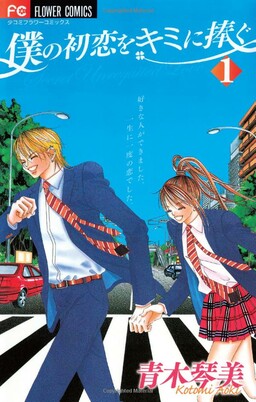
Kare First Love
Yu's review of Kare First Love — Karin Karino believes she is too plain to be seen — until Kiriya Aoi, the most popular boy at a nearby school, begins pursuing her with genuine interest; a shojo romance about a girl who has to learn to believe she's worth being chosen.

Romance
Honey So Sweet
Yu's review of Honey So Sweet — Nao Kogure is terrified of Taiga Onise, the scariest-looking boy in school, until she realizes he has been secretly looking after her because of a connection to her family; what follows is a gentle romance between a girl learning to receive care and a boy who has always expressed love through action rather than words.
Romance / Slice of Life
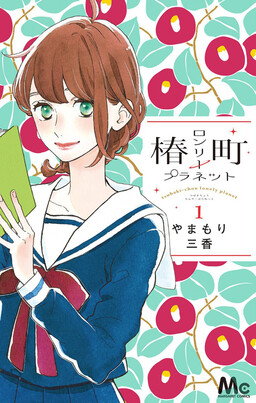
Tsubaki-chou Lonely Planet
Yu's review of Tsubaki-chou Lonely Planet — Fumi Ohara's father's gambling debts leave her without a home; she takes a job as a live-in housekeeper for Akatsuki Kibikino, a young novelist who works from home, has no patience for people, and is completely unprepared for someone like Fumi.
Romance
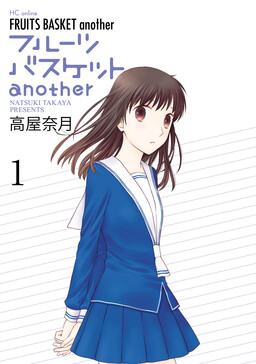
Fruits Basket Another
Yu's review of Fruits Basket Another — set in the next generation after the events of Fruits Basket, Sawa Mitoma is a girl with low self-esteem who encounters the children of the original series' characters; the story centers on Sawa finding her place and the friendships she makes with the new Sohma generation.
Romance / Comedy
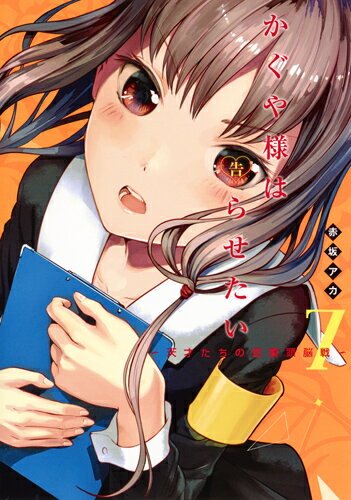
Kaguya-sama: Love Is War
Aka Akasaka's 28-volume romantic comedy (2015–2022) about Miyuki Shirogane and Kaguya Shinomiya, two student council officers at Japan's most elite high school who are both in love and both certain that whoever confesses first loses. Complete in English from VIZ Media.
Romance / Slice of Life
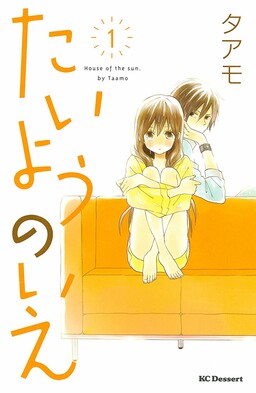
House of the Sun (Taiyou no Ie)
Yu's review of House of the Sun (Taiyou no Ie) — Mao Motomiya, whose home life fell apart when her father remarried, finds herself staying at the house of Hiro, her cheerful childhood friend; his large, warm family gradually becomes the home she didn't know she needed, and the romance that develops is built on that foundation.
Written by
Yu
Manga Enthusiast from Japan
I grew up in Japan and manga literally saved me during a tough time in elementary school. My English isn't perfect, but my love for manga is real — and I want to share it with you.
Disclosure: This post contains affiliate links. As an Amazon Associate, I earn from qualifying purchases at no extra cost to you.