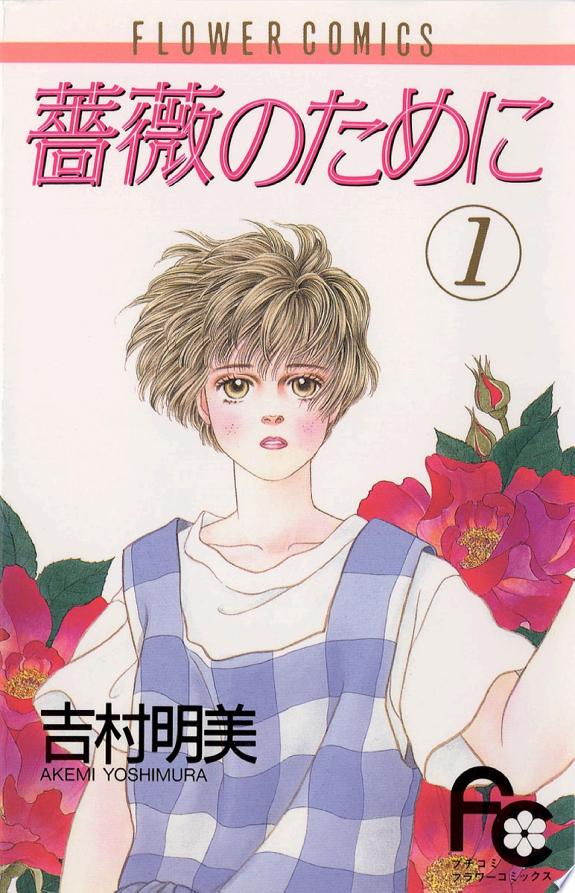
Bara no Tame ni Review: The Plain Heroine Who Outshone a Family of Beauties
by Akemi Yoshimura
Read the first volume. If it doesn't hook you, put it down. It'll hook you.
Buy Bara no Tame ni on Amazon →*Affiliate link — I earn a small commission at no extra cost to you.
I grew up convinced I was the plain one. In a room full of confident kids, I was the one who slid down in his chair, sure that nobody beautiful or loud would ever want me around. So when I finally read Bara no Tame ni and met Yuri — round-faced, insecure, dropped into a household of impossibly gorgeous people who barely tolerate her at first — I felt something tighten in my chest. I knew that feeling of being the odd one out in your own family.
This is a manga I almost skipped because the premise sounds like a soap opera, and honestly, it kind of is. But Akemi Yoshimura turns the melodrama into something I couldn't stop reading. It won the 1994 Shogakukan Manga Award for a reason.
Quick Take
- Akemi Yoshimura's award-winning Petit Comic shojo about an ordinary girl absorbed into a family of beautiful, broken people
- A family-secret melodrama with a real love triangle, a parentage twist, and one of shojo's most lovable "plain" heroines
- 16 volumes, rated T (Teen) — family drama, grief, and tangled romance, but nothing explicit
Story Overview
Yuri Makurano is alone. Her grandmother, the only family she had, has died — and in the letter she leaves behind, Yuri learns two impossible things: her mother is alive, and she is the famous actress Shouko Hanai. Yuri travels to the Hanayashiki family's mansion in Hokkaido and walks straight into a household of three dazzling half-siblings who did not ask for her and do not particularly want her.
At first she's treated more like a live-in maid than a daughter. But Yuri's relentless sincerity slowly wears the family down until she becomes their unlikely mascot. Then the floor drops out: the manga's central twist reveals that Yuri is not Shouko's biological child at all. She's the daughter of Shouko's friend Moeko — which means the only person she's actually blood-related to in that house is Aoi, the youngest son. Shaken, Yuri runs away, then comes back, because by now this strange family is the only one she has.
The back half is built around a love triangle and the slow thaw of the most damaged people in the house. Sumire, the eldest, is a widower-in-spirit who never recovered from losing his fiancée; Aoi, the prickly youngest, falls for the very sister he shares blood with. The story moves toward a wedding finale that pulls the entire cast back into one room — and a bittersweet epilogue that doesn't pretend everyone gets exactly what they wanted.
Characters
Yuri Makurano — The heart of the series. Plain-looking and deeply insecure about it, she's the opposite of the glamorous people around her, and Yoshimura never lets her become a secret beauty. Her arc is about earning a place she was never invited into through sheer goodness, surviving the revelation that her "mother" isn't her mother, and growing into someone the most guarded man in the house can finally love.
Sumire Hanayashiki — The eldest son, fathered by an American film director. He was emotionally destroyed by the death of his fiancée Seri and has stayed half-frozen ever since, drinking and keeping faith with a ghost. Yuri's warmth is what begins to pull him back to life, and his slow shift from grief to caring about her is the central romance.
Aoi Hanayashiki — The youngest, a long-haired beauty and the family's sharpest tongue. Bullied in childhood and raised apart, he's bitter and guarded. He's the one person who actually shares Yuri's blood, which makes his growing feelings for her the cruelest knot in the story. He's the one who has to step aside.
Fuyou Hanayashiki — The eldest daughter, beautiful and divorced, who has retreated from men into a comfortable, lazy domesticity. She dotes on Yuri and eventually finds her own quiet happiness with a mangaka named Nekokichi.
Shouko Hanai (Teruko Hanayashiki) — The mother. A self-absorbed, larger-than-life actress who looks decades younger than 46 and openly says she matters more to herself than her children do. Her arc — through a near-fatal pregnancy crisis — is about finally learning to love them.
What I Love About It
I love that Yoshimura refused to make Yuri pretty.
In so much shojo, the "plain" heroine takes off her glasses in chapter three and the whole school gasps. Bara no Tame ni never does that. Yuri stays ordinary-looking the entire way through, surrounded by siblings drawn like they stepped out of a fashion spread — and the manga makes that contrast the whole point. She isn't loved despite being plain and then rewarded with a makeover. She's loved because of who she is, while staying exactly who she looks like. For a kid who once believed beautiful people lived in a different world than mine, that landed harder than any glow-up scene ever could.
What deepens it is that the beautiful people around her are the broken ones. Sumire is paralyzed by grief, Aoi is poisoned by a childhood of being unwanted, Fuyou has given up on love, and Shouko is too selfish to parent. Yuri, the one with nothing and no looks, turns out to be the most whole person in the mansion. The manga quietly argues that the thing that makes a family survivable isn't beauty or money — it's the stubborn, unglamorous person who keeps showing up with kindness.
Memorable Scene ⚠️ Spoiler Warning
The turn I can't forget is the accident. After Yuri is injured, she lets slip her feelings for Sumire in her delirium — and in the same breath the truth comes out that she isn't actually his blood relation. It's the hinge the whole love triangle turns on: it forces Sumire to stop hiding behind the dead and admit he's fallen for the plain girl who brought his family back to life, and it's the moment Aoi loses, quietly, the sister he was never allowed to want.
What stays with me isn't the romance landing — it's Aoi stepping back. Yoshimura doesn't give him a tantrum or a tragedy. He just absorbs it. The epilogue even tells us he marries in his forties, long after, which is such an unsentimental, grown-up note to end a love triangle on. Nobody is destroyed; somebody simply waits a long time to be happy. That refusal to tie the loser off neatly is what makes the ending feel true.
Pros & Cons
Pros
- A genuinely plain heroine who's never given a magic makeover
- The family dynamic is messy and alive — every sibling has a real wound
- The love triangle resolves with adult, bittersweet maturity
- Yoshimura's comedy keeps the melodrama from collapsing into pure soap
Cons
- No official English release at all
- The setup is unapologetic 1990s shojo melodrama, secrets and all
- At 16 volumes, the mid-series "obstacle of the week" episodes can sag
- The half-sibling romance angle is the emotional engine — if that premise puts you off, this won't work for you.
Is Bara no Tame ni Worth Reading?
Yes — if you like character-driven shojo where the drama earns its tears. It's a melodrama on paper, but Yoshimura gives every glamorous, broken Hanayashiki a real wound and lets the plainest person in the room be the one who heals them. If you want a tidy fairy-tale romance or you bounce off family-secret soap operas, look elsewhere. As a warm, funny, surprisingly grown-up family drama, it's one of the best of its era.
Where to Buy
There's no licensed English edition yet — the Japanese print and digital release is the only legitimate way to read it. That just means you find it before everyone else does.
This post contains affiliate links. If you purchase through these links, I may earn a small commission at no extra cost to you. As an Amazon Associate, I earn from qualifying purchases.
*Affiliate link — I earn a small commission at no extra cost to you.
More Manga You Might Like

Romance / Drama
Fruits Basket
Yu's review of Fruits Basket — a girl who has lost everything moves in with a family cursed to transform into animals of the Chinese zodiac, and slowly melts the ice that generations of abuse built around their hearts.
Romance / Drama
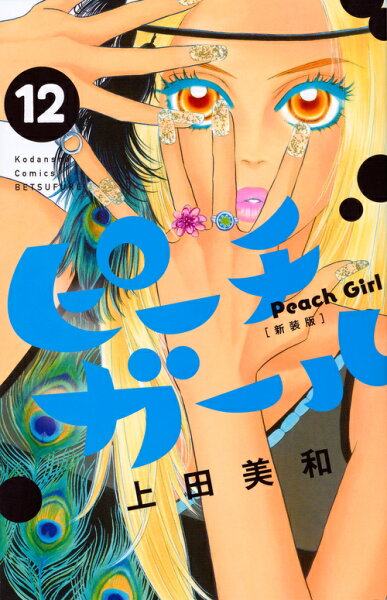
Peach Girl
Yu's review of Peach Girl — Momo Adachi's tan skin from swimming makes others assume she's a gyaru; her best friend Sae is actually her manipulative enemy; she is caught between two boys while Sae engineers situations against her.
Romance / Drama
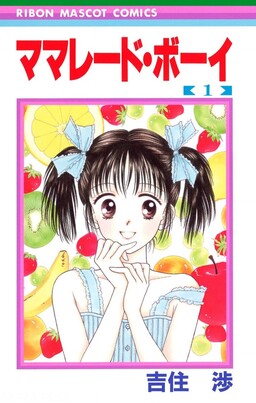
Marmalade Boy
Yu's review of Marmalade Boy — Miki Koishikawa's parents announce they are divorcing and remarrying other people; the other couple happens to have a son, Yuu, who moves into the same house; the series follows Miki's developing feelings for Yuu in this extremely unusual living situation.
Romance / Drama
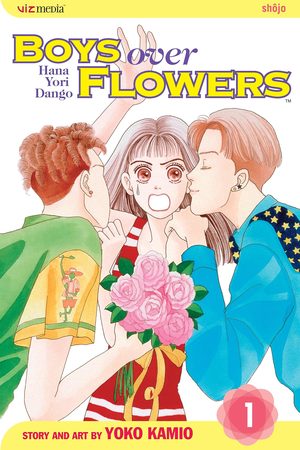
Boys Over Flowers (Hana Yori Dango)
Yu's review of Boys Over Flowers — Tsukushi Makino is a working-class scholarship student at Eitoku Academy, a school ruled by the F4. When she fights back against their bullying instead of breaking, she becomes the obsession of their leader, Tsukasa Domyoji.
Romance / Drama
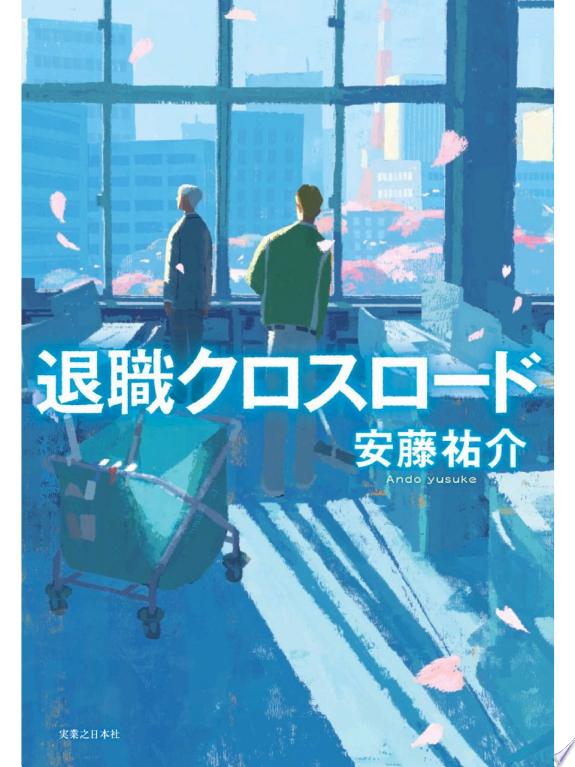
Crossroad
Yu's review of Crossroad — Kajitsu's mother has remarried, bringing Kajitsu into a new household with two stepbrothers: cold Natsu and warm Ao; as she navigates her new family life, she finds herself unexpectedly drawn to both and uncertain which feelings are real across 5 volumes.
Romance / Drama
Short Program
Short Program collects Mitsuru Adachi's short story manga — brief, precise studies of the moment when two people almost connect, or do connect, or miss each other by a margin that changes everything.
Written by
Yu
Manga Enthusiast from Japan
I grew up in Japan and manga literally saved me during a tough time in elementary school. My English isn't perfect, but my love for manga is real — and I want to share it with you.
Disclosure: This post contains affiliate links. As an Amazon Associate, I earn from qualifying purchases at no extra cost to you.