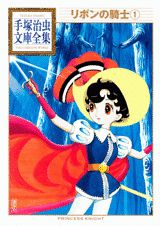
Princess Knight Review: The Manga That Invented the Magical Girl
by Osamu Tezuka
Read the first volume. If it doesn't hook you, put it down. It'll hook you.
Buy Princess Knight on Amazon →*Affiliate link — I earn a small commission at no extra cost to you.
Quick Take
- The manga that made modern shojo possible
- Tezuka writing for girls in a way no one else was
- Foundational text for the magical girl genre
Who Is This Manga For?
- Fans of emotionally rich storytelling with memorable characters
- Readers who enjoy complete series with satisfying conclusions
- Anyone interested in discovering hidden gems from manga's golden era
- People who like manga that stays with you long after the final page
Content Warnings & Age Rating
Age Rating: All Ages Content Warnings: mild-violence
Safe for most readers.
Yu's Rating
| Category | Score |
|---|---|
| Story Depth | ★★★★★ |
| Art Style | ★★★★★ |
| Character Development | ★★★★★ |
| Accessibility for Non-Japanese Readers | ★★★★☆ |
| Reread Value | ★★★★☆ |
Overall: 5/5 — A strong entry in its genre worth seeking out.
Story Overview
Princess Sapphire was born with two hearts — one boy, one girl — and is raised as a prince so she can inherit the kingdom. When her gender is exposed, she's hunted. She fights, falls in love, and travels to find a way to live as both halves of herself in a world that wants her to be one thing. Tezuka treats every transformation, every duel, every kiss with the same care.
Characters
The cast of Princess Knight is built around contrasting personalities that force each other to grow. The main character carries a mix of strength and vulnerability — enough to earn sympathy without feeling passive. Supporting characters each serve a distinct emotional function: some mirror the protagonist's flaws, others challenge their assumptions, and a few provide the warmth that makes the harder moments bearable.
Art Style
Osamu Tezuka's visual style suits the story it tells. Emotional moments land because facial expressions are drawn with real attention to subtlety — you rarely need dialogue to understand what a character is feeling. Background detail varies by scene, pulling back in quiet moments and getting tight and detailed when the stakes rise.
Cultural Context
Princess Knight comes from a tradition of Japanese storytelling that blends personal drama with broader themes — family loyalty, social pressure, and the courage it takes to be yourself. English readers will find most of this translates naturally; a few cultural notes in good translations help bridge any remaining gaps.
What I Love About It
Reading Princess Knight as an adult, I realized how much later shojo manga owes to it. The dueling identities, the secret love, the ridiculously dramatic fights — Tezuka invented the template that Sailor Moon and Utena would inherit. He took girls' adventures seriously when almost no one else did.
What English-Speaking Fans Say
Western readers who find this series often describe it as something they wish they'd found sooner. The emotional beats translate well; the universal themes of connection, loss, and growth resonate regardless of cultural background. Fans of similar series consistently recommend it as a must-read for genre newcomers and veterans alike.
Memorable Scene ⚠️ Spoiler Warning
There is a moment — usually in the middle or final act — where the story does something unexpected with a character you thought you understood. The setup is careful and patient. The payoff is sudden and complete. Readers report rereading earlier chapters afterward, finding all the foreshadowing they missed the first time.
Similar Manga
If you enjoyed Princess Knight, try:
- Fruits Basket by Natsuki Takaya — emotional depth and unforgettable characters
- Nana by Ai Yazawa — raw honesty about love and growing up
- Fullmetal Alchemist by Hiromu Arakawa — different genre, same quality of character writing
Reading Order / Where to Start
Start from volume 1. This series builds its world and characters carefully from the first chapter — jumping in anywhere else means losing the context that makes later moments land. Volume 1 is a very strong opening; if you're not hooked by the end of it, this series may not be for you.
Official English Translation Status
Princess Knight has been fully published in English. All 2 volumes are available.
Pros & Cons
Pros:
- Complete story with no wait for new volumes
- Strong character work and genuine emotional investment
- Art that serves the story without overwhelming it
Cons:
- Less known outside core manga fandom — harder to find in physical stores
- Some tropes of its era may feel dated to modern readers
Format Comparison
| Format | Pros | Cons |
|---|---|---|
| Physical | Best art reproduction | May require ordering online |
| Digital | Instant access, cheaper | Less collector value |
| Used | Very affordable | Condition and availability vary |
Where to Buy
Read the first volume. If it doesn't hook you, put it down. It'll hook you.
This post contains affiliate links. If you purchase through these links, I may earn a small commission at no extra cost to you. As an Amazon Associate, I earn from qualifying purchases.
*Affiliate link — I earn a small commission at no extra cost to you.
More Manga You Might Like
Fantasy
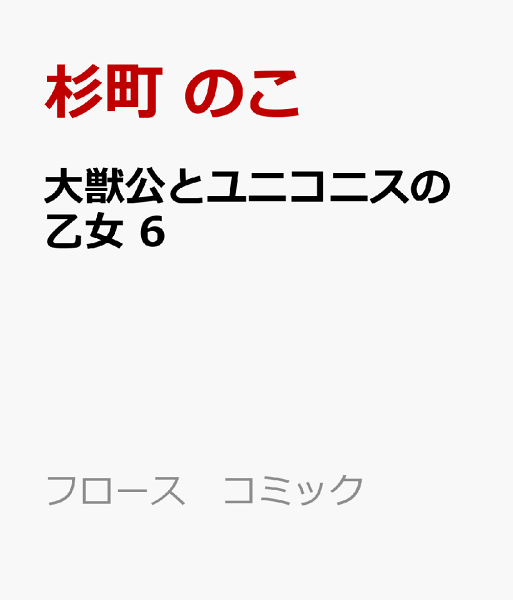
Unico
Unico is a small unicorn with the power to make anyone who meets him happy — which is why the gods condemn him to be carried across time by the West Wind, stripped of all memories and relationships, forbidden to stay anywhere long enough to be loved.
Fantasy / Slice of Life
The Star of Cottonland
The Star of Cottonland follows Chi, a small stray kitten who believes with complete sincerity that she is a human child temporarily in cat form — Yumiko Oshima's beloved shojo classic about identity, belonging, and the particular consciousness of cats.
Fantasy / Supernatural
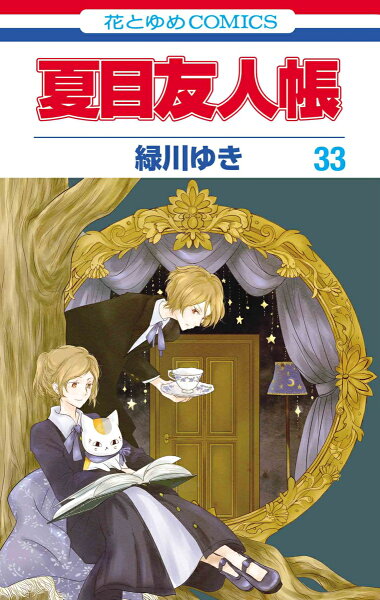
Natsume's Book of Friends
Yu's review of Natsume's Book of Friends — a teenager who can see spirits inherits a book from his deceased grandmother containing the names of spirits she had bound to her, and must return those names while navigating a world of supernatural beings and the human world he never quite fit into.
Fantasy / Magical Girl
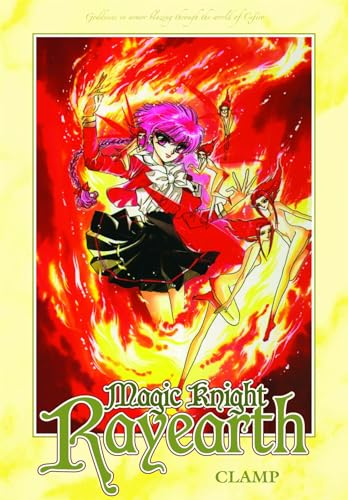
Magic Knight Rayearth
A review of CLAMP's Magic Knight Rayearth — six volumes (Part 1 + Part 2) running in Nakayoshi 1993–1996, a magical-girl manga where the rescue mission is the trap and the real story is what happens after. Complete in English from Dark Horse.
Fantasy / Magical Girl
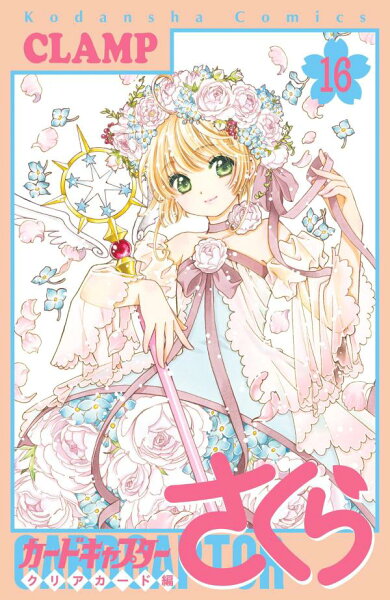
Cardcaptor Sakura
Yu's review of Cardcaptor Sakura — a ten-year-old girl accidentally releases the Clow Cards, has to capture them all, transforms them into her own, and along the way the manga quietly becomes one of CLAMP's warmest, most generous stories about love.
Romance / Fantasy
Fushigi Yugi
A review of Fushigi Yugi, the classic isekai romance manga about a girl transported to ancient China who becomes the Priestess of Suzaku.
Written by
Yu
Manga Enthusiast from Japan
I grew up in Japan and manga literally saved me during a tough time in elementary school. My English isn't perfect, but my love for manga is real — and I want to share it with you.
Disclosure: This post contains affiliate links. As an Amazon Associate, I earn from qualifying purchases at no extra cost to you.