GE: Good Ending Review — The Romance That Lets the Hero Pick the Wrong Girl First
by Kei Sasuga
Read the first volume. If it doesn't hook you, put it down. It'll hook you.
Buy GE: Good Ending on Amazon →*Affiliate link — I earn a small commission at no extra cost to you.
I was the kid who hid. When I had a crush in school, I never said a word — I just watched from a distance and made up reasons why it was safer that way. So the first chapter of GE: Good Ending hit a nerve I wasn't ready for. A timid boy spying on the person he likes from the edge of a tennis court, terrified of being seen. I knew that boy. I was that boy.
That boy is Seiji Utsumi, and the cruel, perfect joke of this manga is that the one who catches him peeping becomes the one who teaches him how to love — and then, slowly, becomes the one he loves. I came in expecting a light high-school romance. What I got was four years of serialization watching a coward learn to be a person, taking the worst possible route to get there.
Quick Take
- Seiji crushes on tennis-club senpai Shou; classmate Yuki catches him, becomes his love coach, and then his real feelings — a love triangle that turns into something messier than it sounds
- Kei Sasuga's debut serial (he later did Domestic Girlfriend) — emotionally honest about teenagers being selfish, indecisive, and getting swept along
- Age rating: M (Mature) — there is real sexual content and a heavy subplot about past sexual trauma; this is not a sweet PG romance
Story Overview
On the first day of a new semester, Seiji Utsumi watches the tennis club's morning practice, hopelessly into a member named Shou Iketani. He's spotted and accused of peeping by Yuki Kurokawa — a girl from the same club who ends up in his class. Once Yuki realizes his feelings are sincere, she pulls him into the club and appoints herself his coach: teaching him how to talk to girls, how to go on a date, how to stop being a spectator in his own life.
The trap is obvious to everyone except Seiji. The more time he spends being tutored in love by Yuki, the more it's Yuki he wants — and Yuki, guarded and reluctant about relationships for reasons that come out later, keeps pushing him back toward Shou. This is where GE stops being a cute premise and starts being a long, uncomfortable, four-year arc.
Crucially, Sasuga doesn't take the easy road. Seiji and Yuki do get together — and then they break apart. In the wreckage, it's Shou who comforts him, and the two of them end up dating instead. The manga spends a real chunk of its middle stretch with Seiji in the "wrong" relationship while Yuki circles back. The ending earns its title literally: after everything, Seiji and Yuki end up together, Yuki tells him on a beach that as long as she's with him, that's a good ending, and the series flashes forward to the two of them married years later with a son. It's a happy ending you have to wade through a lot of mess to reach.
Characters
Seiji Utsumi is, by design, frustrating. He starts as a passive, cowardly boy who gets "swept up in the mood" rather than choosing anything, and the whole series is the slow grind of him becoming someone who can actually decide. If you need a confident protagonist, he'll drive you up a wall. If you've ever been the indecisive one, he's painfully recognizable. His arc — awkward teenager to someone who can finally end things honestly and commit — is the spine of the book.
Yuki Kurokawa is the most complicated character and the reason the manga is rated for adults. She's the tennis-club member who catches Seiji and becomes his coach, sharp and warm on the surface but deeply hesitant about being loved. That hesitation has a source: a traumatic experience in middle school where she was filmed without consent. Sasuga uses it to explain her walls, though how the manga handles the resulting intimacy between her and Seiji is genuinely uncomfortable and has drawn real criticism (more on that below).
Shou Iketani starts as the unreachable crush and becomes something sadder. She's the popular tennis senpai Seiji idolizes from afar — and then, in the back half, she's the girl who comforts him after his breakup and becomes his actual girlfriend. Her arc is the tragedy of being the "second choice" made real: she gets the boy, but never gets to be the one he's looking for. She's also pulled at by Kento, who tries to win her back, which makes her relationship with Seiji even shakier.
What I Love About It
What I love about GE is that it refuses to let Seiji off the hook, and it refuses to let me off the hook either. The premise — a girl coaching a boy on how to win another girl — could have been a hundred episodes of harmless comedy. Instead Sasuga uses it as a slow vice. Every "lesson" Yuki gives Seiji is also a moment they spend together, and you watch his crush quietly migrate from the girl on the court to the girl standing next to him. The manga is honest about how messy and accidental real feelings are — Seiji doesn't decide to fall for Yuki, it just happens to him, the way it happens to actual cowardly teenagers.
The part that stays with me is the structural bravery of putting Seiji in the wrong relationship for so long. Most romance manga would never let the hero actually date the "rejected" love interest. GE does. It makes Shou a real girlfriend, gives the relationship time and tenderness, and forces Seiji to live in the consequence of his own indecision instead of skipping to the happy ending. I'm not always sure the manga handles every beat well — the back half wobbles, and the trauma subplot is heavier and more questionable than the breezy opening suggests — but I respect that it made the easy romance hard on purpose. It treats first love as something you can get wrong and still survive.
Memorable Scene ⚠️ Spoiler Warning
Spoiler Warning: The scene I can't shake is Seiji breaking up with Shou.
By this point in the series, Seiji is dating Shou — the very girl he idolized in chapter one — but Yuki has told him she still has feelings for him, and Seiji can't stop being pulled back toward her. The breakup is the moment the manga's whole structure pays off. Shou makes one last advance, and Seiji resists it and tells her plainly that he's come to end the relationship. Both of them are shown crying.
What makes it land is the cruelty of the symmetry. Shou is the dream he chased from a distance for the entire first stretch of the manga, and now he's the one walking away from her, choosing the girl who was supposed to just be his coach. There's no villain in the scene, no one to blame — just two people who got each other at the wrong time, both hurt, both honest. After all the comedy of a clueless boy fumbling toward love, GE lets him do one genuinely grown-up, painful thing, and it costs everyone tears to get there.
Pros & Cons
Pros:
- A love triangle with real structural nerve — the hero actually dates the "wrong" girl and lives the consequences
- Seiji's slow growth from coward to someone who can choose is genuinely earned over 16 volumes
- An ending that literally delivers on the title — they marry, years later, with a son
- Emotionally honest about teenagers being selfish and indecisive
Cons:
- Seiji is passive and exhausting on purpose — some readers will lose patience with him
- The final arc feels rushed compared to the careful buildup
- The handling of Yuki's trauma and the intimacy that follows is heavy and, to many readers, mishandled
- It's a long love-triangle drama with mature content — that's either the appeal or the dealbreaker, and it won't work for everyone
Is GE: Good Ending Worth Reading?
If you want a clean, sweet school romance, this isn't it — Seiji's indecision and the mature, sometimes uncomfortable subject matter will frustrate you. But if you want a romance brave enough to let its hero pick wrong, hurt people, and grow up the slow way before earning the ending its title promises, GE: Good Ending is worth the 16 volumes. Go in knowing it's rated for adults.
Content Warnings & Age Rating
Age Rating: M (Mature) Content Warnings: Sexual content, themes of past sexual trauma (a character was filmed without consent in middle school), romantic drama, love triangles.
This is not a PG romance. The mature content is woven into the emotional core, not incidental.
Where to Buy
Read the first volume. If it doesn't hook you, put it down. It'll hook you.
This post contains affiliate links. If you purchase through these links, I may earn a small commission at no extra cost to you. As an Amazon Associate, I earn from qualifying purchases.
*Affiliate link — I earn a small commission at no extra cost to you.
More Manga You Might Like

Slice of Life / Romance
Teasing Master Takagi-san
Yu's review of Teasing Master Takagi-san — Takagi teases her desk neighbor Nishikata every single day; he keeps making plans to get back at her; she always wins; the series is about two middle school students who are clearly in love with each other before either of them knows how to say it.
Slice of Life / Drama
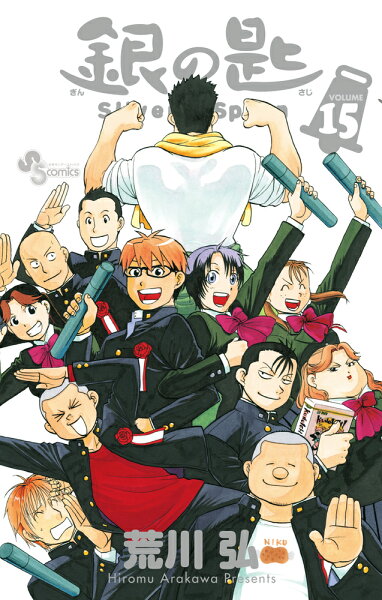
Silver Spoon
Yu's review of Silver Spoon — a city kid escapes to an agricultural high school to avoid his family, and discovers that farming, animal husbandry, and the people who feed the country have lessons no classroom ever taught him.
Slice of Life / Romance
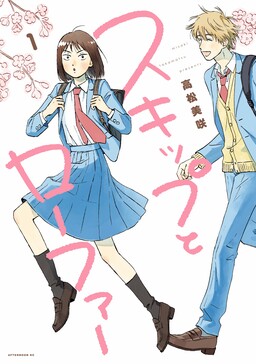
Skip and Loafer
A comprehensive review of Skip and Loafer — plot, characters, art style, and whether it's worth reading.
Slice of Life / Drama
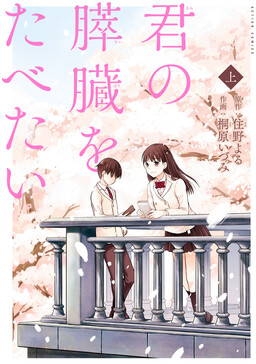
I Want to Eat Your Pancreas
Yu's review of the I Want to Eat Your Pancreas manga — Idumi Kirihara's adaptation of Yoru Sumino's novel. A withdrawn boy finds classmate Sakura Yamauchi's secret diary and learns she's dying of a pancreatic illness. She chooses him precisely because he won't treat her like a dying girl. Seven Seas collected the two Japanese volumes into one English omnibus.
Slice of Life / Mystery
Hyouka
Yu's review of the Hyouka manga — Hotaro Oreki lives by the motto 'if I don't have to do it, I won't; if I do have to do it, make it quick,' but Eru Chitanda's 'I'm curious!' keeps dragging him into the small mysteries of the Classic Literature Club. Adapted by Task Ohna from Honobu Yonezawa's novels.
Slice of Life
Maria Watches Over Us (Marimite)
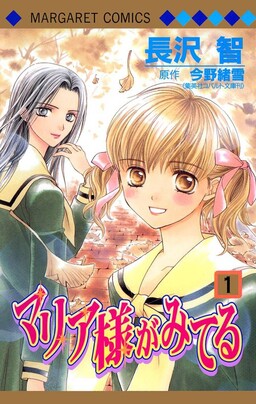
Yu's review of Maria Watches Over Us — Yumi is a first-year student at the Lillian Girls' Academy, a Catholic school with a tradition of 'soeur' relationships between older and younger students; she is noticed by the beautiful third-year Sachiko; Nagasawa's adaptation of Konno's beloved light novel about ritual, belonging, and the specific intensity of all-girls school friendships.
Written by
Yu
Manga Enthusiast from Japan
I grew up in Japan and manga literally saved me during a tough time in elementary school. My English isn't perfect, but my love for manga is real — and I want to share it with you.
Disclosure: This post contains affiliate links. As an Amazon Associate, I earn from qualifying purchases at no extra cost to you.