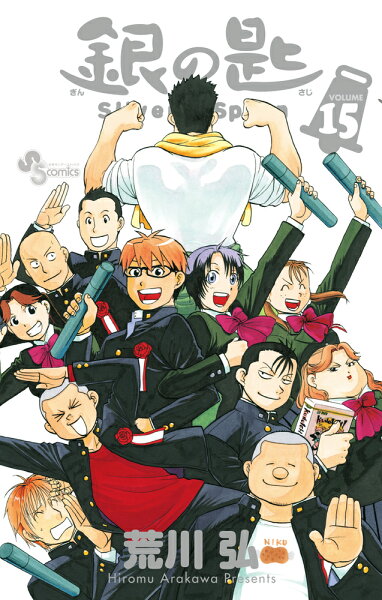
Silver Spoon Review: The Manga That Made Me Think About Where Food Comes From
by Hiromu Arakawa
Read the first volume. If it doesn't hook you, put it down. It'll hook you.
Buy Silver Spoon on Amazon →*Affiliate link — I earn a small commission at no extra cost to you.
Quick Take
- The author of Fullmetal Alchemist writes about agricultural high school — and the result is funnier, more human, and more philosophically interesting than that description suggests
- A manga about food, animals, ambition, failure, and what it means to figure out what you actually want from your life
- 15 volumes, complete, from one of manga's greatest authors
Who Is This Manga For?
- Readers who loved Fullmetal Alchemist and want more Arakawa
- Anyone who has ever been pushed toward a future they did not choose
- Fans of school slice-of-life with real character development
- Readers who eat food and have never thought seriously about where it comes from
Content Warnings & Age Rating
Age Rating: T (Teen) Content Warnings: Animal death in a farm context (pigs raised for slaughter, this is handled honestly and deliberately); themes of academic pressure and parental expectations
The animal content is the most notable — Arakawa does not let you look away from the reality of farming, and that is part of the point.
Yu's Rating
| Category | Score |
|---|---|
| Story Depth | ★★★★★ |
| Art Style | ★★★★☆ |
| Character Development | ★★★★★ |
| Accessibility for Non-Japanese Readers | ★★★★☆ |
| Reread Value | ★★★★☆ |
Story Overview
Yuugo Hachiken applied to Yezo Agricultural High School because it was far from home. It has dormitories. His family, his father, his expectations — he can escape all of it. He does not care about farming.
Except that Yezo is a real school with real classes in animal husbandry, crop management, and agricultural business, and Hachiken — a Tokyo kid who has only been defined by academic performance — has no skills here. His classmates have grown up on farms. They know how to do things with their hands.
He also adopts a piglet. He names it Pork Bowl. Pork Bowl is going to be slaughtered.
Silver Spoon uses this setup to ask questions about where food comes from, what it means to be in the food chain, whether it is possible to care for an animal you know will be killed, and what kind of future is worth working toward. It asks these questions through a comedy about teenagers learning to make pizza and operate dairy equipment, which is exactly the right way to ask them.
Characters
Yuugo Hachiken — One of the most specific protagonists in slice-of-life manga. A boy who has been performing excellence his whole life and does not know what he actually wants. His arc across 15 volumes is one of the most satisfying in Arakawa's catalog.
Aki Mikage — The girl Hachiken likes; a horsewoman from a farming family who is passionate about horses and unclear about her future. Her arc about family obligation versus personal dreams is the manga's romantic and thematic center.
Ichiro Komaba — A baseball-focused student with a farm family in financial trouble. His storyline is one of the most emotionally difficult things in the manga.
Keiji Tokiwa — A sausage-obsessed student who becomes one of Hachiken's closest friends. His enthusiasm is genuine comedy.
Art Style
Arakawa's art here is more grounded than in Fullmetal Alchemist — less fantastical, more focused on the physical reality of farm work and animals. The animals are drawn with the care of someone who grew up around them. Hokkaido's agricultural landscape is rendered with love for its specific scale and bleakness. The comedy sequences use her trademark expressive faces well.
Cultural Context
Hokkaido, Japan's northernmost main island, has a distinct agricultural culture — the landscape is different from the rest of Japan, the farms are larger, the winters are harsher. Agricultural high schools are real and are attended by students from farming families as well as students who are interested in agriculture for other reasons. Arakawa grew up on a farm in Hokkaido, and the authenticity of the setting is evident throughout.
What I Love About It
Pork Bowl is the center of this manga's moral universe. Hachiken names the piglet, cares for it, watches it grow, and knows from the beginning that it will be slaughtered. The question of whether he can eat it — and what it means if he can or cannot — is one of the most honest and uncomfortable questions slice-of-life manga has ever asked.
Arakawa does not let him off the hook. She does not let the reader off the hook. And she does it with warmth and comedy and care, so it lands as genuine rather than punitive.
What English-Speaking Fans Say
Western readers who know Arakawa from Fullmetal Alchemist are often surprised by how much they love Silver Spoon — it is so different in genre and tone, and so quietly profound in what it chooses to engage with. It is frequently recommended as a hidden gem for people who want something warm but substantive. The Pork Bowl arc is cited as one of the most emotionally affecting things in recent manga.
Memorable Scene ⚠️ Spoiler Warning
When Hachiken eats the sausage made from Pork Bowl — what he feels, what he says, and what he understands about farming and food and gratitude in that moment — is the manga's defining scene. It is not what I expected when I started reading. It is one of the most honest scenes in the genre.
Similar Manga
- Barakamon — Similar theme of city person finding themselves in rural Japan
- Fullmetal Alchemist — Same author; completely different in tone and genre
- Yotsuba&! — Similar warmth and curiosity about ordinary things
- Dungeon Meshi — Food as subject matter; very different setting
Reading Order / Where to Start
Volume 1. The setup is immediate and the comedy is present from chapter one.
Official English Translation Status
Yen Press published the complete 15-volume series in English. All volumes available.
Pros & Cons
Pros
- Hiromu Arakawa's craft is evident on every page
- Genuinely honest about farming and food in ways most manga avoid
- Character development that feels earned across 15 volumes
- Complete series with a real, satisfying ending
Cons
- The Pork Bowl arc will distress some readers (the outcome is what you think)
- Some agricultural terminology and context may need outside research
- Romantic subplot resolves slowly
Format Comparison
| Format | Notes |
|---|---|
| Individual Volumes | Standard release; fine |
| Digital | Works well |
| Physical | Recommended for the landscape art |
Where to Buy
Read the first volume. If it doesn't hook you, put it down. It'll hook you.
This post contains affiliate links. If you purchase through these links, I may earn a small commission at no extra cost to you. As an Amazon Associate, I earn from qualifying purchases.
*Affiliate link — I earn a small commission at no extra cost to you.
More Manga You Might Like

Slice of Life / Drama
Drops of God
Yu's review of Drops of God — Shizuku Kanzaki, a young beer-company salesman who hates wine, has to identify the twelve 'Apostles' and a final wine called the Drops of God from his late father's will to inherit a legendary cellar, racing the adopted wine prodigy Issei Tomine. Written by Tadashi Agi, drawn by Shu Okimoto, complete in English from Kodansha.
Slice of Life / Drama
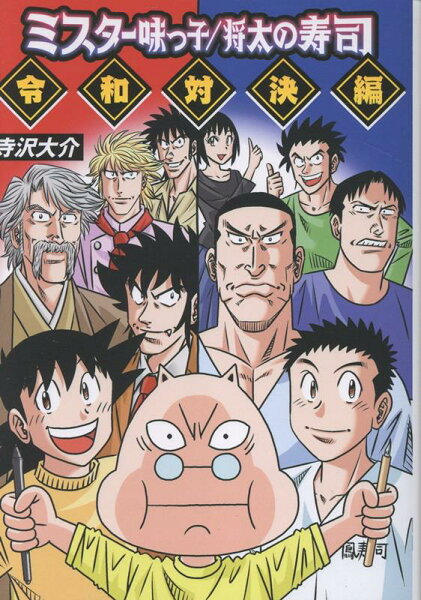
Shota no Sushi
A review of Daisuke Terasawa's Shota no Sushi (将太の寿司) — 27 volumes in Weekly Shōnen Magazine from 1992 to 1997. A Hokkaido boy trains at Tokyo's finest sushi restaurant, learns from masters, and competes at the highest levels of Japanese culinary craft.
Slice of Life / Drama
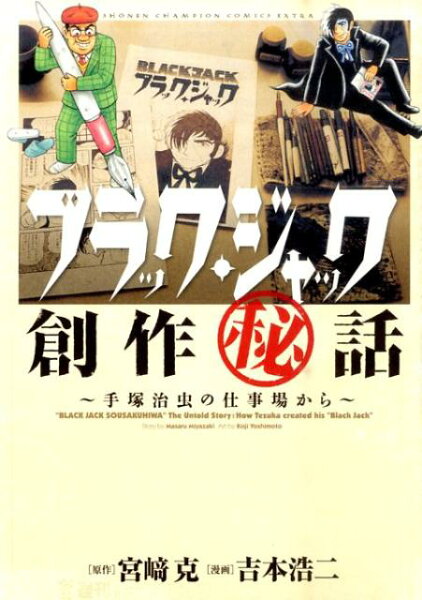
Black Jack Sousaku Hiwa
Black Jack Sousaku Hiwa is a documentary manga about how Osamu Tezuka created Black Jack — told through the editors and assistants who worked beside him, capturing both the genius and the human cost of his impossible work ethic.
Slice of Life / Drama
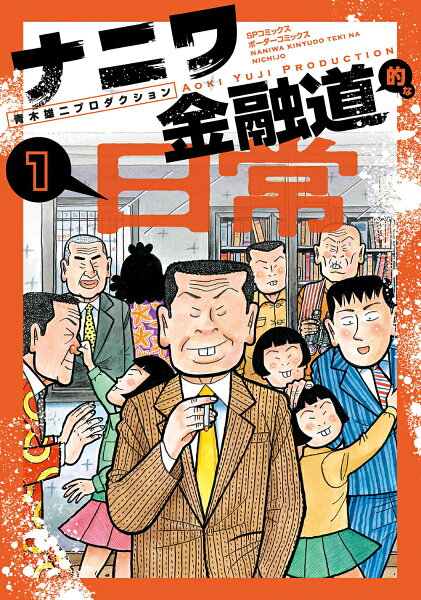
Naniwa Kinyuudo
Naniwa Kinyuudo follows new employee Ginji Mita at a small-loan finance company in Osaka — a manga that uses the world of moneylending and debt collection to create one of manga's most honest portraits of Japanese economic life.

Slice of Life
Nasu
Nasu collects Iou Kuroda's short manga stories — quiet, precise vignettes centered on food, travel, and the moments when ordinary life opens briefly into something larger, then closes again.
Slice of Life / Drama
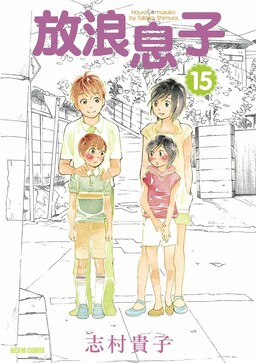
Wandering Son
Yu's review of Wandering Son — Shuichi Nitori is a boy who wants to be a girl; his new friend Yoshino Takatsuki is a girl who wants to be a boy; the manga follows both of them from elementary school through adolescence as they navigate gender identity, friendship, and growing up; a gentle, serious work about transgender experience.
Written by
Yu
Manga Enthusiast from Japan
I grew up in Japan and manga literally saved me during a tough time in elementary school. My English isn't perfect, but my love for manga is real — and I want to share it with you.
Disclosure: This post contains affiliate links. As an Amazon Associate, I earn from qualifying purchases at no extra cost to you.