
Teasing Master Takagi-san Review: A Girl Teases Her Classmate Every Day, and He Keeps Trying to Get Back at Her, and Failing
by Soichiro Yamamoto
Read the first volume. If it doesn't hook you, put it down. It'll hook you.
Buy Teasing Master Takagi-san on Amazon →*Affiliate link — I earn a small commission at no extra cost to you.
Quick Take
- A middle school girl teases her classmate daily; he fails to retaliate; they are clearly in love; the manga is 20 volumes of this and it never gets old
- Soichiro Yamamoto's gift is making the same dynamic — tease, counter-attempt, loss, hint of feeling — feel fresh in every chapter
- Complete, wholesome, and one of the warmest manga ever published
Who Is This Manga For?
- Readers who want pure feel-good slice of life with no darkness
- Anyone who wants to experience the slow development of young love in its most charming form
- Fans of the anime who want more chapters
- Readers of any age — this is genuinely all-ages content
Content Warnings & Age Rating
Age Rating: All Ages Content Warnings: None
The cleanest manga on this site. Safe for anyone.
Yu's Rating
| Category | Score |
|---|---|
| Story Depth | ★★★☆☆ |
| Art Style | ★★★★☆ |
| Character Development | ★★★★☆ |
| Accessibility for Non-Japanese Readers | ★★★★★ |
| Reread Value | ★★★★★ |
Story Overview
Middle school. Desk neighbors. Takagi, who is sharp, perceptive, and apparently delighted by the specific mortification of Nishikata. Nishikata, who plans elaborate counter-teases that Takagi always sees coming and always defeats before they land.
Every chapter is a variation on this. They walk to school, they have gym class, they go to the library, they celebrate festivals, they take tests. And in every situation, Takagi finds an opportunity to make Nishikata embarrassed, and Nishikata finds an opportunity to fail to make Takagi embarrassed.
The romance is present from the first chapter. Takagi's teasing is her way of being close to Nishikata. Nishikata's endless counter-plans are his way of getting her attention. Neither of them has to say any of this for the reader to know it.
Characters
Takagi — One of manga's finest love interests. She is always three steps ahead of Nishikata, she clearly cares about him, and the specific form her caring takes — teasing as intimacy — is the series' central warmth. Her occasional genuine moments, when the teasing drops and something real shows, are the chapters that made this series a phenomenon.
Nishikata — His plans are always wrong, his predictions always fail, and his specific inability to understand that Takagi likes him is the series' longest-running joke. He is not stupid — the reader can see that he feels something too; he just cannot name it yet.
Art Style
Yamamoto's art is clean and light — the middle school setting is drawn with careful attention to the small details of school life, the character expressions are precisely calibrated (Takagi's smile is the series' most important visual element), and the chapter structure of setup/attempt/defeat/moment is paced with exact economy.
Cultural Context
The middle school setting is specific to Japanese education — the classroom desk neighbor relationship (which cannot be chosen), the classroom cleaning duties, the school festival — and these settings become the architecture of the teasing. Each setting gives Takagi a new context to work with.
What I Love About It
The chapter endings. Yamamoto consistently ends chapters on a moment — a held look, a small smile, a question that does not get answered — that is neither a cliffhanger nor a resolution but something closer to the feeling of almost saying something. He does this every chapter for 20 volumes. The feeling never diminishes.
What English-Speaking Fans Say
Western readers describe Teasing Master Takagi-san as "comfort manga" — something to return to when everything else is difficult. The Takagi character is consistently described as one of the most charming characters in any manga. The sequel series (with Takagi and Nishikata as adults) is also praised.
Memorable Scene ⚠️ Spoiler Warning
The sequence near the end of the series — when the teasing structure momentarily reverses and Nishikata says something that makes Takagi react in a way she cannot control — is the series' most affecting single chapter and the one most readers cite as the moment they understood what the series had been doing for 20 volumes.
Similar Manga
- Komi Can't Communicate — School slice of life, central relationship that develops slowly
- Aharen-san wa Hakarenai — Communication quirk as romance engine, wholesome
- My Little Monster — School romance, unconventional dynamic
- Karakai Jouzu no (Moto) Takagi-san — The adult sequel; same characters
Reading Order / Where to Start
Volume 1, chapter 1 — the structure establishes in the first chapter.
Official English Translation Status
Yen Press published the complete 20-volume series. All volumes available.
Pros & Cons
Pros
- 20 volumes, complete
- The core dynamic never gets stale despite the structure's repetition
- Takagi is one of manga's most charming characters
- All-ages content — genuinely suitable for everyone
Cons
- Very low narrative stakes — this is purely character warmth
- The structure is repetitive by design; readers who want plot will not find it
- 20 volumes is long for a series with this level of narrative density
Format Comparison
| Format | Notes |
|---|---|
| Individual Volumes | Yen Press; standard |
| Digital | Available |
Where to Buy
Read the first volume. If it doesn't hook you, put it down. It'll hook you.
This post contains affiliate links. If you purchase through these links, I may earn a small commission at no extra cost to you. As an Amazon Associate, I earn from qualifying purchases.
*Affiliate link — I earn a small commission at no extra cost to you.
More Manga You Might Like

Slice of Life
Maria Watches Over Us (Marimite)
Yu's review of Maria Watches Over Us — Yumi is a first-year student at the Lillian Girls' Academy, a Catholic school with a tradition of 'soeur' relationships between older and younger students; she is noticed by the beautiful third-year Sachiko; Nagasawa's adaptation of Konno's beloved light novel about ritual, belonging, and the specific intensity of all-girls school friendships.
Slice of Life / Comedy
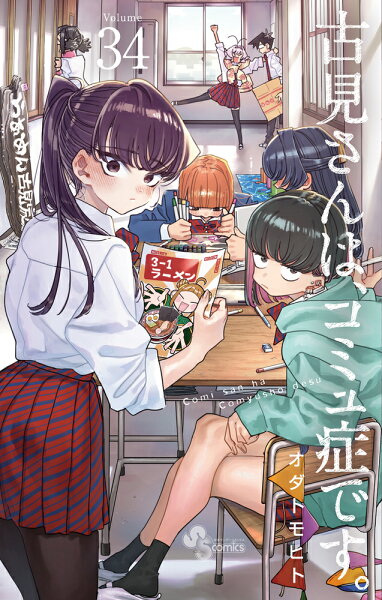
Komi Can't Communicate
Yu's review of Komi Can't Communicate — Shoko Komi is mistaken for the most aloof, intimidating beauty in school, but she actually has a communication disorder and can barely speak. Her ordinary classmate Tadano figures out the truth and promises to help her make 100 friends.

Slice of Life / Comedy
When Supernatural Battles Became Commonplace
When Supernatural Battles Became Commonplace follows the literature club members of Senko High School who suddenly develop supernatural powers — and then find that having powers changes absolutely nothing about their ordinary club activities and romantic dramas.
Slice of Life / Romance
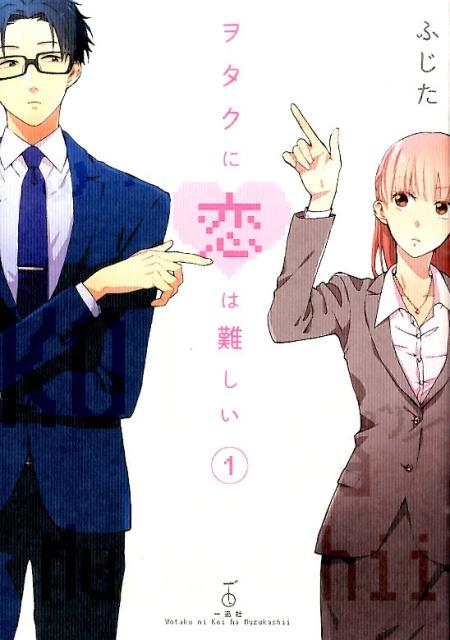
Wotakoi: Love Is Hard for Otaku
Yu's review of Wotakoi — Narumi hides her fujoshi hobby at every job she has ever had; at her new job she discovers her childhood friend Hirotaka is there, and he knows all her secrets; they start dating, and navigate being adult otaku in a relationship together.
Slice of Life / Drama
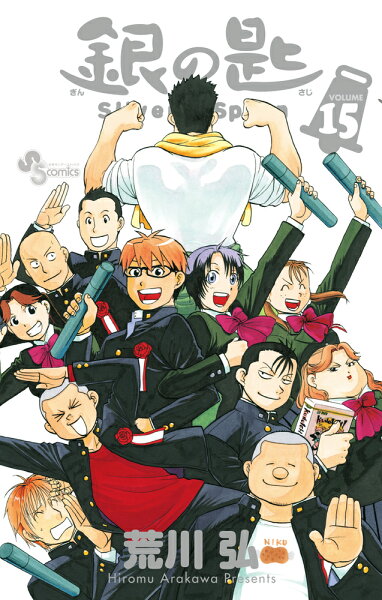
Silver Spoon
Yu's review of Silver Spoon — a city kid escapes to an agricultural high school to avoid his family, and discovers that farming, animal husbandry, and the people who feed the country have lessons no classroom ever taught him.
Slice of Life / Romance
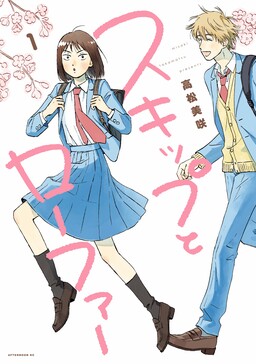
Skip and Loafer
A comprehensive review of Skip and Loafer — plot, characters, art style, and whether it's worth reading.
Written by
Yu
Manga Enthusiast from Japan
I grew up in Japan and manga literally saved me during a tough time in elementary school. My English isn't perfect, but my love for manga is real — and I want to share it with you.
Disclosure: This post contains affiliate links. As an Amazon Associate, I earn from qualifying purchases at no extra cost to you.