Candy Candy Review: The Shojo Classic You Can't Legally Buy Anymore
by Kyoko Mizuki, Yumiko Igarashi
Read the first volume. If it doesn't hook you, put it down. It'll hook you.
Buy Candy Candy on Amazon →*Affiliate link — I earn a small commission at no extra cost to you.
My grandmother kept a small stack of old Nakayoshi tankobon in a drawer, and Candy Candy was the one with the most worn-out spine. I read it long after it should have been "too old" for a boy my age, sitting on her tatami floor on rainy afternoons. I remember being almost embarrassed about how much it got to me — this story about a freckled orphan girl from before the First World War. But that is the thing about Candy Candy. It does not care what year it is or who is reading it. It just keeps breaking your heart and putting it back together.
What makes it strange to write about now is that you can barely find it. Because of a long copyright fight between the two women who created it, the original manga has been out of print in Japan since 2001. So this is me telling you about a book that an entire generation of Japanese kids grew up on, and that almost nobody can legally buy today.
Quick Take
- The blueprint for every plucky-orphan shojo heroine that came after it — emotional, sweeping, and unafraid to hurt you
- Effectively unavailable in print due to a famous lawsuit between writer Kyoko Mizuki and artist Yumiko Igarashi
- Rated All Ages — there's death and the shadow of war, but nothing graphic; it's a story built for young readers and the adults they become
Story Overview
Candy is an orphan raised at Pony's Home, a small orphanage near a lake in early 1900s America. As a child she meets a boy in Scottish dress crying with her on a hill — the "Prince on the Hill" — and the memory of him stays with her for years. She is eventually taken in by the wealthy Ardley family, where she befriends the cousins Archie, Stear, and especially Anthony, a gentle blond boy who looks startlingly like her prince. Candy falls in love with him.
The first great turning point is brutal: during a family fox hunt, Anthony is thrown from his horse and killed. Candy returns to Pony's Home in pieces. Later she is sent to St. Paul's, a strict boarding school in London, where she meets Terry (Terrence Granchester), the rebellious son of a British duke and a Broadway actress. Their love is real but cursed by circumstance. After Terry leaves for America to act, an accident during a rehearsal leaves a young actress, Susanna, crippled — she saved his life — and Terry feels bound to stay with her out of duty.
The story spans years and an ocean, through the era of the Great War, as Candy trains as a nurse and keeps losing the people she loves. Threaded through all of it is Albert, the mysterious wanderer who keeps appearing to help her. By the end he is revealed to be William Albert Ardley, the secret head of the very family that adopted her — and the boy from the hill. Candy survives every loss without ever turning bitter.
Characters
Candice "Candy" White Ardley is the heart of the whole thing. Freckled, blonde, stubbornly cheerful, she is defined by a single trait: she cries, and then she gets up. Every adult who tries to break her — the cruel Aunt Elroy, the spiteful Eliza — fails, not because Candy is tough but because she refuses to stop caring about people.
Anthony Brown is her first love, a soft-spoken boy who grows roses and resembles her Prince on the Hill so closely that loving him feels like fate. His arc is short and devastating by design; he exists to teach Candy, and us, that this is a story where good people die young.
Terry (Terrence Granchester) is the great romance of the series. Sharp-tongued, wounded, the unwanted son of a duke, he and Candy strike sparks immediately. His tragedy is that he is too honorable to be happy — when Susanna sacrifices herself for him, he chooses obligation over love.
Albert spends most of the series as a kind, scruffy stranger who turns up whenever Candy is at her lowest. The slow reveal that this drifter is actually the head of the Ardley family — and the prince she has been chasing in her memory since childhood — recontextualizes the entire story.
What I Love About It
The scene that lives in my head is Anthony's death. It comes early, and that is exactly why it works. By then you have settled into thinking this is a sweet story about a girl finding her place in a rich family, falling for a gentle boy who grows roses. The fox hunt starts. Anthony and Candy break away from the others and ride up to the hill that means so much to him. He has just realized something about the Prince on the Hill — he is about to tell her — and then his horse spooks at a fox, hits a trap, and throws him. He is gone instantly.
What got me, even as a kid, was how the page goes quiet. The art drains of color, the framing pulls back, and there is nothing left but Candy's face and the wind. No dialogue, no dramatic speech, just a girl looking at something her mind cannot accept yet. I had never seen a comic do that — use silence and emptiness as the loudest thing on the page. It taught me, before I had words for it, that the most powerful moment in a story can be the one where everything stops. And then the cruelty afterward — Aunt Elroy and Eliza blaming Candy for it — is what makes her quiet endurance feel earned rather than saccharine. She doesn't get to grieve in peace. She has to carry the blame on top of the loss, and she keeps going anyway.
Memorable Scene ⚠️ Spoiler Warning
The other scene I can never shake is the farewell with Terry. By this point Candy and Terry have earned their happiness — the reader is rooting for them with everything. Then Susanna, the actress who lost a leg saving Terry's life during a rehearsal, becomes the obstacle no villain could ever be. There is no one to hate. Susanna is not evil; she is a girl who gave up her body for the man Candy loves, and who later, in despair at being a burden, nearly throws herself from a hospital roof. Candy is the one who saves her.
So Candy makes the choice for both of them. She leaves. The parting happens in New York in a snowstorm — Terry chasing her down, holding her, sobbing, unable to let go, and Candy walking out into the blizzard anyway because she knows he has to stay. It is the most grown-up thing I had ever read at that age: the idea that two people can love each other completely and still have to let go, not because of a misunderstanding, but because doing the right thing costs you the thing you want most. I closed the book and just sat there. It is the scene every Japanese reader of a certain age remembers, and the reason "Candy and Terry" still starts arguments decades later.
Pros & Cons
Pros:
- A foundational shojo work — you can trace its DNA through decades of orphan-heroine stories that followed
- Genuinely earns its tears; the tragedies land because the characters are written with care
- Igarashi's expressive art makes whole scenes work on silence alone
Cons:
- The original manga has been out of print since the lawsuit, so legally reading it is genuinely difficult
- The melodrama and period sensibilities are very much from the 1970s — pure, sincere, and sometimes old-fashioned, which is either the charm or a dealbreaker depending entirely on you
Is Candy Candy Worth Reading?
Yes — if you can find it. This is one of the most influential shojo manga ever made, and it still hits as hard as anything modern. The only real catch is access: the famous Mizuki–Igarashi dispute has kept it out of print for over two decades, so reading it is a treasure hunt rather than a trip to the store. If you love classic, big-hearted, unashamedly emotional romance, it is worth every bit of the search.
Where to Buy
No English release yet. That just means you find it before everyone else does.
A heads-up specific to this one: because of the long copyright fight between Kyoko Mizuki and Yumiko Igarashi, even the original Japanese manga has been out of print since 2001. New copies are scarce and used volumes can be pricey, so if you spot a set, grab it.
This post contains affiliate links. If you purchase through these links, I may earn a small commission at no extra cost to you. As an Amazon Associate, I earn from qualifying purchases.
*Affiliate link — I earn a small commission at no extra cost to you.
More Manga You Might Like

Romance / Drama
Fruits Basket
Yu's review of Fruits Basket — a girl who has lost everything moves in with a family cursed to transform into animals of the Chinese zodiac, and slowly melts the ice that generations of abuse built around their hearts.
Drama / Romance
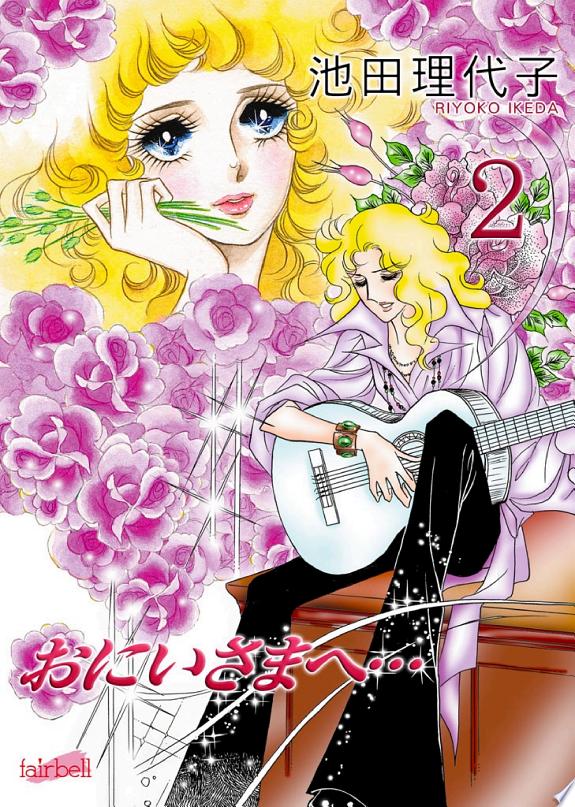
Brother, Dear Brother
A new student at an elite girls' academy gets pulled into a sorority's poison politics in Riyoko Ikeda's haunting epic.
Romance / Historical
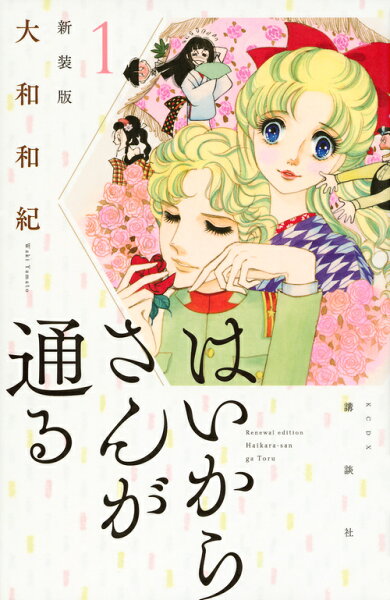
Haikara-san: Here Comes Miss Modern
Haikara-san follows Benio Hanamura, a spirited Taisho-era young woman who defies tradition, loves sake and kendo, and refuses to accept the arranged marriage her father has imposed on her — until she meets her fiancé.
Romance / Drama
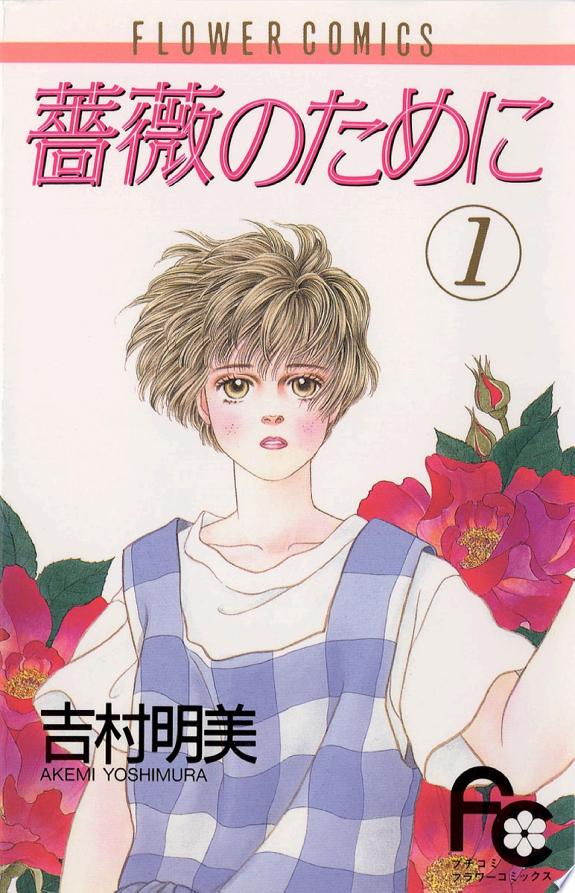
Bara no Tame ni
Bara no Tame ni follows Yuri Makurano, a plain, orphaned girl who learns her actress 'mother' is alive — along with three glamorous half-siblings — and a buried secret about her real parentage. An award-winning Shogakukan shojo drama by Akemi Yoshimura.
Romance / Historical
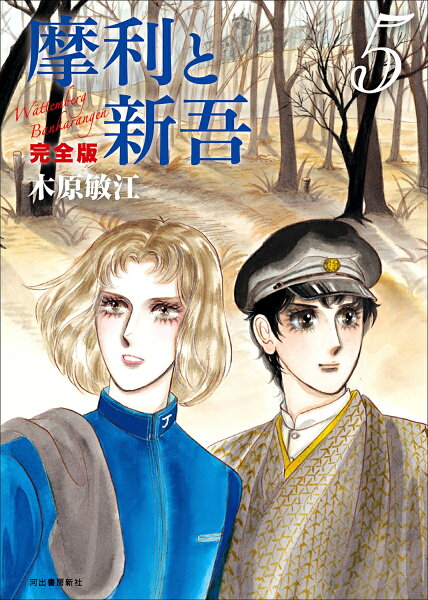
Mari to Shingo
Mari to Shingo follows two young men at an elite Taisho-era Japanese school — the aristocratic Mari and the street-smart Shingo — whose complicated bond defines the series and refuses to be categorized by the vocabulary available to either character.

Romance / Comedy
Yuukan Club
Yuukan Club follows six ultra-wealthy high school students who form the Leisure Club and stumble into mysteries, adventures, and romantic entanglements while maintaining an existence so extravagant it functions as its own genre of comedy.
Written by
Yu
Manga Enthusiast from Japan
I grew up in Japan and manga literally saved me during a tough time in elementary school. My English isn't perfect, but my love for manga is real — and I want to share it with you.
Disclosure: This post contains affiliate links. As an Amazon Associate, I earn from qualifying purchases at no extra cost to you.