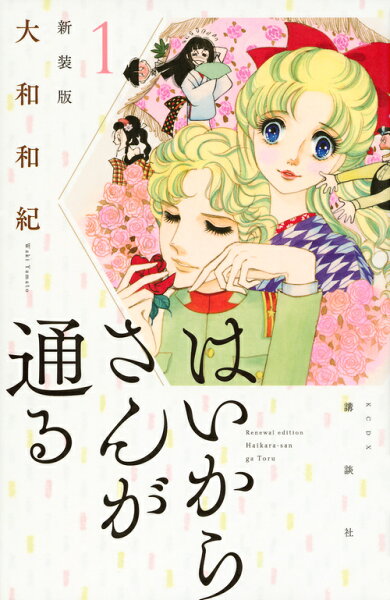
Haikara-san: Here Comes Miss Modern Review — Taisho Japan's Most Rebellious Heroine
by Waki Yamato
Read the first volume. If it doesn't hook you, put it down. It'll hook you.
Buy Haikara-san: Here Comes Miss Modern on Amazon →*Affiliate link — I earn a small commission at no extra cost to you.
Quick Take
- The original modern shojo heroine — Benio's energy and refusal to accept passive femininity still feels radical
- The Taisho era setting is vividly drawn and thematically rich
- A romance that earns its feelings through genuine character growth on both sides
Who Is This Manga For?
- Fans of historical romance with strong female protagonists
- Readers interested in Taisho Japan — the culturally rich period between Meiji modernization and Showa militarism
- Those who want "rebellious heroine" stories that predate the current trend
- Classic shojo manga enthusiasts — Haikara-san helped define the genre
Content Warnings & Age Rating
Age Rating: T (Teen) Content Warnings: Mild action, wartime themes, arranged marriage themes, period-appropriate gender dynamics
The historical setting includes attitudes about gender that reflect their era. The manga critiques these through Benio's character.
Yu's Rating
| Category | Score |
|---|---|
| Story Depth | ★★★★☆ |
| Art Style | ★★★★☆ |
| Character Development | ★★★★★ |
| Accessibility for Non-Japanese Readers | ★★★★☆ |
| Reread Value | ★★★★☆ |
Story Overview
The Taisho era (1912-1926) was Japan's brief, glittering moment of democracy, modernization, and Western influence before the militarist period closed around it. In this setting — bobbed hair, jazz, politics, suffrage movements — Benio Hanamura is the daughter of a military general.
Benio is everything a "proper" Taisho young lady shouldn't be: she drinks sake, practices kendo, wears Western clothes, and has absolutely no interest in becoming anyone's demure wife. When her father informs her that she's been promised in marriage to Lieutenant Shinobu Ijuuin — handsome, aristocratic, and refined — her immediate reaction is fury.
What follows is a story in two movements. First: Benio and Shinobu, meeting as adversaries and gradually, stubbornly, discovering that they see each other clearly despite their differences. Second: war, separation, amnesia, and the complicated question of whether love can survive what life does to people.
Characters
Benio Hanamura: One of the foundational heroines of shojo manga. Her independence isn't a pose or a quirk — it's her actual self, fought for against constant social pressure. She drinks, she swears, she punches when punching is appropriate. And underneath the bravado is a person of genuine warmth and loyalty.
Shinobu Ijuuin: The fiancé. Initially presented as a perfect aristocrat who might try to domesticate Benio, he reveals himself as someone who finds her independence genuinely appealing. His respect for who she is — rather than who she's supposed to be — is what earns her feelings and the reader's.
Ranmaru: A secondary character whose involvement complicates the central romance in the story's second half. His relationship with Benio has real emotional weight.
Art Style
Waki Yamato's art is gorgeous — elaborate kimonos and period-appropriate fashion rendered with loving detail, character expressions full of life and energy. Benio's physical presence (she moves, she fights, she expresses herself in her whole body) is drawn with consistent vitality.
The Taisho setting is recreated with evident research. The visual contrast between traditional Japanese dress and Western fashions that characterized the era is used meaningfully.
Cultural Context
The Taisho era has a particular romance in Japanese cultural memory — it represents a road not taken, a brief liberalization before the country turned toward militarism. Women's suffrage movements, labor organizing, jazz culture, Western literature — all existed in Taisho Japan and were then suppressed in the years that followed.
Haikara-san is set at the tail end of this period, and the wartime elements of its second half reflect historical reality — Japan's expansionist military adventures in the 1920s-30s touch the story directly.
Benio's rebellion against prescribed femininity resonates differently understood in this historical context. She's fighting for something Japan was also briefly fighting for, before losing.
What I Love About It
Benio is the kind of heroine I wanted to read about when I was young and couldn't find in many places.
She's not secretly sweet underneath her rough exterior. She's not the prickly front hiding the soft inside. She is genuinely rough, genuinely outspoken, genuinely unwilling to pretend otherwise — and the series treats this as admirable rather than as something to be fixed. When Shinobu falls in love with her, it's because of who she is, not in spite of it.
The second half of the series gets very serious — war, separation, genuine tragedy — and Benio has to carry these heavier chapters with the same spirit she brought to the comedy. She does. She remains herself through all of it. That consistency is the mark of great character writing.
What English-Speaking Fans Say
English-speaking readers tend to discover Haikara-san through its reputation as a classic — it's often listed among the founding texts of shojo manga. Reviews consistently highlight Benio as a standout protagonist, particularly from readers who came to appreciate how unusual her characterization was for its era.
The war and separation arc generates divided responses. Some readers find it an unexpected tonal shift; others consider it what elevates the series from fun to genuinely affecting.
The 2017-2018 film adaptations (two parts) drew renewed attention from international audiences, and many manga readers report coming to the source material after the films.
Memorable Scene ⚠️ Spoiler Warning
The chapter where Benio, separated from Shinobu, learns he has been declared dead — and her response to this news, the quiet, private way she processes grief while maintaining her outward strength — is the series' most affecting moment. She doesn't collapse. She doesn't stop being herself. But the reader sees what it costs her, and the human beneath the independence becomes completely vivid. That scene made me love her completely.
Similar Manga
- Rose of Versailles: Another foundational shojo with a heroine who defies gender expectations, earlier period
- Sword of Paros: Similar historical setting with a strong female protagonist
- From Eroica with Love: Different genre, but similar irreverent female-gaze energy toward male protagonists
Reading Order / Where to Start
Volume 1. The English edition (One Peace Books) collected the 9 original volumes into 4 omnibus volumes — excellent value and presentation.
Official English Translation Status
One Peace Books published 4 omnibus volumes covering the complete story in English. The translation is available in physical format and as digital editions.
Pros & Cons
Pros
- Benio is one of shojo manga's all-time great heroines
- Beautiful historical art
- The romance earns its emotional payoff
- Both comedy and drama sections work well
- Complete in 4 omnibus volumes — great value
Cons
- Second-half tonal shift surprises readers expecting lighter romance
- Period gender dynamics require historical context
- Some Western readers may need background on Taisho Japan
Format Comparison
| Format | Notes |
|---|---|
| Physical | 4 omnibus volumes from One Peace Books — excellent |
| Digital | Available digitally |
| Omnibus | The standard format — 4 volumes covering the full story |
Where to Buy
Read the first volume. If it doesn't hook you, put it down. It'll hook you.
This post contains affiliate links. If you purchase through these links, I may earn a small commission at no extra cost to you. As an Amazon Associate, I earn from qualifying purchases.
*Affiliate link — I earn a small commission at no extra cost to you.
More Manga You Might Like
Romance / Historical
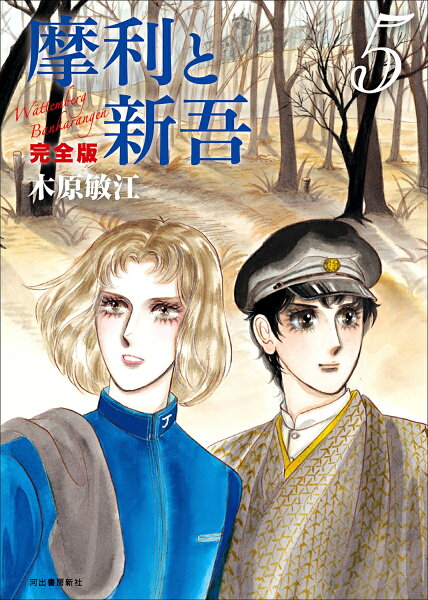
Mari to Shingo
Mari to Shingo follows two young men at an elite Taisho-era Japanese school — the aristocratic Mari and the street-smart Shingo — whose complicated bond defines the series and refuses to be categorized by the vocabulary available to either character.
Romance / Historical
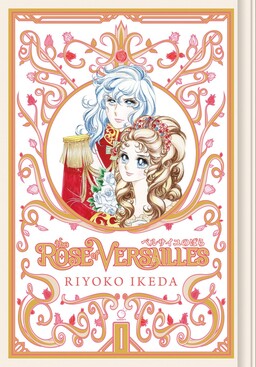
The Rose of Versailles
Yu's review of The Rose of Versailles — Oscar François de Jarjayes is raised by her father as a son and commander of the royal guard; she navigates the court of Louis XVI and Marie Antoinette, torn between duty to the aristocracy and growing awareness of what the common people suffer; as the French Revolution approaches, the world she has served is ending.
Romance
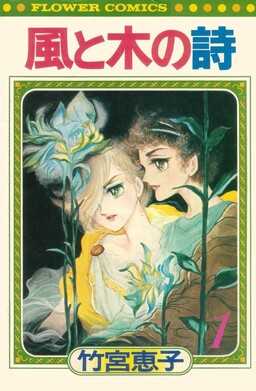
Kaze to Ki no Uta
Yu's review of Kaze to Ki no Uta — set in a 19th century French boarding school, the relationship between Serge, a half-Japanese student with a traumatic past, and Gilbert, a beautiful and sexually promiscuous boy whose behavior conceals something devastating; the manga that essentially created the Boys' Love genre, published between 1976 and 1984.

Romance / Drama
Fruits Basket
Yu's review of Fruits Basket — a girl who has lost everything moves in with a family cursed to transform into animals of the Chinese zodiac, and slowly melts the ice that generations of abuse built around their hearts.
Drama / Romance
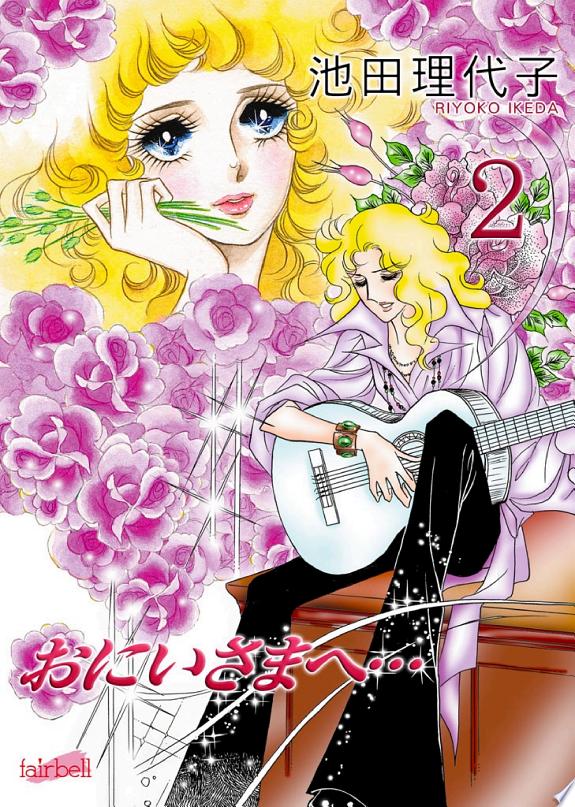
Brother, Dear Brother
A new student at an elite girls' academy gets pulled into a sorority's poison politics in Riyoko Ikeda's haunting epic.
Romance / Drama
Candy Candy
An orphan girl carried from Pony's Home to England and back through love and loss — one of the most beloved shojo manga ever made, now frozen out of print by a famous lawsuit.
Written by
Yu
Manga Enthusiast from Japan
I grew up in Japan and manga literally saved me during a tough time in elementary school. My English isn't perfect, but my love for manga is real — and I want to share it with you.
Disclosure: This post contains affiliate links. As an Amazon Associate, I earn from qualifying purchases at no extra cost to you.