Trinity Blood Review: A Vampire Priest Who Is Also a Monster Fights for Peace Between Species
by Sunao Yoshida
Read the first volume. If it doesn't hook you, put it down. It'll hook you.
Buy Trinity Blood on Amazon →*Affiliate link — I earn a small commission at no extra cost to you.
Quick Take
- An imaginative post-apocalyptic world where the Church and vampires are locked in cold war.
- Father Abel Nightroad is one of manga's most charming protagonists — seeming foolish, actually terrifying.
- The world-building is rich and the political intrigue is genuinely engaging.
Who Is This Manga For?
- Fans of emotionally rich storytelling with memorable characters
- Readers who enjoy complete series with satisfying conclusions
- Anyone interested in discovering hidden gems from manga's golden era
- People who like manga that stays with you long after the final page
Content Warnings & Age Rating
Age Rating: T (Teen) Content Warnings: vampire action, violence, dark themes, religious imagery
Safe for most readers.
Yu's Rating
| Category | Score |
|---|---|
| Story Depth | ★★★★☆ |
| Art Style | ★★★★☆ |
| Character Development | ★★★★★ |
| Accessibility for Non-Japanese Readers | ★★★★☆ |
| Reread Value | ★★★★☆ |
Overall: 4/5 — A rich post-apocalyptic vampire action that rewards its complex world-building.
Story Overview
Centuries after a cataclysm, humanity and the Methuselahs (vampires) coexist uneasily. The Vatican's AX division works to prevent open war. Father Abel Nightroad appears to be a bumbling, sweet-natured priest — but he is actually a Crusnik, a vampire who feeds on vampires, and one of the most dangerous beings alive. He and his colleagues navigate assassination attempts, political scheming, and the very different agendas of the powers involved.
Characters
The cast of Trinity Blood is built around contrasting personalities that force each other to grow. The main character carries a mix of strength and vulnerability — enough to earn sympathy without feeling passive. Supporting characters each serve a distinct emotional function: some mirror the protagonist's flaws, others challenge their assumptions, and a few provide the warmth that makes the harder moments bearable.
Art Style
Sunao Yoshida's visual style suits the story it tells. Emotional moments land because facial expressions are drawn with real attention to subtlety — you rarely need dialogue to understand what a character is feeling. Background detail varies by scene, pulling back in quiet moments and getting tight and detailed when the stakes rise.
Cultural Context
Trinity Blood comes from a tradition of Japanese storytelling that blends personal drama with broader themes — family loyalty, social pressure, and the courage it takes to be yourself. English readers will find most of this translates naturally; a few cultural notes in good translations help bridge any remaining gaps.
What I Love About It
Abel's character design is perfect — he seems so hopeless and then you see what he actually is, and the contrast is exactly right. The world has a real sense of history and consequence. The political intrigue between the Vatican, the Empire, and the various vampire factions is more interesting than most action manga manages.
What English-Speaking Fans Say
Western readers who find this series often describe it as something they wish they'd found sooner. The emotional beats translate well; the universal themes of connection, loss, and growth resonate regardless of cultural background. Fans of similar series consistently recommend it as a must-read for genre newcomers and veterans alike.
Memorable Scene ⚠️ Spoiler Warning
There is a moment — usually in the middle or final act — where the story does something unexpected with a character you thought you understood. The setup is careful and patient. The payoff is sudden and complete. Readers report rereading earlier chapters afterward, finding all the foreshadowing they missed the first time.
Similar Manga
If you enjoyed Trinity Blood, try:
- Hellsing by Kouta Hirano — vampires, religious institutions, extreme violence
- Blue Exorcist by Kazue Kato — religious-themed supernatural action
- D.Gray-man by Katsura Hoshino — supernatural agents fighting inhuman enemies
Reading Order / Where to Start
Start from volume 1. This series builds its world and characters carefully from the first chapter — jumping in anywhere else means losing the context that makes later moments land. Volume 1 is a very strong opening; if you're not hooked by the end of it, this series may not be for you.
Official English Translation Status
Trinity Blood has been fully published in English. All 17 volumes are available.
Pros & Cons
Pros:
- Complete story with no wait for new volumes
- Strong character work and genuine emotional investment
- Art that serves the story without overwhelming it
Cons:
- Less known outside core manga fandom — harder to find in physical stores
- Some tropes of its era may feel dated to modern readers
Format Comparison
| Format | Pros | Cons |
|---|---|---|
| Physical | Best art reproduction | May require ordering online |
| Digital | Instant access, cheaper | Less collector value |
| Used | Very affordable | Condition and availability vary |
Where to Buy
Read the first volume. If it doesn't hook you, put it down. It'll hook you.
This post contains affiliate links. If you purchase through these links, I may earn a small commission at no extra cost to you. As an Amazon Associate, I earn from qualifying purchases.
*Affiliate link — I earn a small commission at no extra cost to you.
More Manga You Might Like
Action / Romance
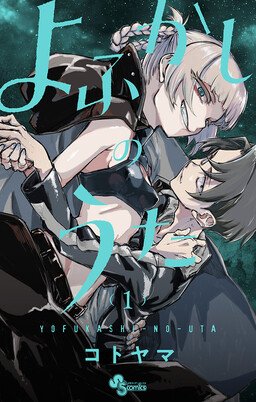
Call of the Night
Yu's review of Call of the Night — Ko Yamori cannot sleep; unable to feel anything during the day, he starts sneaking out at night and discovers that he actually belongs in the night; when he meets Nazuna, a vampire who drinks blood from sleeping humans, he asks her to turn him into a vampire — but the only way to become one is to fall in love.
Action / Fantasy
Basara
Yu's review of Basara — in a post-apocalyptic desert Japan ruled by the Golden Emperor and his sons, a prophecy names the twin Tatara as the child of destiny. When Tatara is killed, his sister Sarasa cuts her hair, takes his name, and leads the rebellion — then falls in love with a stranger at a hot spring who turns out to be the Red King who destroyed her village.
Action / Fantasy
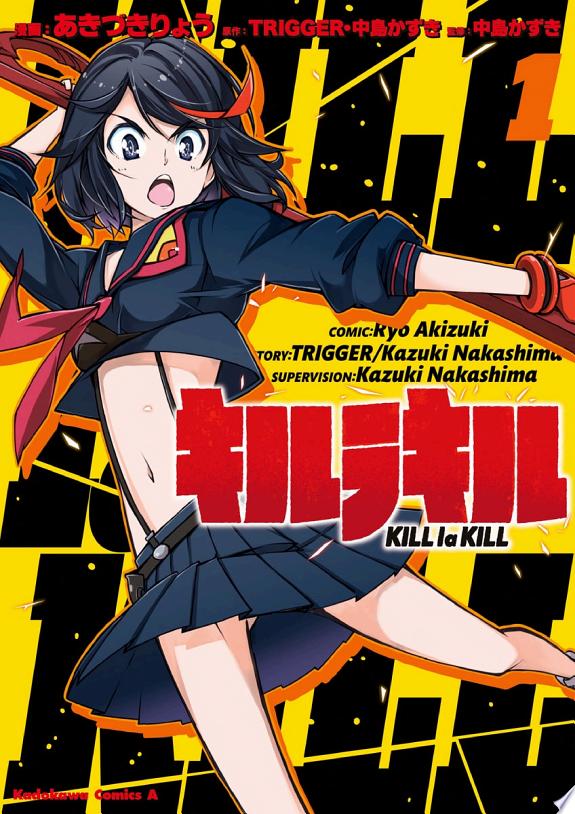
Kill la Kill
A review of Kill la Kill manga, the adaptation of Trigger's anime about a girl searching for her father's killer at a school where power is literally woven into clothing.
Action / Drama
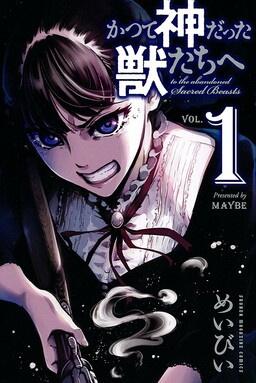
To the Abandoned Sacred Beasts
Yu's review of To the Abandoned Sacred Beasts — during a civil war, soldiers of the Northern Army were transformed into Incarnates — humans with the ability to become powerful monsters — to win; now the war is over, and the Incarnates cannot return to human society; the man who led them has become their hunter, and the daughter of one who died follows him.

Action / Fantasy
Saiyuki Reload
Yu's review of Saiyuki Reload — the sequel series to the original Saiyuki follows Sanzo and his three companions deeper west, with heavier consequences and darker character revelations.
Action / Fantasy
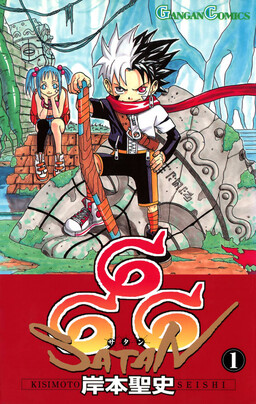
O-Parts Hunter
Yu's review of O-Parts Hunter — Jio Freed is a boy who wants to rule the world but carries a demon called Satan inside him that awakens when he is in danger; he travels a post-apocalyptic world with Ruby, an OPT hunter, in search of legendary O-Parts — ancient relics with extraordinary power.
Written by
Yu
Manga Enthusiast from Japan
I grew up in Japan and manga literally saved me during a tough time in elementary school. My English isn't perfect, but my love for manga is real — and I want to share it with you.
Disclosure: This post contains affiliate links. As an Amazon Associate, I earn from qualifying purchases at no extra cost to you.