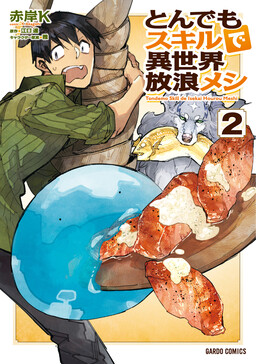
Campfire Cooking in Another World with My Absurd Skill Review: The Isekai Hero Whose Only Cheat Is Online Grocery Delivery
by Ren Eguchi (story), Akagishi K (art), Miya (character design)
Read the first volume. If it doesn't hook you, put it down. It'll hook you.
Buy Campfire Cooking in Another World with My Absurd Skill on Amazon →*Affiliate link — I earn a small commission at no extra cost to you.
I work late a lot, and on the worst nights I don't cook — I just open a delivery app on the train home and order something hot to be waiting at my door. There's a tiny, specific comfort in that: the world is exhausting, but a warm meal is one tap away. The first time I read Campfire Cooking in Another World, I realized somebody had built an entire fantasy adventure out of exactly that feeling. A tired office worker gets dropped into a sword-and-sorcery kingdom, and his one and only magic power is... he can still order groceries from Japan.
I expected to roll my eyes. Instead I got hungry, then I got attached, and by the end of the first volume I was rooting for a salaryman and his enormous wolf the way I used to root for shonen heroes as a kid. This is a comfort manga, but it earned its comfort honestly, and I want to tell you why.
Quick Take
- The "online supermarket in a fantasy world" premise turns ordinary Japanese home cooking into the most powerful cheat in the story — and it actually works
- The real heart is the found family: Mukouda the worrier, Fel the fearsome glutton, and Sui the cheerful slime
- 11 volumes ongoing in Japan, with J-Novel Club publishing the English edition; rated T (Teen) — fantasy monster-hunting but nothing graphic, safe for most readers
Story Overview
Tsuyoshi Mukouda is a 27-year-old salaryman who gets summoned to the kingdom of Leonhardt alongside three high schoolers. The kingdom wanted heroes; the three students receive powerful combat magic, while Mukouda gets a useless-sounding "Online Supermarket" (Net Super) skill that only lets him buy modern Japanese products with his own money. Realizing he's dead weight as a hero — and quietly uneasy about a kingdom that summons people for war — he takes a small stipend and leaves the castle to live as a low-key merchant and adventurer.
The turning point comes when he discovers his food isn't just tasty: meals made from his modern ingredients give temporary stat boosts to whoever eats them. While traveling with hired escorts, the smell of his ginger-grilled pork drifts across the wilderness and draws in Fel, a legendary Fenrir over a thousand years old. Fel tastes the dish, decides he is never leaving, and forces a tamer's contract onto a horrified Mukouda. Overnight, a man with no combat ability is escorted by one of the strongest creatures alive.
From there the series builds outward rather than upward. Mukouda picks up Sui, a baby slime; later a pixie dragon named Dora-chan and, for a stretch, an ancient dragon. A parade of goddesses — wind goddess Ninril first, then earth, water, and fire goddesses — discover his cooking through divine channels and start demanding sweets and beer as the price of their blessings. The plot moves through dungeon crawls, guild work, and cooking, but the engine is always the same: Mukouda just wants a quiet life, and his food keeps making that impossible by attracting the most powerful beings in the world to his campfire.
Characters
Tsuyoshi Mukouda — The reluctant center. He's not brave, not a fighter, and openly anxious about money and danger. His arc isn't about gaining power; it's about a lonely, overworked man slowly accumulating a family he never asked for and learning to take care of them. The cooking is how he expresses affection — every meal is a small act of love disguised as a buff.
Fel — The Fenrir. Over a thousand years old, casually capable of leveling threats that terrify entire kingdoms, and utterly enslaved by his stomach. The joke that never gets old: a divine apex predator reduced to sulking and rushing Mukouda to finish cooking. But there's real loyalty underneath the gluttony — Fel chose this human and defends him without hesitation.
Sui — A Level 1 baby slime Mukouda finds and names. After eating healing-mushroom dishes from his cooking, Sui evolves, learns to speak, and develops acid attacks and potion-crafting. Sui is the youngest of the family — cheerful, doted on by Mukouda, and weirdly practical, since she happily eats the plastic packaging from the Net Super deliveries so the fantasy world doesn't drown in trash.
Ninril and the goddesses — Ninril, the wind goddess, contacts Mukouda (via Fel) demanding sweets, and gets so hooked on modern confections and alcohol that her divine dignity collapses into comedy. The earth, water, and fire goddesses follow, each with their own cravings. They're not antagonists; they're a running gag about how even gods can't resist good junk food.
Art Style
Akagishi K handles the manga adaptation of Ren Eguchi's web novel (Miya did the original character designs for the light novels). The food panels are the showcase — karaage glistening, tonkatsu cross-sections, steam rising off rice — drawn to make you genuinely hungry. But the secret weapon is Fel's face. A thousand-year-old monster god's expressions of pure, undignified greed do more comedic heavy lifting than any line of dialogue.
What I Love About It
The orc tonkatsu scene is the moment this manga clicked for me. After a hunt, Mukouda is left with orc meat, and he hesitates — orcs walk on two legs and look unsettlingly human, and the idea of eating one disturbs him. So he does the most relatable thing imaginable: he looks at the meat, tells himself flatly, "This is just pork," breads it, fries it into tonkatsu, and serves it with white rice and miso soup. And it's incredible.
I love that scene because it's the whole series in miniature. Mukouda isn't a hero who solves problems by getting stronger; he solves them by being a normal, slightly squeamish person who copes the way real people cope — with denial, with routine, with the comfort of a familiar meal. The fantasy world keeps throwing impossible, grotesque, dangerous things at him, and his response is to turn them into something that smells like home. That's a quietly profound idea dressed up as a food gag, and it's why the comfort here never feels empty. The same logic powers the black serpent karaage scene, where his hesitation about eating snake evaporates the second it's fried, and Fel and Sui devour nearly the whole plate before he can blink.
Memorable Scene ⚠️ Spoiler Warning
The single best recurring beat is the goddess Ninril's descent into snack addiction. She first reaches Mukouda through divine channels, demanding offerings of sweets in exchange for her blessing — perfectly dignified, a goddess making a goddess's request. Then she tastes modern Japanese confections, and modern alcohol, and it's over. She becomes a giddy, indulgent mess, scheming for her next delivery, her celestial composure completely overridden by wanting more cake and beer.
It sticks with me because it's the premise's cleverest punchline. The whole world treats Mukouda's groceries as miraculous treasure, but the deepest joke is that the literal gods are no different from a tired person doom-ordering dessert at midnight. Watching the wind goddess lose her composure over convenience-store-tier sweets is funny, but it's also the most human thing in a story full of monsters and deities — and it's exactly why the goddesses keep granting Mukouda protections he never wanted.
Pros & Cons
Pros
- Food art that genuinely makes you hungry
- Fel and Sui are an A-tier found-family duo
- The Net Super premise is specific and clever, not a lazy "modern knowledge" cheat
- Reliably warm, low-stress reading
Cons
- Combat stakes are deliberately low — Fel solves most threats instantly
- Episodic cooking structure can feel repetitive over many volumes
- Ongoing, so there's no resolution yet
- It's a slow, cozy ride with almost no tension — that's either the whole appeal or a dealbreaker depending on you.
Is Campfire Cooking in Another World Worth Reading?
Yes, if you want a cozy, food-forward isekai built around a likable salaryman and an unforgettable wolf-and-slime family rather than power fantasy or high stakes. The cooking is a real draw and the comedy lands. Skip it only if you need tension, danger, or forward-driving plot — this is comfort food in manga form, and it knows exactly what it is.
Similar Manga
| Title | Its Approach | How Campfire Cooking Differs |
|---|---|---|
| Restaurant to Another World | Fantasy patrons visit a modern Japanese diner | Campfire Cooking takes the cook out on the road with monster companions |
| Delicious in Dungeon | Cooking monsters you fight, as survival in a deadly dungeon | Campfire Cooking keeps the danger off-screen and the mood relaxed |
| Isekai Izakaya Nobu | A pub bridges modern Japan and a fantasy town | Campfire Cooking is a traveling adventure, not a fixed location |
| Reincarnated as a Slime | Peaceful isekai nation-building | Campfire Cooking stays small and personal, centered on meals and family |
Reading Order / Where to Start
Start with Volume 1 — the summoning, the Online Supermarket skill, and Fel's contract are all established right away. Note there's also a spin-off, Sui's Great Adventure (illustrated by Momo Futaba), which retells events from Sui's perspective; read the main series first.
Official English Translation Status
J-Novel Club publishes the English edition of the manga (digital, with print volumes rolling out), so you can read it legally in English. The series is ongoing in Japan at 11 volumes.
Where to Buy
Read the first volume. If it doesn't hook you, put it down. It'll hook you.
This post contains affiliate links. If you purchase through these links, I may earn a small commission at no extra cost to you. As an Amazon Associate, I earn from qualifying purchases.
*Affiliate link — I earn a small commission at no extra cost to you.
More Manga You Might Like
Fantasy / Comedy
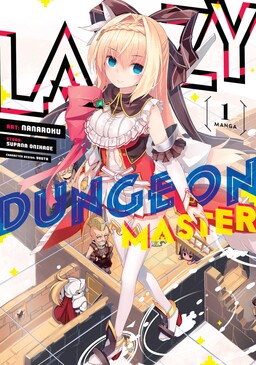
Lazy Dungeon Master
Yu's review of Lazy Dungeon Master — Keima Masuda values sleep above all things; he is accidentally reincarnated in a fantasy world and bonded to a dungeon core who needs him to manage their dungeon; he agrees to help only because it will allow him to sleep more, and approaches all dungeon management problems with the specific ingenuity of someone trying to minimize effort.

Fantasy / Comedy
Uncle from Another World
Yu's review of Uncle from Another World — Takafumi's uncle Yosuke wakes from a 17-year coma having been an isekai hero in another world; Takafumi discovers his uncle has magical powers but also deeply embarrassing stories about how he was treated in the other world.

Fantasy / Action
The Wrong Way to Use Healing Magic
Yu's review of The Wrong Way to Use Healing Magic — Usato is accidentally summoned to another world along with two heroes; the kingdom's healer Rose assigns herself to train him personally, using methods that include physical conditioning so extreme it would hospitalize a normal person.

Fantasy / Isekai
Tsukimichi: Moonlit Fantasy
Yu's review of Tsukimichi: Moonlit Fantasy — Makoto Misumi is transported to another world, but the goddess who was supposed to guide him finds him unattractive and banishes him to the wasteland at the world's edge; he then proceeds to build his own civilization there, befriending monsters and demi-humans while becoming absurdly powerful in ways even the gods didn't expect.

Fantasy / Isekai
The Saint's Magic Power is Omnipotent
Yu's review of The Saint's Magic Power is Omnipotent — Sei is an overworked office worker who is summoned to a fantasy kingdom as a Saint; the kingdom ignores her in favor of the other woman summoned simultaneously; Sei decides she doesn't mind and spends her time making potions and learning herbalism; eventually the kingdom realizes what they overlooked.

Fantasy / Romance
The Most Heretical Last Boss Queen: From Villainess to Savior
Yu's review of The Most Heretical Last Boss Queen — Pride Royal Ivy, a princess and the destined last boss of an otome game, reincarnates with knowledge of her fate and decides to use her position to become good rather than fall into villainy; her efforts to undermine her own bad ending while protecting everyone around her.
Written by
Yu
Manga Enthusiast from Japan
I grew up in Japan and manga literally saved me during a tough time in elementary school. My English isn't perfect, but my love for manga is real — and I want to share it with you.
Disclosure: This post contains affiliate links. As an Amazon Associate, I earn from qualifying purchases at no extra cost to you.