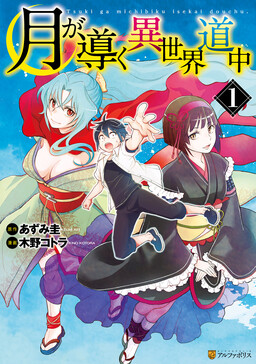
Tsukimichi: Moonlit Fantasy Review: An Overpowered Japanese Boy Gets Dumped at the Edge of the World by an Indifferent Goddess
by Kei Azumi / Kotora Kino
Read the first volume. If it doesn't hook you, put it down. It'll hook you.
Buy Tsukimichi: Moonlit Fantasy on Amazon →*Affiliate link — I earn a small commission at no extra cost to you.
Quick Take
- An isekai that starts from the premise "what if the goddess who summoned you thought you were ugly and abandoned you" — a refreshingly different entry point that generates both comedy and genuine stakes
- Makoto builds his own power base independently of the human society he was supposed to integrate into, which gives the series a different structural rhythm than most isekai
- 17 volumes ongoing; one of the more distinctive entries in the crowded isekai genre
Who Is This Manga For?
- Isekai fans who want something slightly different from the standard fantasy kingdom integration story
- Readers who enjoy overpowered protagonists who are also genuinely nice people
- Anyone who likes comedy-action isekai with actual worldbuilding
- Fans of monster companions and found-family elements
Content Warnings & Age Rating
Age Rating: T (Teen) Content Warnings: Fantasy violence; overpowered protagonist encounters; mild fan service consistent with the genre
A genuine T rating appropriate for teen readers and up.
Yu's Rating
| Category | Score |
|---|---|
| Story Depth | ★★★★☆ |
| Art Style | ★★★★☆ |
| Character Development | ★★★★☆ |
| Accessibility for Non-Japanese Readers | ★★★★★ |
| Reread Value | ★★★★☆ |
Story Overview
Makoto Misumi was supposed to be sent to a fantasy world and guided by its goddess as a hero. The goddess takes one look at him, decides his Japanese features make him unattractive by her standards, and dumps him in the wasteland at the literal edge of the world — the inhospitable zone where no human civilization reaches.
The problem for the goddess: Makoto has received magical power exceeding anything the world has ever produced, and he proceeds to use it to build something in the wasteland. Befriending monsters, demi-humans, and other creatures rejected by the main human society, he constructs his own growing community — and then begins, cautiously and reluctantly, to interact with the human nations the goddess actually wanted him in.
The series follows Makoto's development from abandoned outsider to someone whose power and organization have become impossible for the world's existing powers to ignore.
Characters
Makoto Misumi — Unusually for an isekai protagonist, Makoto is genuinely kind without being naive, and his power is so extreme that the series uses it for comedy rather than tension — the interesting questions are about what he does with power rather than whether he can win.
Tomoe and Mio — Two powerful entities who become Makoto's companions: a dragon and a spider, each with distinct personalities and their own comedic relationship with their wildly overpowered master.
The wasteland community — Demi-humans and monsters who find in Makoto's settlement something the human world denied them — their community's gradual development is the series' most sincere emotional content.
Art Style
Kino's art is clean and action-appropriate — the power scale of combat sequences requires conveying overwhelming force without losing readability, and the art manages this consistently. Character expressions carry the comedy effectively.
Cultural Context
The "rejected by the summoning goddess" premise inverts a common isekai setup — the usual story is the goddess who summoned you helping you along. Tsukimichi's version uses that rejection to position its protagonist outside the human world rather than inside it, which generates different story possibilities.
What I Love About It
The series makes Makoto's position as an outsider feel genuine — he doesn't naturally belong in the human kingdom politics that most isekai protagonists navigate, and watching him engage with those politics from a position of total independence and mild bewilderment is consistently funny and interesting.
What English-Speaking Fans Say
Western readers who follow isekai manga describe Tsukimichi as one of the subgenre's more likeable entries — the protagonist's decency is consistent, the humor doesn't rely on mean-spiritedness, and the worldbuilding outside the human kingdoms is more developed than most isekai bother with.
Memorable Scene ⚠️ Spoiler Warning
The first time a human kingdom's powerful figures encounter Makoto and realize that the being they've been told to dismiss is not merely strong but operating on a completely different scale — and their very reasonable panic — is the series' funniest power-flex sequence.
Similar Manga
- Mushoku Tensei — Isekai with serious worldbuilding, similar scope
- Slime Isekai — Monster-befriending protagonist, nation-building focus
- Konosuba — Isekai comedy, goddess relationship inversion
- Is It Wrong to Pick Up Girls in a Dungeon? — Fantasy world with distinct social structures
Reading Order / Where to Start
Volume 1 — Makoto's situation is established immediately, including the goddess's rejection and his first encounters in the wasteland.
Official English Translation Status
Yen Press publishes the ongoing series. 12+ volumes currently available in English.
Pros & Cons
Pros
- Distinctive starting premise within the isekai genre
- Protagonist's goodness is consistent without being cloying
- Found-family community building is genuinely satisfying
- Comedy and action balance well across volumes
Cons
- Ongoing series with many volumes ahead
- Power scale makes conventional conflict stakes difficult
- Some isekai conventions persist despite the different premise
Format Comparison
| Format | Notes |
|---|---|
| Individual Volumes | Yen Press; ongoing |
| Digital | Available |
Where to Buy
Read the first volume. If it doesn't hook you, put it down. It'll hook you.
This post contains affiliate links. If you purchase through these links, I may earn a small commission at no extra cost to you. As an Amazon Associate, I earn from qualifying purchases.
*Affiliate link — I earn a small commission at no extra cost to you.
More Manga You Might Like
Fantasy / Comedy
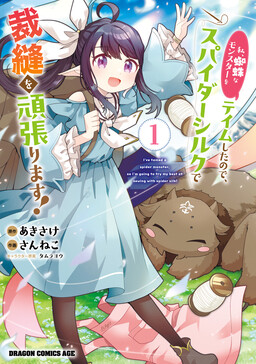
Kuma Kuma Kuma Bear
Yu's review of Kuma Kuma Kuma Bear — Yuna is a wealthy shut-in who plays VRMMOs; when her favorite game gets updated, she receives a ridiculously overpowered bear suit as a gift item; she chooses to keep wearing it even after being transported to another world, bear hands and all.
Fantasy
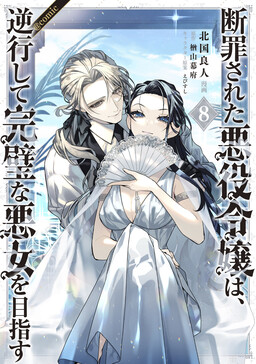
Otome Game's Heroine Aims to Be a Villainess
Yu's review of Otome Game's Heroine Aims to Be a Villainess — a girl reincarnates as the heroine of an otome game but, having no memory of the game's romantic routes and only the villainess's memorable scenes, she decides to become the villainess instead; the reverse of the usual villainess-isekai premise.
Fantasy / Action
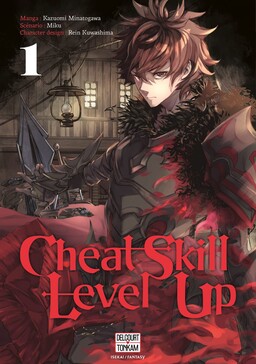
I Got a Cheat Skill in Another World and Became Unrivaled in The Real World, Too
Yu's review of I Got a Cheat Skill in Another World — Yuuya Tenjou, a bullied boy abandoned by his family, smashes a mirror in his late grandfather's house and finds a hidden door to another world that levels him up in both realities.
Fantasy / Comedy
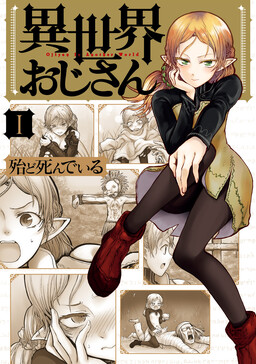
Uncle from Another World
Yu's review of Uncle from Another World — Takafumi's uncle Yosuke wakes from a 17-year coma having been an isekai hero in another world; Takafumi discovers his uncle has magical powers but also deeply embarrassing stories about how he was treated in the other world.
Fantasy / Action
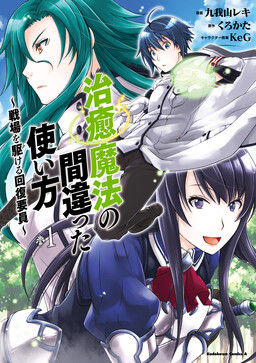
The Wrong Way to Use Healing Magic
Yu's review of The Wrong Way to Use Healing Magic — Usato is accidentally summoned to another world along with two heroes; the kingdom's healer Rose assigns herself to train him personally, using methods that include physical conditioning so extreme it would hospitalize a normal person.
Fantasy / Comedy
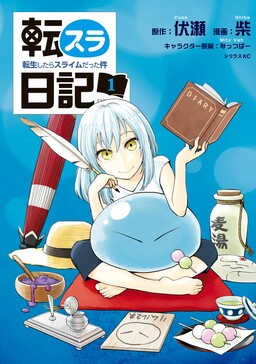
That Time I Got Reincarnated as a Slime: Slime Diaries
Yu's review of Slime Diaries — a spinoff from That Time I Got Reincarnated as a Slime following Rimuru and the people of Tempest through daily life; farming festivals, cooking competitions, seasonal celebrations, and the small situations that don't make it into the main series.
Written by
Yu
Manga Enthusiast from Japan
I grew up in Japan and manga literally saved me during a tough time in elementary school. My English isn't perfect, but my love for manga is real — and I want to share it with you.
Disclosure: This post contains affiliate links. As an Amazon Associate, I earn from qualifying purchases at no extra cost to you.