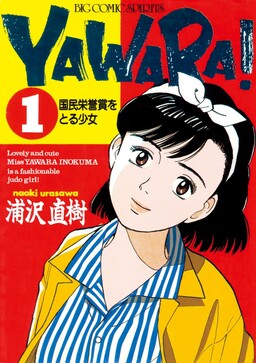
Yawara! Review: The World's Greatest Judo Prodigy Just Wants to Be a Normal Girl
by Naoki Urasawa
Read the first volume. If it doesn't hook you, put it down. It'll hook you.
Buy Yawara! A Fashionable Judo Girl on Amazon →*Affiliate link — I earn a small commission at no extra cost to you.
Quick Take
- Naoki Urasawa's breakthrough series — the warm, funny, heartfelt sports manga that established his ability to make readers care before Monster and 20th Century Boys showed his range
- Yawara's conflict between her natural brilliance and her desire for ordinary life is one of sports manga's most human premises
- 29 volumes complete; among the best sports manga in English
Who Is This Manga For?
- Readers who want sports manga where the protagonist resists greatness rather than chases it
- Fans of Urasawa's later work who want to see where he began
- Anyone who enjoys long-form series with warmth, comedy, and genuine character development
- Readers who want complete series with Olympic-scale payoff
Content Warnings & Age Rating
Age Rating: T (Teen) Content Warnings: Sports competition; mild romantic content; family pressure and expectation themes
Accessible and appropriate for teens; warm in tone throughout.
Yu's Rating
| Category | Score |
|---|---|
| Story Depth | ★★★★★ |
| Art Style | ★★★★★ |
| Character Development | ★★★★★ |
| Accessibility for Non-Japanese Readers | ★★★★☆ |
| Reread Value | ★★★★★ |
Story Overview
Yawara Inokuma has been trained in judo since she could walk. Her grandfather Jigoro — a legendary judoka whose obsession with producing an Olympic champion has structured his entire life — has given her technical mastery she cannot escape. In junior high, she could throw any adult. In high school, she wants to shop for clothes and watch television and have a normal life like everyone else.
She refuses to compete. Jigoro arranges situations that force her to demonstrate her ability. A sports journalist named Matsuda Kohei accidentally witnesses her throw a professional judoka and dedicates his career to documenting her rise.
The series follows Yawara from her high school resistance through university, the national team selection process, and ultimately toward the Barcelona Olympics — not as a triumphant march toward destiny, but as a negotiation between who she is, what she wants, and what she can do.
Characters
Yawara Inokuma — Her warmth and her frustration are equally genuine. She is not being falsely modest about her ability; she genuinely wishes she didn't have it. The series' intelligence is in never resolving this tension cheaply.
Jigoro Inokuma — Her grandfather whose single-minded obsession is played for comedy and examined for tragedy in almost equal measure. He is wrong about many things and right about one: Yawara is the best.
Matsuda Kohei — The sports journalist whose genuine admiration for Yawara — and his bumbling romantic feelings — provides the series' warmest comic thread.
Sayaka Honami — Yawara's rival from a judo family, whose different relationship to the sport creates the series' most interesting competitive dynamic.
Art Style
Early Urasawa — already extraordinary. The judo sequences are technically accurate and kinetic; the character expressions do as much work as any dialogue. The visual comedic timing is perfect. This is the period where you can see Urasawa developing every technique he would later deploy in Monster and Pluto.
Cultural Context
Yawara! ran from 1986 to 1993 and anticipated the 1992 Barcelona Olympics, during which judo would be a major Japanese national interest. The series created a genuine cultural phenomenon in Japan — "Yawara-chan" entered the popular vocabulary as shorthand for a prodigy who doesn't want to be famous. Urasawa has stated the series was directly inspired by judo prodigy Ryoko Tamura's career.
What I Love About It
Matsuda's notebook. The journalist who has dedicated himself to documenting Yawara — who keeps records of every throw she's made, who chases her across the country to watch her compete in secret — is not cool or impressive. He is ridiculous and sincere. His specific form of dedication, and what it means to Yawara over time, is the series' most quietly affecting relationship.
What English-Speaking Fans Say
Western readers discover Yawara! through Urasawa's later work and find it more accessible than expected — the warmth and comedy balance the sports content in ways that make it entry-level for non-sports readers. The Yawara/Matsuda dynamic is consistently described as the series' most endearing element.
Memorable Scene ⚠️ Spoiler Warning
The Barcelona final — the specific moment in the match where Yawara stops resisting what she is and competes with her whole self — delivers not just the athletic climax but the 29-volume character arc's resolution. It is one of sports manga's great payoffs.
Similar Manga
- Slam Dunk — Sports protagonist who grows into greatness, similar warmth
- Touch — Baseball, romantic sports comedy, similar human stakes
- Hikaru no Go — Reluctant prodigy finding their way to commitment, similar structure
- Ashita no Joe — Urasawa-adjacent classic sports manga, different register
Reading Order / Where to Start
Volume 1 — Yawara's introduction and her first involuntary demonstration of ability establish everything.
Official English Translation Status
Viz Media published the complete 29-volume run. All volumes available.
Pros & Cons
Pros
- Urasawa's art and storytelling craft are extraordinary even in this early work
- Yawara is one of sports manga's most original protagonists
- The Olympic buildup pays off fully
- 29 volumes of consistent quality
Cons
- 29 volumes is a significant commitment
- The romantic comedy elements occasionally slow the sports momentum
- The early volumes' art style is noticeably different from Urasawa's mature work
Format Comparison
| Format | Notes |
|---|---|
| Individual Volumes | Viz Media; standard |
| Digital | Available |
Where to Buy
Read the first volume. If it doesn't hook you, put it down. It'll hook you.
This post contains affiliate links. If you purchase through these links, I may earn a small commission at no extra cost to you. As an Amazon Associate, I earn from qualifying purchases.
*Affiliate link — I earn a small commission at no extra cost to you.
More Manga You Might Like
Sports / Romance
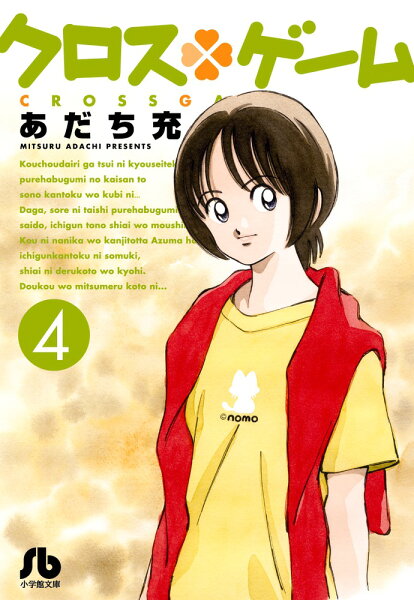
Cross Game
Yu's review of Cross Game — Ko grows up next to the four Tsukishima sisters, loses Wakaba in fifth grade, and spends seventeen volumes chasing the dream she left behind at Koshien.

Sports / Drama
Ore wa Teppei
Ore wa Teppei follows Teppei, a wild boy raised in the mountains who comes to the city and discovers judo — a story about raw talent meeting structured discipline, and what happens when someone who has never been constrained learns to choose constraint.
Sports / Comedy
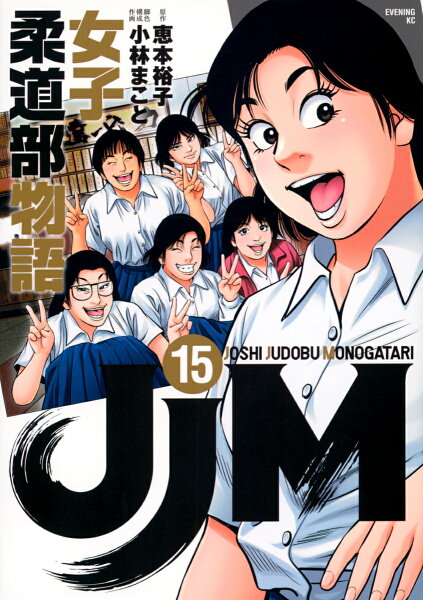
Judo Club Story
Judo Club Story follows Sanshiro Fujimaki, a high school freshman who joins the judo club by mistake and discovers — against his will and better judgment — that he is genuinely good at judo.
Sports / Comedy
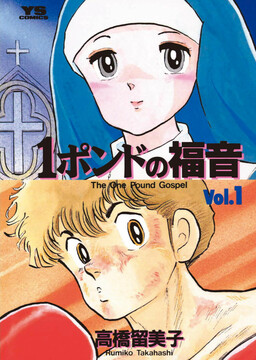
One Pound Gospel
Yu's review of One Pound Gospel — Kōsaku Hatanaka is a genuinely talented featherweight boxer with one catastrophic flaw: he can't stop eating, constantly missing weight for his fights; Sister Angela, a young nun, becomes his most unlikely source of encouragement; Rumiko Takahashi's compact boxing comedy with a warm central relationship.
Sports
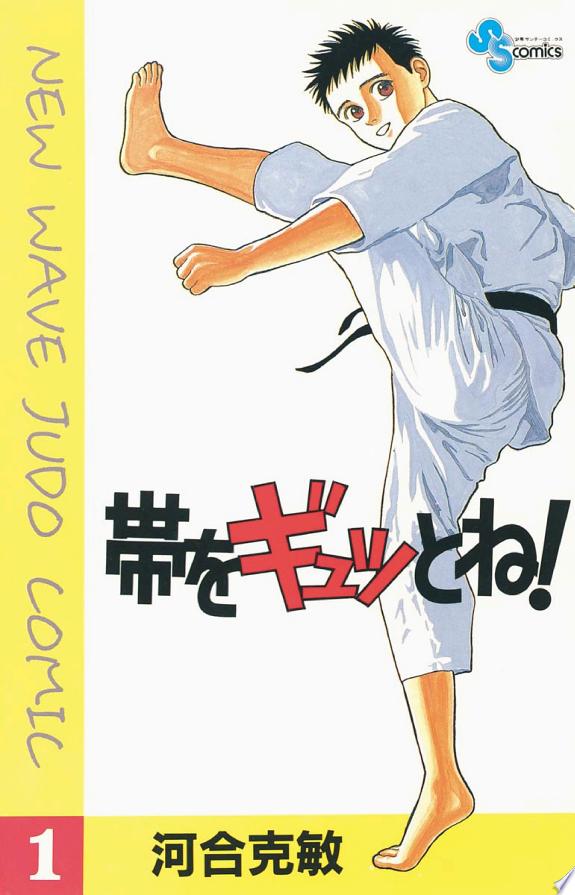
Obi wo Gyutto ne!
Obi wo Gyutto ne! follows a group of friends who form a judo club at their new high school — a sports manga that balanced competitive judo with genuine friendship and romantic comedy across 30 volumes.
Sports / Romance
Touch
Twin brothers Tatsuya and Kazuya Uesugi live next door to Minami Asakura. Kazuya is the baseball genius. Tatsuya is the slacker. Minami's dream is to see one of them pitch at Koshien. Then volume 6 happens, and Mitsuru Adachi's 1981 baseball manga becomes the work that defined Japanese sports manga forever.
Written by
Yu
Manga Enthusiast from Japan
I grew up in Japan and manga literally saved me during a tough time in elementary school. My English isn't perfect, but my love for manga is real — and I want to share it with you.
Disclosure: This post contains affiliate links. As an Amazon Associate, I earn from qualifying purchases at no extra cost to you.