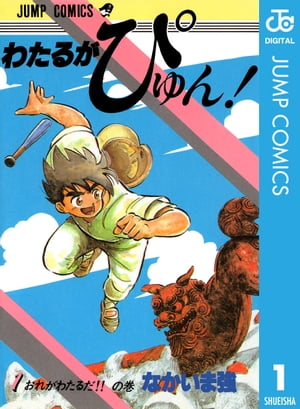
Wataru ga Pyun! Review: The Baseball Manga Where the Hero Was Faster Than the Plot Could Catch
by Sho Naruto
Read the first volume. If it doesn't hook you, put it down. It'll hook you.
Buy Wataru ga Pyun! on Amazon →*Affiliate link — I earn a small commission at no extra cost to you.
He was so fast that the manga's name acknowledged it. The baseball was the same idea, sustained for 53 volumes.
Quick Take
- Sho Naruto's 53-volume baseball manga from Monthly Shonen Jump — Wataru's career across high school, college, and professional baseball
- Among the longest-running baseball manga ever, with character development tracked across decades of in-universe time
- A Monthly Jump cornerstone that helped define what the magazine could sustain
Who Is This Manga For?
- Baseball manga readers who want the genre's most extended treatment
- Long-running series fans who want a manga that grows with its protagonist
- Monthly Shonen Jump enthusiasts who want the magazine's signature work
- Anyone interested in how baseball careers actually unfold across decades
Content Warnings & Age Rating
Age Rating: T (Teen) Content Warnings: Sports competition, occasional comedy violence, period attitudes. Wholesome throughout.
Suitable for most readers.
Yu's Rating
| Category | Score |
|---|---|
| Story Depth | ★★★★☆ |
| Art Style | ★★★★☆ |
| Character Development | ★★★★☆ |
| Accessibility for Non-Japanese Readers | ★★★☆☆ |
| Reread Value | ★★★☆☆ |
Story Overview
Wataru Aizawa is a baseball prodigy whose defining trait is impossible speed. As a runner he is faster than his opponents can react. As a pitcher his fastball moves at speeds that catchers struggle to handle. The series follows his career from middle school through high school, college, and professional baseball — a complete career arc across 53 volumes.
The structure is sequential career progression. Each level of competition introduces new opponents, new teammates, new challenges that Wataru's gift alone cannot solve. The series' length allows it to do something most baseball manga can't: track development at realistic pace, including setbacks, plateaus, and the kinds of slow improvements that actual careers require.
Naruto (no relation to the more famous manga) builds the baseball world around Wataru with attention to detail. Teams have personalities, leagues have politics, the transition points (high school to college, college to pro) are depicted with their actual complications. Across 53 volumes the world becomes lived-in.
Characters
Wataru Aizawa: The fast protagonist whose career is the through-line — he ages and matures across volumes, with the changes feeling earned rather than arbitrary.
The teammates: Across his career, several long-running supporting characters develop alongside him.
The opponents: Each level of play introduces new rivals, some of whom recur across multiple arcs as Wataru's career intersects theirs.
Art Style
Naruto's art has the clean, dynamic quality of Monthly Jump baseball — pitching motions captured with attention to mechanics, running sequences emphasizing speed through linework, character designs that age plausibly across the long timeline.
Cultural Context
Wataru ga Pyun! ran from 1988 to 2010 in Monthly Shonen Jump — over 20 years. The series belongs to Japanese baseball manga's strong tradition that includes Touch, H2, and Major, but distinguishes itself through sheer length and the career-arc approach.
The Monthly Jump format (compared to Weekly Jump) allowed for slower pacing and longer arcs, which suited the series' commitment to depicting realistic career progression.
What I Love About It
I love how Wataru ages.
Most sports manga keep their protagonists within a single phase — high school, usually. Wataru ga Pyun's commitment to tracking his career means readers watch him grow up. The 16-year-old prodigy of early volumes becomes the seasoned pro of later volumes through actual depicted change. The series gives baseball career its full duration, which is uncommon and valuable.
What English-Speaking Fans Say
Limited international awareness without translation. Among Japanese baseball manga enthusiasts, regarded as one of the genre's underappreciated long-runners.
Memorable Scene ⚠️ Spoiler Warning
A late-career professional game where Wataru faces a younger pitcher whose speed exceeds his own — and Wataru's response, which is the recognition that his career has become about more than the gift he was born with. The scene is the series' meditation on what aging in your sport actually feels like.
Similar Manga
| Title | Its Approach | How Wataru ga Pyun Differs |
|---|---|---|
| Major | Career baseball manga from childhood through pro | Wataru ga Pyun is contemporary with Major and shares the career-arc commitment |
| Touch | High school baseball drama | Wataru ga Pyun is longer and tracks more career stages |
| H2 | Adachi's high school baseball | Different tonal register; Wataru ga Pyun is comedic-heroic rather than romantic |
Reading Order / Where to Start
Volume 1. The career arc depends on the foundation.
Official English Translation Status
Wataru ga Pyun! has no official English translation.
Pros & Cons
Pros
- One of the most extensive baseball manga ever made
- Career-arc structure tracks realistic development
- Monthly Jump pacing suits the long-form approach
- Character ages and changes plausibly across 53 volumes
Cons
- No English translation
- Length is a major commitment
- 1988-2010 stylistic register feels dated to modern readers
- Comedic tone dilutes the sports-drama register some readers prefer
Is Wataru ga Pyun! Worth Reading?
For baseball manga enthusiasts who want the genre's longest career-arc treatment, yes — this is among the most extensive works in its category. For readers wanting tight pacing or contemporary aesthetic, the length and dated style may be barriers. As long-form baseball, it earns its 53 volumes.
Format Comparison
| Format | Notes |
|---|---|
| Physical | Japanese editions available |
| Digital | Available in Japanese |
| Omnibus | Collected editions available |
Where to Buy
No English release yet. That just means you find it before everyone else does.
*Affiliate link — I earn a small commission at no extra cost to you.
More Manga You Might Like
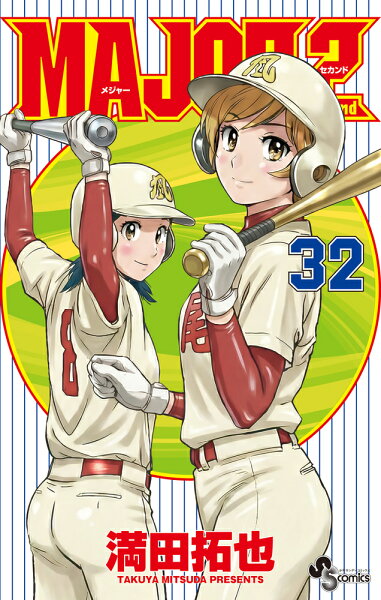
Sports / Drama
Major
Yu's review of Major — Goro Honda is the son of a professional baseball player; when loss defines his childhood, baseball becomes how he carries his father forward; the series follows Goro from little league through professional baseball across 78 volumes, one of the longest complete sports manga stories ever told.
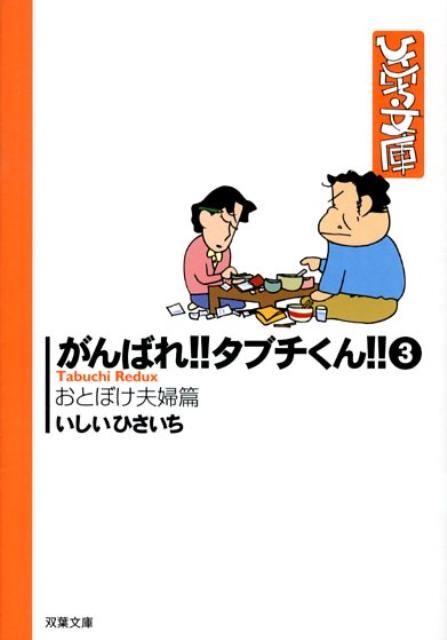
Sports / Comedy
Ganbare!! Tabuchi-kun!!
Ganbare!! Tabuchi-kun!! is Hisaichi Ishii's newspaper 4-koma comedy featuring a parody version of real Seibu Lions player Koji Tabuchi — gentle, self-deprecating, perpetually optimistic baseball humor that ran for years and turned Tabuchi into a beloved cultural figure beyond his actual batting average.
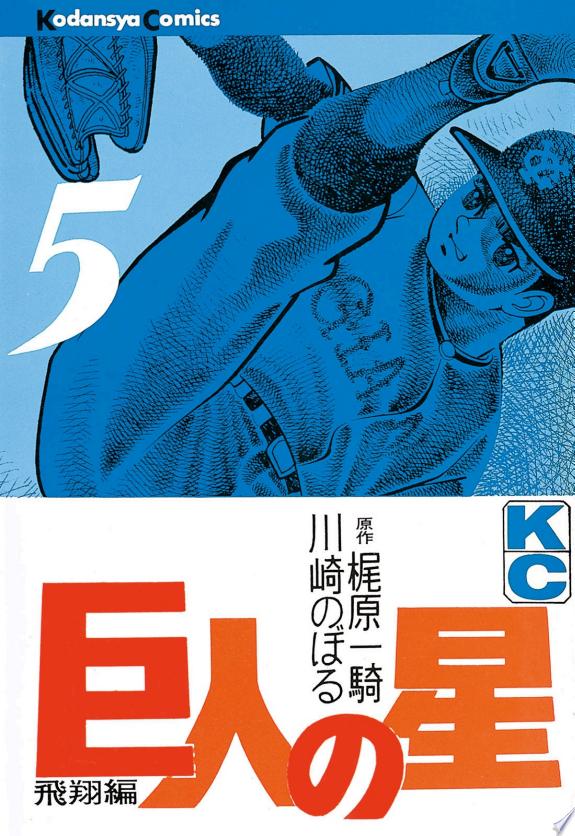
Sports / Drama
Kyojin no Hoshi
Kyojin no Hoshi follows Hyuma Hoshi, whose father — a former baseball player who never achieved his dream — has raised him from childhood to be a star pitcher for the Yomiuri Giants, through training that borders on abuse and produces a player who may be the greatest — at tremendous personal cost.
Sports / Drama
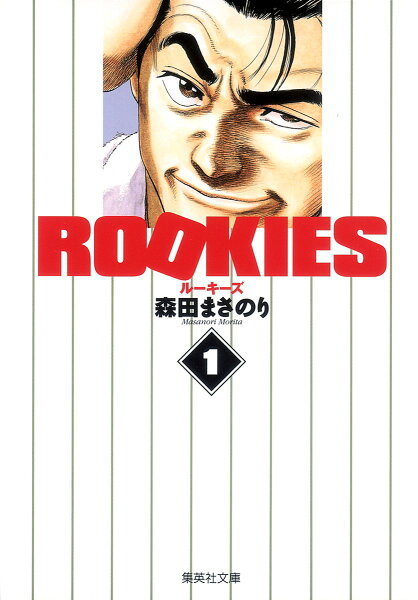
Rookies
Rookies follows Koichi Kawato, a young teacher transferred to Futakotamagawa High School who discovers a baseball club suspended after a violent incident — and decides, against all institutional advice, to coach them back to the Koshien.
Sports / Romance
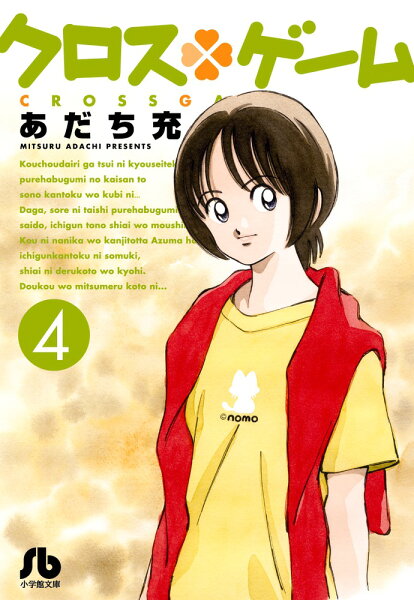
Cross Game
Yu's review of Cross Game — Ko grows up next to the four Tsukishima sisters, loses Wakaba in fifth grade, and spends seventeen volumes chasing the dream she left behind at Koshien.
Sports / Comedy
Yakitate!! Japan
Yu's review of Yakitate!! Japan — Kazuma Azuma has supernatural hands warm enough to activate yeast perfectly, and his dream is to create a national bread for Japan; the series applies shonen battle manga structure to competitive bread-baking with completely committed absurdist comedy.
Written by
Yu
Manga Enthusiast from Japan
I grew up in Japan and manga literally saved me during a tough time in elementary school. My English isn't perfect, but my love for manga is real — and I want to share it with you.