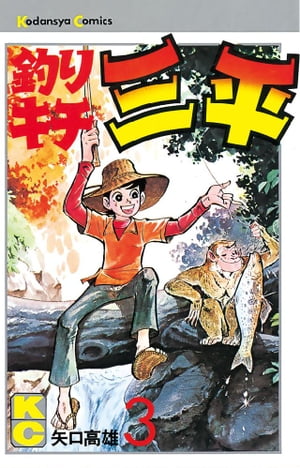
Tsuri Kichi Sanpei Review: The Boy Who Taught a Generation of Japanese Kids to Love Rivers
by Takao Yaguchi
Read the first volume. If it doesn't hook you, put it down. It'll hook you.
Buy Tsuri Kichi Sanpei on Amazon →*Affiliate link — I earn a small commission at no extra cost to you.
What if the sport that shaped a generation of Japanese kids wasn't baseball or soccer, but fishing?
Quick Take
- Takao Yaguchi's 45-volume fishing manga — the boy who would rather be at the river than anywhere else, and the country that follows him there
- Educational about fishing techniques, honest about nature, and warm about rural Japan in a way that feels genuinely affectionate
- One of the longest-running Weekly Shonen Magazine series — a gentle, beloved fixture that ran for nearly two decades
Who Is This Manga For?
- Fishing enthusiasts who want the sport taken seriously as a subject
- Slice-of-life readers who want nature and rural Japan as the setting
- Parents looking for manga that celebrates patient, outdoor pursuits
- Anyone who grew up in rural Japan and recognizes the rivers and rhythms Yaguchi draws
Content Warnings & Age Rating
Age Rating: All Ages Content Warnings: Fishing — fish are caught and depicted naturally. No concerning content.
Appropriate for all readers.
Yu's Rating
| Category | Score |
|---|---|
| Story Depth | ★★★☆☆ |
| Art Style | ★★★★☆ |
| Character Development | ★★★☆☆ |
| Accessibility for Non-Japanese Readers | ★★★☆☆ |
| Reread Value | ★★★★☆ |
Story Overview
Sanpei Mihara is fishing crazy — the title says so, using the Japanese slang term for someone consumed by a particular passion. He lives in the mountains of Akita Prefecture, and the rivers around his village are his entire world. School, friends, everything — it all plays second to whatever is biting at the river that morning.
The series follows Sanpei as his fishing takes him progressively further from home: rivers, lakes, the sea, and eventually competitions that bring him into contact with fishing communities across Japan. Each destination is treated as genuinely different — different fish, different techniques, different relationships between the local people and the water they live beside.
What the series celebrates is patience. Fishing requires waiting, and waiting requires accepting that the water is not under your control. Sanpei's enthusiasm never makes him impatient — he understands that the fish arrives on its own schedule, and the fisherman's job is to be ready when it does.
Characters
Sanpei Mihara: A protagonist whose defining quality is genuine passion — not ambition, not rivalry, but a simple, deep love for the activity itself.
The fishing masters: Throughout the series, Sanpei encounters older fishermen whose knowledge of specific rivers and techniques is encyclopedic. These encounters are the series' educational engine.
Art Style
Yaguchi's art gives careful attention to natural environments — river textures, fish anatomy, the play of light on water. The backgrounds work as genuine nature illustration rather than as setting decoration. Sanpei himself is drawn simply and warmly, easy to like immediately.
Cultural Context
Tsuri Kichi Sanpei ran in Weekly Shonen Magazine from 1973 to 1992. It coincided with Japan's period of rapid urbanization, and the series' celebration of rural, outdoor life carried particular resonance as city childhoods became increasingly normal. An anime adaptation ran from 1978 to 1979.
The series documented Japanese freshwater fishing traditions that were already becoming less common as the country changed — it functions now as both entertainment and cultural record.
What I Love About It
I love the respect for expertise.
Sanpei is enthusiastic but not immediately expert. When he meets a master fisherman — someone who has fished the same river for forty years and knows every rock and current — Sanpei listens. He asks questions. The older generation is not a obstacle to be overcome but a library to be consulted. The series' respect for accumulated knowledge is one of its most appealing qualities.
What English-Speaking Fans Say
Not known outside Japan. Among fans of classic shonen manga and nature-based stories, Tsuri Kichi Sanpei is recognized as one of the most successful and sustained examples of a niche that rarely reaches non-Japanese readers.
Memorable Scene ⚠️ Spoiler Warning
Sanpei at a river he's never fished before, watching the water before casting a single line — reading the current, the depth, the shadows that suggest where fish might rest. The scene has no dialogue. It is purely Sanpei and the river, and the patience that connects them.
Similar Manga
| Title | Its Approach | How Tsuri Kichi Sanpei Differs |
|---|---|---|
| Absan | Long career of a professional baseball player | Fishing as amateur passion rather than professional sport |
| Mushishi | Supernatural nature-focused episodic journey | Grounded nature without supernatural elements |
| Yotsuba&! | Slice-of-life celebration of a curious child | Same warmth focused specifically on fishing and nature |
Reading Order / Where to Start
Volume 1. The series is episodic — any volume works — but the introduction to Sanpei and his home river is the natural starting point.
Official English Translation Status
Tsuri Kichi Sanpei has no official English translation.
Pros & Cons
Pros
- Genuine educational value for fishing enthusiasts
- Warm, patient storytelling that rewards the same patience it celebrates
- Beautiful nature art throughout 45 volumes
- Cultural documentation of rural Japanese life during rapid urbanization
Cons
- No English translation
- Fishing knowledge enhances appreciation significantly
- The gentle pace won't satisfy readers wanting narrative urgency
- 45 volumes is a long commitment for a series without dramatic escalation
Is Tsuri Kichi Sanpei Worth Reading?
For fishing enthusiasts and readers who love nature and rural settings, yes — this is one of the most sustained and affectionate treatments of a quiet sport in manga history. For readers who want competition, conflict, and escalating stakes, this operates in a completely different register. But for what it is — a celebration of patience and rivers — it is exceptional.
Format Comparison
| Format | Notes |
|---|---|
| Physical | Japanese editions available |
| Digital | Available in Japanese |
| Omnibus | Selected collected editions available |
Where to Buy
No English release yet. That just means you find it before everyone else does.
*Affiliate link — I earn a small commission at no extra cost to you.
More Manga You Might Like
Sports / Slice of Life
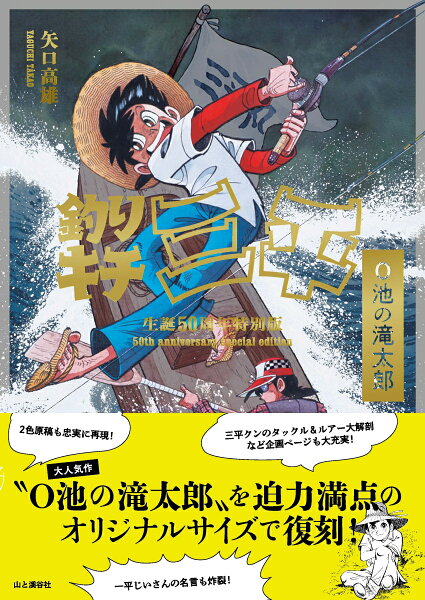
Sanpei the Fisherman
Sanpei the Fisherman follows Sanpei Mihara, a fishing-obsessed boy in rural Akita who travels Japan pursuing the perfect catch — learning about fish, rivers, and people along the way in one of manga's great nature-and-sport series.

Sports / Slice of Life
Absan
Absan follows Yasutake Kageura, a sake-drinking slugger for the Nankai / Daiei / SoftBank Hawks who entered as an undrafted pinch-hitter and retired 37 years later at 61, a 107-volume baseball manga by Shinji Mizushima that ran for over four decades.
Sports / Romance
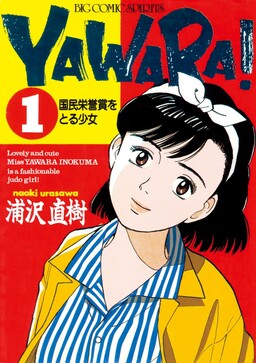
Yawara! A Fashionable Judo Girl
Yu's review of Yawara! — Yawara Inokuma is the granddaughter of a legendary judo master who has trained her since childhood to be a world champion; she has extraordinary talent and absolutely no desire to compete; what follows is her journey toward the Barcelona Olympics despite her own resistance.
Sports / Drama
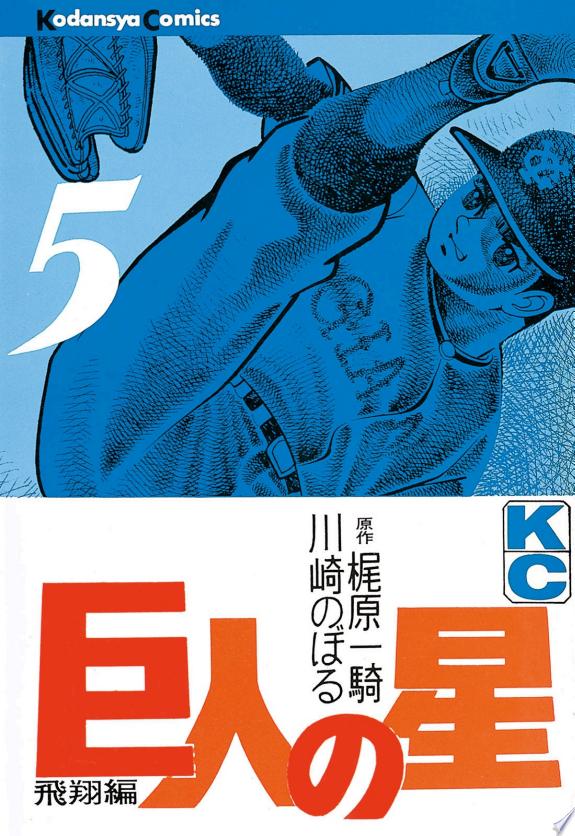
Kyojin no Hoshi
Kyojin no Hoshi follows Hyuma Hoshi, whose father — a former baseball player who never achieved his dream — has raised him from childhood to be a star pitcher for the Yomiuri Giants, through training that borders on abuse and produces a player who may be the greatest — at tremendous personal cost.
Sports / Drama
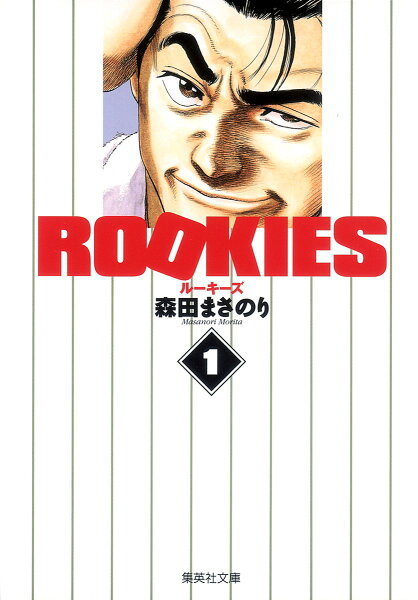
Rookies
Rookies follows Koichi Kawato, a young teacher transferred to Futakotamagawa High School who discovers a baseball club suspended after a violent incident — and decides, against all institutional advice, to coach them back to the Koshien.

Sports / Shojo
Ace wo Nerae!
Ace wo Nerae! follows Hiromi Oka, an ordinary first-year who falls in love with tennis and gets pulled into the brutal, devoted coaching of Jin Munakata — a 1970s shojo classic about a coach who is dying, a player he refuses to let stay ordinary, and what it costs to be the one person someone believes in.
Written by
Yu
Manga Enthusiast from Japan
I grew up in Japan and manga literally saved me during a tough time in elementary school. My English isn't perfect, but my love for manga is real — and I want to share it with you.