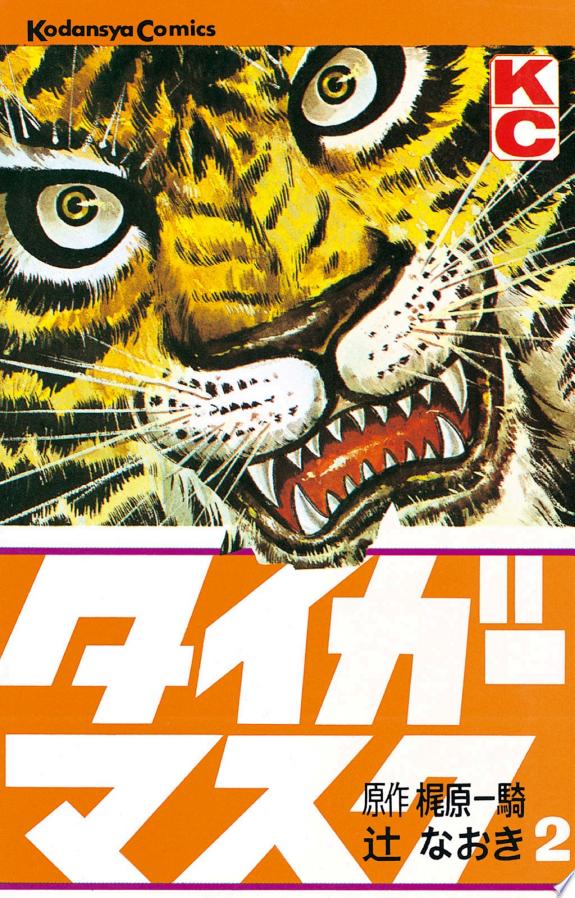
Tiger Mask Review: The Villain Who Turned Good and Couldn't Turn Back
by Ikki Kajiwara / Naoki Tsuji
Read the first volume. If it doesn't hook you, put it down. It'll hook you.
Buy Tiger Mask on Amazon →*Affiliate link — I earn a small commission at no extra cost to you.
What if becoming a good person was a decision that made everything more dangerous?
Quick Take
- Ikki Kajiwara and Naoki Tsuji's wrestling classic — a sports manga about a man who defects from organized crime to wrestle as a hero
- Tiger Mask knows his old organization will try to destroy him; he wrestles anyway
- 7 compact volumes with more emotional weight per page than most series ten times longer
Who Is This Manga For?
- Wrestling fans who want the sport dramatized with genuine emotional stakes
- Readers of Kajiwara's other work (Kyojin no Hoshi, Ashita no Joe) who want the same emotional intensity in a different sport
- Anyone interested in the heel-to-face redemption narrative as the premise rather than the climax
- Readers who want short, complete, emotionally substantial sports manga
Content Warnings & Age Rating
Age Rating: T (Teen) Content Warnings: Wrestling violence throughout. Themes of criminal organization coercion. Redemption themes. Appropriate for the rating.
Suitable for teen readers.
Yu's Rating
| Category | Score |
|---|---|
| Story Depth | ★★★★☆ |
| Art Style | ★★★★☆ |
| Character Development | ★★★★★ |
| Accessibility for Non-Japanese Readers | ★★★★☆ |
| Reread Value | ★★★★☆ |
Story Overview
Naoto Date was raised from childhood by the Tiger's Cave — a criminal organization that trains wrestlers to be heels and takes a portion of their earnings. Date became their most successful product: Tiger Mask, the villain who the crowds love to hate.
His defection begins with a single act of conscience — a fight he refuses to throw as instructed, a child who sees him choose principle over performance. The manga follows the consequences: Tiger Mask now wrestles as a hero while the Tiger's Cave sends every fighter in its stable to destroy him.
The dramatic structure is unusual among sports manga. Most sports stories build toward a final achievement. Tiger Mask's story is a sustained rearguard action — he is always in danger, always outnumbered by the organization's resources, always choosing to keep wrestling despite knowing what it costs. The question is not whether he will win any particular fight but whether he can sustain the decision he has made.
Characters
Tiger Mask / Naoto Date: A protagonist whose arc is complete before the story begins — he has already chosen to be good. The manga is about what that choice costs and what it means to maintain it.
The Tiger's Cave opponents: A parade of increasingly dangerous fighters, each with their own skills and their own relationship to the organization that trained them.
The children: A group of orphans appear throughout — the human stakes of what Tiger Mask is fighting for, beyond his own survival.
Art Style
Naoki Tsuji's wrestling art has the dynamism the sport requires — bodies in dramatic positions, impact conveyed through visual intensity, and faces that register the psychology of competition alongside the physicality. The 1960s art style has its period feeling but delivers what the story needs.
Cultural Context
Tiger Mask ran in Weekly Shonen Magazine from 1968 to 1971. It appeared alongside Kyojin no Hoshi and in the same period as Kajiwara's other major works. The wrestling genre it inhabited was closely tied to professional wrestling's actual popularity in Japan during the period.
The Tiger Mask character became iconic enough that a real masked wrestler adopted the persona, creating a real-world extension of the fictional character.
What I Love About It
I love that the choice to be good is the beginning, not the end.
Most redemption stories build toward the moment of choice. Tiger Mask starts after the choice and asks: what does it take to sustain it? What do you do when being good costs you everything, when the people who made you want to destroy you, when the organization that trained you has infinite resources and you have only yourself? The answer the manga gives is not uplifting in a simple way. It is honest about what sustained goodness requires.
What English-Speaking Fans Say
Not known in English-speaking markets. Among readers of Kajiwara's work and Japanese wrestling manga history, Tiger Mask is recognized as one of the most emotionally coherent short sports manga — a complete story that knows exactly what it's about.
Memorable Scene ⚠️ Spoiler Warning
Tiger Mask, after defeating a Tiger's Cave opponent who had been sent to kill him, helps the defeated fighter rather than leaving him. His reason — that anyone the Cave trained deserves better than to be used and discarded — reveals the scope of what he's actually fighting for. Not just his own freedom. Their freedom too.
Similar Manga
| Title | Its Approach | How Tiger Mask Differs |
|---|---|---|
| Ashita no Joe | Boxing with social rawness and tragedy | Wrestling with organizational politics and redemption focus |
| Kyojin no Hoshi | Baseball achievement through suffering | Wrestling freedom through defiance |
| Kinnikuman | Wrestling as comedy spectacle | Wrestling as morally serious sustained drama |
Reading Order / Where to Start
Volume 1. The premise is established immediately and the story builds from the first episode.
Official English Translation Status
Tiger Mask has no official English translation.
Pros & Cons
Pros
- Short and complete — 7 volumes with no padding
- The "sustained goodness" premise is genuinely original
- Kajiwara's emotional intensity at its most focused
- Tiger Mask himself is one of the medium's best sports protagonists
Cons
- No English translation
- The 1960s wrestling context requires some background
- The art style has its period limitations
- Short length means some opponent storylines feel compressed
Is Tiger Mask Worth Reading?
For Kajiwara fans and sports drama readers, yes without question — this is his most focused work, and the premise is handled with more sophistication than its vintage suggests. For readers unfamiliar with professional wrestling's heel/face structure, a little background helps. But the core story is universal enough to work without it.
Format Comparison
| Format | Notes |
|---|---|
| Physical | Japanese editions available |
| Digital | Available in Japanese |
| Omnibus | Complete in collected editions |
Where to Buy
No English release yet. That just means you find it before everyone else does.
*Affiliate link — I earn a small commission at no extra cost to you.
More Manga You Might Like
Sports / Drama
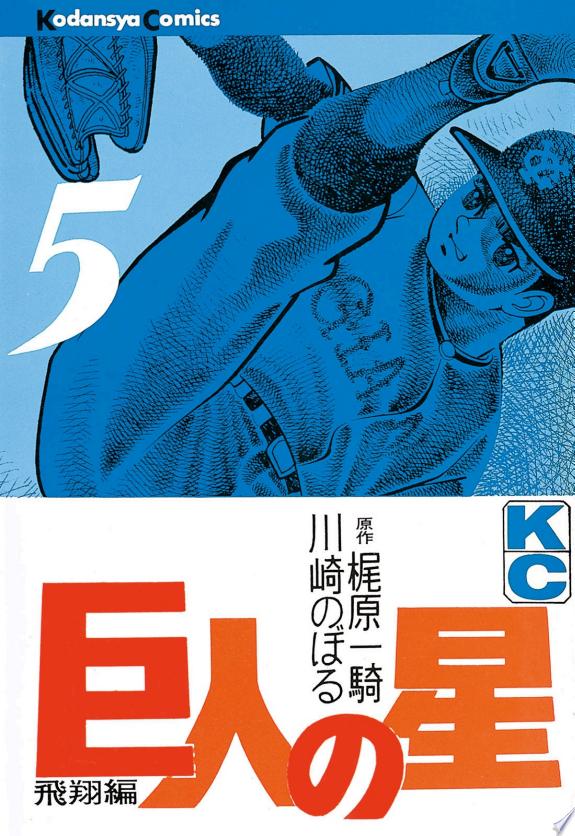
Kyojin no Hoshi
Kyojin no Hoshi follows Hyuma Hoshi, whose father — a former baseball player who never achieved his dream — has raised him from childhood to be a star pitcher for the Yomiuri Giants, through training that borders on abuse and produces a player who may be the greatest — at tremendous personal cost.
Sports / Drama
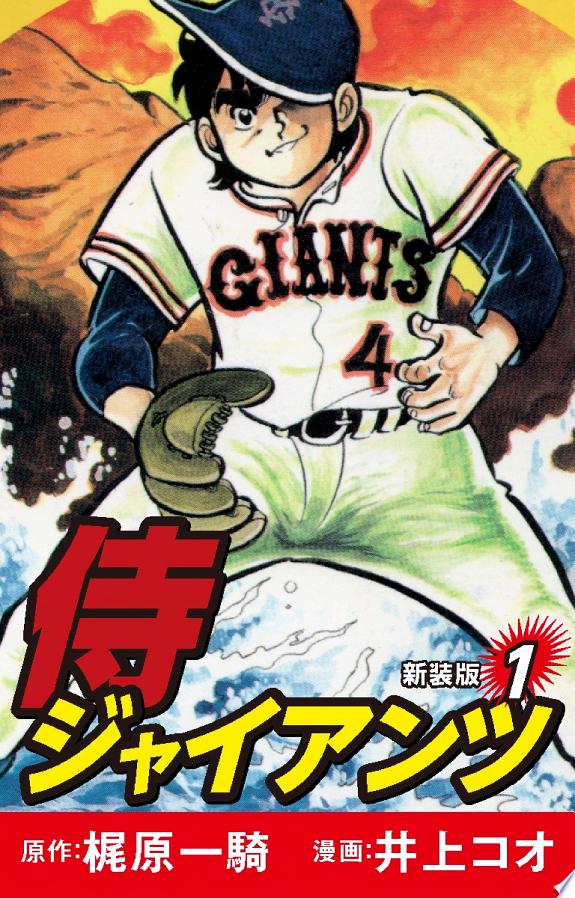
Samurai Giants
Samurai Giants follows Bangai Ban, a wild, untrained pitcher from rural Japan who joins the Yomiuri Giants and develops an extraordinary but physically destructive pitch — competing at the highest level while his arm deteriorates from the very technique that makes him exceptional.
Sports / Drama
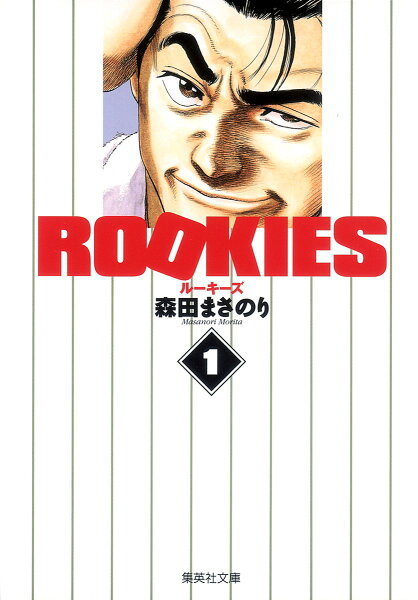
Rookies
Rookies follows Koichi Kawato, a young teacher transferred to Futakotamagawa High School who discovers a baseball club suspended after a violent incident — and decides, against all institutional advice, to coach them back to the Koshien.
Sports / Drama
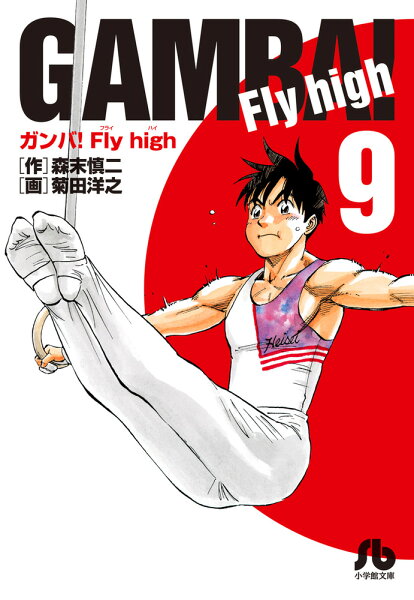
Gamba! Fly High
Gamba! Fly High follows Takeru Fujimaki, a boy with extraordinary natural talent who joins a gymnastics club and discovers that natural ability, without discipline and the right people around you, is not enough to reach the Olympics.

Sports / Drama
Kaze no Daichi
Kaze no Daichi follows Koichi Iino, a self-taught golfer working as a caddy who rises through professional golf — a manga that treats golf with more psychological seriousness than almost any other sports manga treats its subject.
Sports / Drama
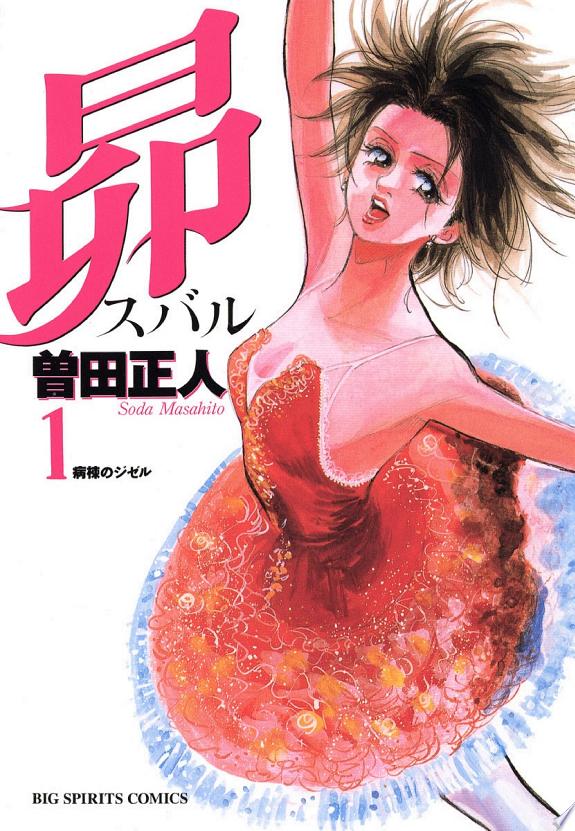
Subaru
Subaru follows Subaru Miyamoto, a young dancer with extraordinary natural talent for ballet — raised after her mother's death by her older brother, trained by demanding teachers, and driven by an internal compulsion to dance that nothing, including injury and loss, can fully extinguish.
Written by
Yu
Manga Enthusiast from Japan
I grew up in Japan and manga literally saved me during a tough time in elementary school. My English isn't perfect, but my love for manga is real — and I want to share it with you.