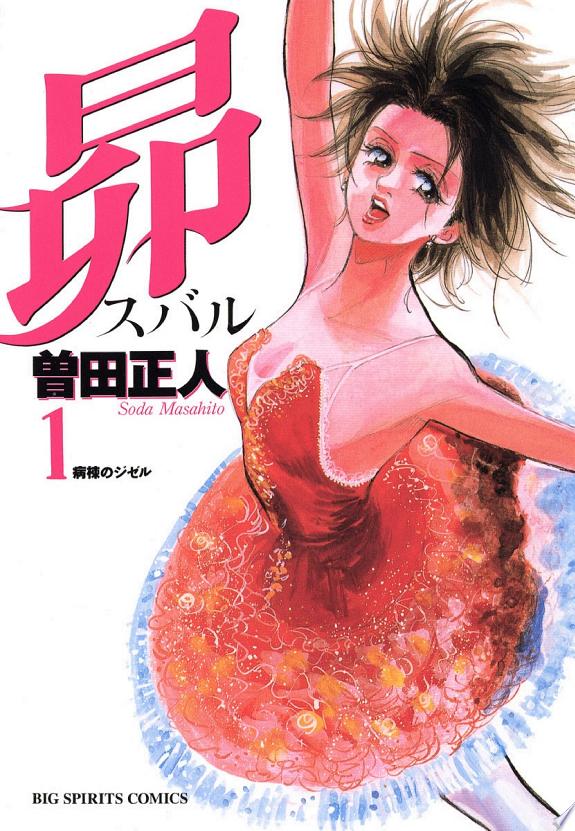
Subaru Review: The Ballet Dancer Who Was Born to Move and Couldn't Be Stopped
by Masahito Soda
Read the first volume. If it doesn't hook you, put it down. It'll hook you.
Buy Subaru on Amazon →*Affiliate link — I earn a small commission at no extra cost to you.
What if the most demanding art form chose you rather than the other way around?
Quick Take
- Waki Yamato's ballet manga — the rare sports manga where the sport is also an art form and the series takes both dimensions seriously
- Subaru's talent is unquestioned; what the manga interrogates is what talent demands of the person who has it
- 12 volumes of physical and emotional intensity that treats ballet with the depth it deserves
Who Is This Manga For?
- Ballet and dance enthusiasts who want a manga that understands the form at a technical level
- Sports manga readers who want the emotional intensity applied to a discipline with artistic as well as athletic dimensions
- Readers who connect with the "chosen by talent" narrative — protagonists who don't choose the art but are chosen by it
- Fans of intense sacrifice-and-perseverance storytelling with a female protagonist
Content Warnings & Age Rating
Age Rating: T (Teen) Content Warnings: Intense training themes — the physical demands of ballet are depicted with accuracy. Sacrifice themes including relationships and health. Death of characters. Physical injury as consequence of training.
Suitable for teen readers.
Yu's Rating
| Category | Score |
|---|---|
| Story Depth | ★★★★☆ |
| Art Style | ★★★★★ |
| Character Development | ★★★★★ |
| Accessibility for Non-Japanese Readers | ★★★★☆ |
| Reread Value | ★★★★☆ |
Story Overview
Subaru Miyamoto lost her mother young. Her brother, who gave up his own ambitions to raise her, sees in Subaru something that their mother also had — a quality of movement that transcends normal training. He arranges for her to study ballet.
The series follows Subaru's development as a dancer: from early classes where her natural talent is immediately apparent, through increasingly demanding training, through competitions and auditions and performances, and through the losses that the dance world accumulates — injuries that end careers, relationships that training consumes, the question of whether the art is worth what it demands.
What distinguishes Subaru from comparable sports manga is Yamato's understanding of ballet as a specific art form with specific physical and artistic requirements. The dance sequences are rendered with genuine technical knowledge, and the emotional content — what dance means, what it gives, what it costs — is taken as seriously as any athletic achievement.
Characters
Subaru: A protagonist whose drive is internal rather than external — she doesn't dance to prove something to others but because the dance itself is necessary to her in ways she cannot fully articulate.
Her brother: The adult figure whose sacrifice makes Subaru's path possible — and whose own relationship to the dance she pursues is more complicated than simple support.
Her teachers: Each instructor represents a different philosophy of dance and a different demand placed on the dancer — the series uses the teacher-student relationship to explore different conceptions of what ballet is for.
Art Style
Waki Yamato's art is exceptional for the dance sequences — the movement of ballet requires capturing transitions rather than positions, and Yamato's dynamic compositions communicate the flow that static images cannot normally contain. The elegance of the subject and the elegance of the art style reinforce each other.
Cultural Context
Subaru ran in Big Comic Original from 1990 to 1996. It appeared during a period when dance and ballet manga were achieving significant visibility in Japanese popular culture, and its combination of technical accuracy and emotional intensity distinguished it within that context.
What I Love About It
I love that the brother understands something Subaru doesn't yet.
From the early volumes, it's clear that the brother sees in Subaru not just talent but a quality that he recognizes from their mother — something that will demand everything and give everything in return. He supports her not naively but knowingly: he understands what he's enabling, and he chooses to enable it anyway.
This is a more honest portrayal of what it means to support someone with extraordinary talent than most sports manga offers.
What English-Speaking Fans Say
Not known in English-speaking markets. Among readers of classic sports manga and dance-related manga, Subaru is recognized as one of the more technically and emotionally complete treatments of ballet in the medium.
Memorable Scene ⚠️ Spoiler Warning
A performance that Subaru gives after a significant personal loss — and the specific quality of the performance that the loss produces, which is different from everything she has danced before. Her teacher's response to the performance is not what Subaru expected, and it reveals something about what dance actually is that all the technical training hadn't.
Similar Manga
| Title | Its Approach | How Subaru Differs |
|---|---|---|
| Swan (Ariyoshi) | Ballet manga with similar intensity | Direct predecessor — Swan established the ballet manga template that Subaru inherits |
| Glass Mask | Theater performance with similar intensity of talent | Performing arts drama in different medium, same dedication structure |
| Ace wo Nerae! | Sports shojo with demanding coach | Same era's template applied to different discipline |
Reading Order / Where to Start
Volume 1. The relationship between Subaru and her brother is established from the beginning and the series builds on it.
Official English Translation Status
Subaru has no official English translation.
Pros & Cons
Pros
- The ballet sequences are technically accurate and visually compelling
- Subaru's character development is among the series' best achievements
- The brother's knowing support is rare and affecting
- 12 volumes — long enough to earn its conclusions
Cons
- No English translation
- Some familiarity with ballet terminology enhances the reading
- The intensity of the sacrifice themes may be heavy for some readers
- The sports manga structure applies ballet conventions that may feel dated
Is Subaru Worth Reading?
For ballet enthusiasts and sports drama readers, yes — the technical accuracy and emotional depth distinguish this from comparable work. For general sports manga readers, the ballet context requires some engagement with unfamiliar territory. But as a portrait of what extraordinary talent demands and gives, this is one of the medium's more honest examples.
Format Comparison
| Format | Notes |
|---|---|
| Physical | Japanese editions available |
| Digital | Limited availability in Japanese |
| Omnibus | Collected editions available |
Where to Buy
No English release yet. That just means you find it before everyone else does.
*Affiliate link — I earn a small commission at no extra cost to you.
More Manga You Might Like
Sports / Drama
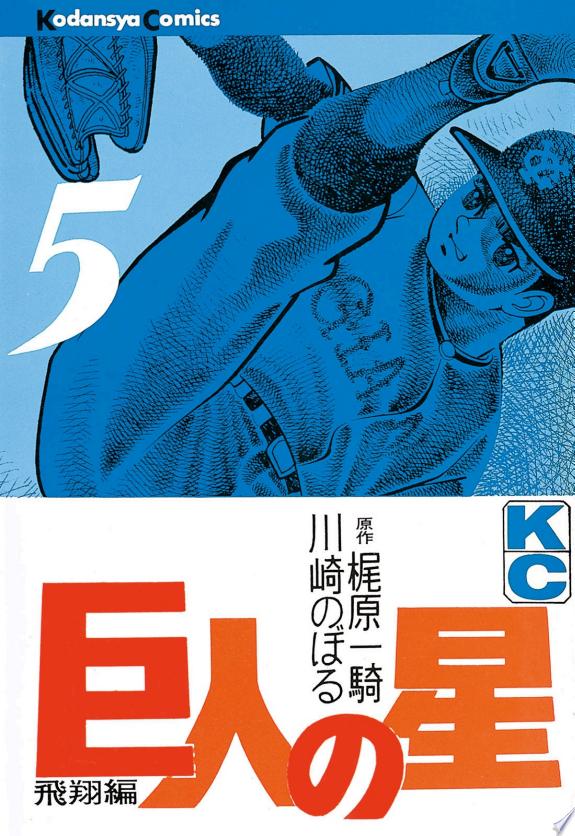
Kyojin no Hoshi
Kyojin no Hoshi follows Hyuma Hoshi, whose father — a former baseball player who never achieved his dream — has raised him from childhood to be a star pitcher for the Yomiuri Giants, through training that borders on abuse and produces a player who may be the greatest — at tremendous personal cost.
Sports / Drama
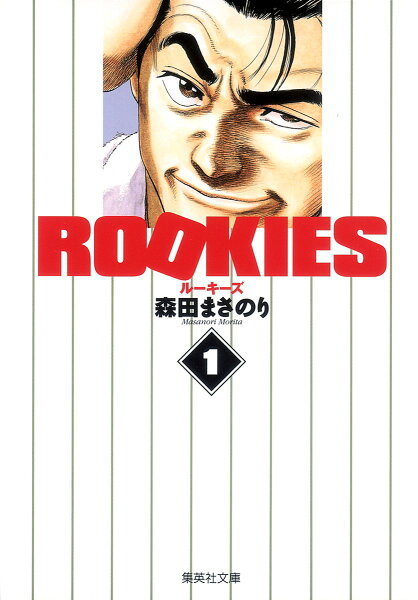
Rookies
Rookies follows Koichi Kawato, a young teacher transferred to Futakotamagawa High School who discovers a baseball club suspended after a violent incident — and decides, against all institutional advice, to coach them back to the Koshien.

Drama / Sports
Swan
A girl from Hokkaido fights to become a world-class ballerina in the manga that defined ballet shojo.
Sports / Drama
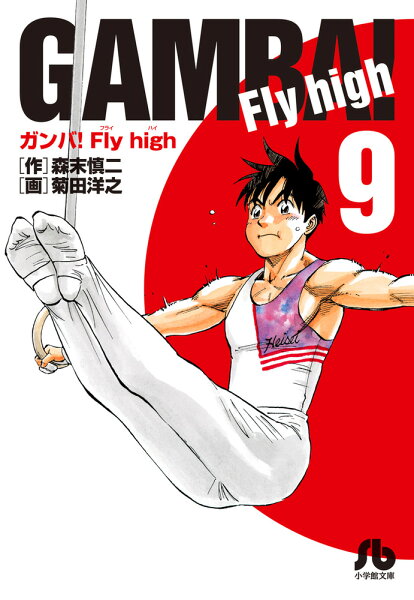
Gamba! Fly High
Gamba! Fly High follows Takeru Fujimaki, a boy with extraordinary natural talent who joins a gymnastics club and discovers that natural ability, without discipline and the right people around you, is not enough to reach the Olympics.

Sports / Drama
Kaze no Daichi
Kaze no Daichi follows Koichi Iino, a self-taught golfer working as a caddy who rises through professional golf — a manga that treats golf with more psychological seriousness than almost any other sports manga treats its subject.
Sports / Drama
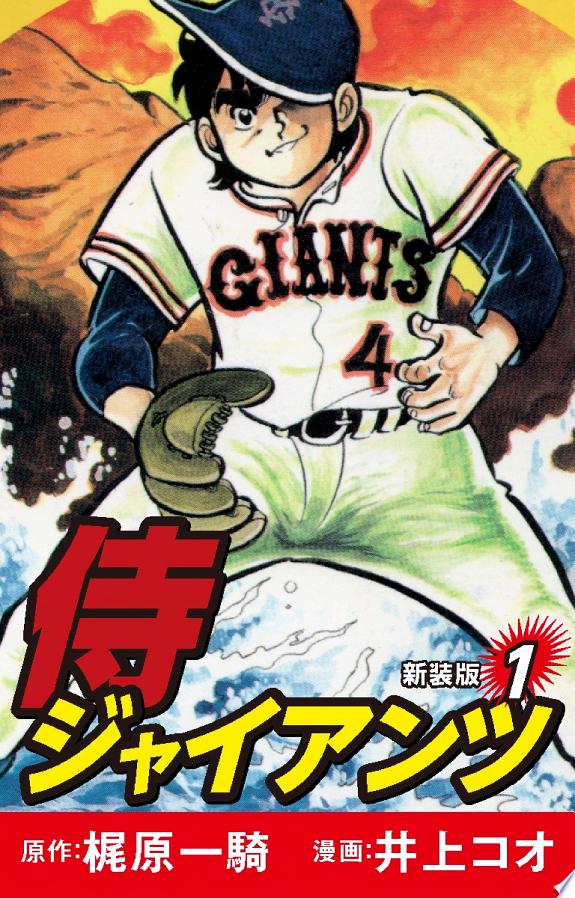
Samurai Giants
Samurai Giants follows Bangai Ban, a wild, untrained pitcher from rural Japan who joins the Yomiuri Giants and develops an extraordinary but physically destructive pitch — competing at the highest level while his arm deteriorates from the very technique that makes him exceptional.
Written by
Yu
Manga Enthusiast from Japan
I grew up in Japan and manga literally saved me during a tough time in elementary school. My English isn't perfect, but my love for manga is real — and I want to share it with you.