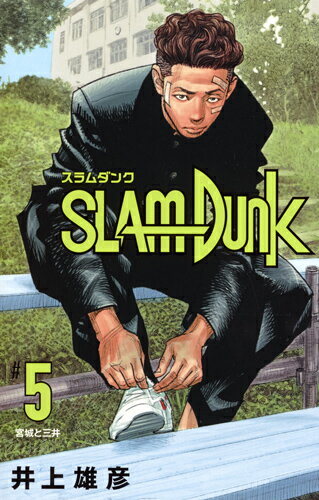
Slam Dunk Review: The Manga That Taught a Generation to Love Basketball
by Takehiko Inoue
Read the first volume. If it doesn't hook you, put it down. It'll hook you.
Buy Slam Dunk on Amazon →*Affiliate link — I earn a small commission at no extra cost to you.
Quick Take
- A tall delinquent joins the basketball team to impress a girl and might be the most naturally gifted player anyone has ever seen
- The manga that created a basketball boom in Japan and is still the standard against which all sports manga is measured
- 31 volumes, complete, with one of the greatest tournament arcs in the genre
Who Is This Manga For?
- Anyone who wants to be entertained — this is the most broadly accessible sports manga ever made
- Readers who want comedy alongside their sports action
- Fans of redemption arcs and characters who earn their abilities through effort (mostly)
- Anyone who wants to understand what makes Haikyuu!! and Kuroko's Basketball feel the way they feel
Content Warnings & Age Rating
Age Rating: T (Teen) Content Warnings: Basketball injuries (depicted realistically in later volumes), mild delinquent character violence in early volumes
Very accessible. The early delinquent material is light.
Yu's Rating
| Category | Score |
|---|---|
| Story Depth | ★★★★☆ |
| Art Style | ★★★★★ |
| Character Development | ★★★★★ |
| Accessibility for Non-Japanese Readers | ★★★★★ |
| Reread Value | ★★★★★ |
Story Overview
Hanamichi Sakuragi has been rejected by fifty girls. He is tall, red-haired, and tends to lead with his fists. When Haruko, the most beautiful girl in school, asks if he likes basketball, he says yes immediately. He has never played basketball in his life.
Haruko introduces him to her brother Akagi, the captain of Shohoku High's basketball team, who needs players desperately. Sakuragi joins. His teammate Rukawa, whom Haruko has a crush on, is effortlessly talented and completely disinterested in Sakuragi's existence. This is not acceptable to Sakuragi.
The comedy of Sakuragi's self-delusion — he constantly declares himself a genius before he has earned anything — is the engine of the early manga. But Inoue is too good a storyteller to leave it there. As the manga progresses, Sakuragi actually starts to earn it. The development of his specific skills, the closing of the gap between who he thinks he is and who he is becoming, is one of sports manga's great arcs.
The Interhigh tournament arc, particularly the Sannoh game, is where Slam Dunk transcends genre and becomes something genuinely moving.
Characters
Hanamichi Sakuragi — One of the funniest and most lovable protagonists in sports manga. His ego is enormous, his self-awareness is limited, and his determination is absolute. Watching him grow is the pleasure of the manga.
Kaede Rukawa — The prodigy who barely acknowledges that Sakuragi exists. His cool professionalism is the perfect counterpoint to Sakuragi's chaos.
Takenori Akagi — The captain, a center who has worked for years toward what Sakuragi stumbles toward naturally. His respect for Sakuragi, developed slowly, means something.
Ryota Miyagi — The point guard, the smallest on the team, with skill and heart and a specific anger that the manga takes seriously.
Hisashi Mitsui — A former MVP who quit basketball and became a delinquent; his return to the team is one of the manga's early dramatic highlights.
Art Style
Takehiko Inoue is arguably the greatest sports manga artist who has ever worked. His basketball action sequences are kinetic, readable, and physically correct — you can see exactly what every player is doing and why it matters. His character faces carry genuine emotion. His most striking quality is scale — the feeling of a gymnasium, a crowd, a game moment — that he renders with authority.
Cultural Context
Basketball was not a mainstream sport in Japan when Slam Dunk began in 1990. The manga is credited with creating a nationwide basketball boom. It depicted the sport with sufficient technical accuracy that readers who had never seen a real basketball game understood what they were watching. This was not a given in manga sports coverage of the era.
What I Love About It
The Sannoh game is one of the greatest game arcs in sports manga history. What Inoue does — who scores what, at what moment, against what opposition — is not what you expect. What the final chapter of that game does is not what you expect either. I finished it and had to sit still for a while.
I also love how Slam Dunk earns its comedy. Sakuragi's self-delusion is funny because we know he does not deserve the confidence yet. As he earns it, the comedy shifts character — it becomes affectionate rather than laughing at him. When he finally does something that justifies his belief in himself, it lands completely because Inoue made you wait for it.
What English-Speaking Fans Say
Slam Dunk is revered in Western manga fandom, but with a specific caveat: it is better known in Asia (particularly in China, where it was a cultural phenomenon) than in the West. The 2022 animated film The First Slam Dunk brought enormous new attention to it globally. Western readers who discover it through the film or through recommendations consistently express surprise at how it holds up — the art remains among the best in sports manga, and Sakuragi remains one of the most entertaining protagonists.
Memorable Scene ⚠️ Spoiler Warning
The moment in the Sannoh game where Sakuragi is injured, leaves the court, and what he decides — without speaking, shown only through action — is the defining moment of his character arc. Everything the manga built over 30 volumes arrives at that panel. I cannot read it without feeling something significant.
Similar Manga
- Haikyu!! — The spiritual successor; volleyball, similar heart
- Kuroko's Basketball — More fantastical, same basketball setting
- Vagabond (same author) — Historical Japan, completely different, the same level of art
- Eyeshield 21 — American football, similar comedy-to-drama progression
Reading Order / Where to Start
Volume 1. The manga shifts tone significantly around volume 10 when the tournament begins — some readers prefer the early comedy, some prefer the later drama. Both are excellent.
VIZ Media released a new "Slam Dunk Omnibus" edition that is the current recommended format.
Official English Translation Status
VIZ Media published the complete series. The current Omnibus edition (3-in-1) is the recommended format.
Pros & Cons
Pros
- Sakuragi is one of sports manga's greatest protagonists
- Inoue's art remains the gold standard for basketball manga
- Perfect balance of comedy and drama
- The Sannoh game is one of the great arcs in sports manga
Cons
- Early volumes are heavier on delinquent comedy that some readers find dated
- Haruko's role decreases significantly as the manga becomes more basketball-focused
- The ending, while perfect, arrives somewhat abruptly
Format Comparison
| Format | Notes |
|---|---|
| Omnibus (3-in-1) | Recommended — VIZ's current edition, good value |
| Individual Volumes | Available; the omnibus is better |
| Digital | Available; Inoue's art benefits from larger screens |
Where to Buy
Read the first volume. If it doesn't hook you, put it down. It'll hook you.
This post contains affiliate links. If you purchase through these links, I may earn a small commission at no extra cost to you. As an Amazon Associate, I earn from qualifying purchases.
*Affiliate link — I earn a small commission at no extra cost to you.
More Manga You Might Like
Sports / Drama
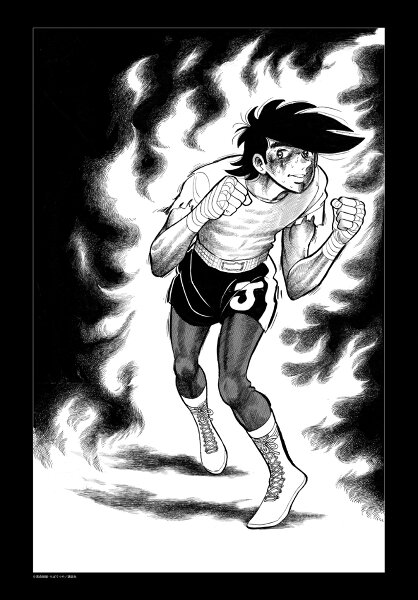
Ashita no Joe
Yu's review of Ashita no Joe — Joe Yabuki claws out of the postwar Tokyo slums, is found by a broken-down trainer, and turns boxing into a way to burn himself completely. From Rikiishi's fatal weight cut to the white-ash final scene, this is the manga that taught the whole genre what cost means.
Sports / Drama
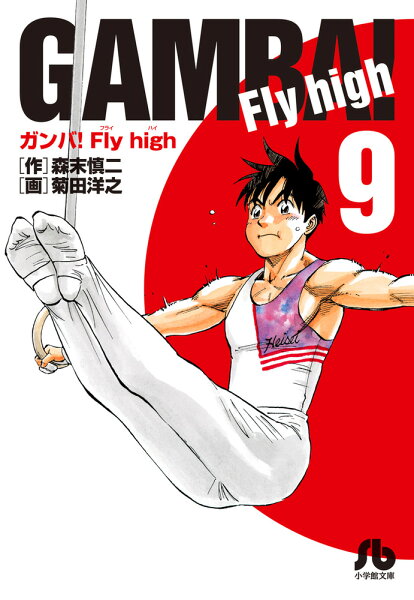
Gamba! Fly High
Gamba! Fly High follows Takeru Fujimaki, a boy with extraordinary natural talent who joins a gymnastics club and discovers that natural ability, without discipline and the right people around you, is not enough to reach the Olympics.
Sports / Drama
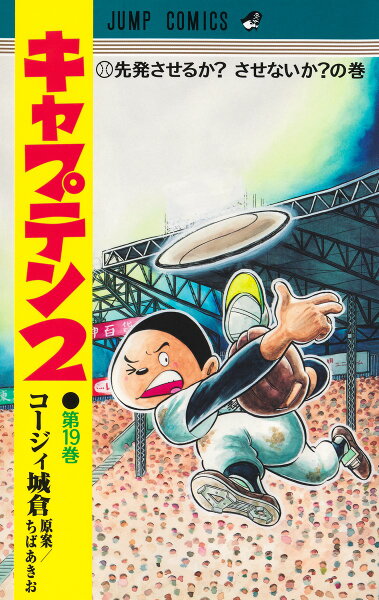
Captain
Captain follows four generations of captains at a weak downtown middle school baseball team — starting with Takao Taniguchi, a former bench player mistaken for a star, who trains himself half to death rather than admit the truth.
Sports / Drama
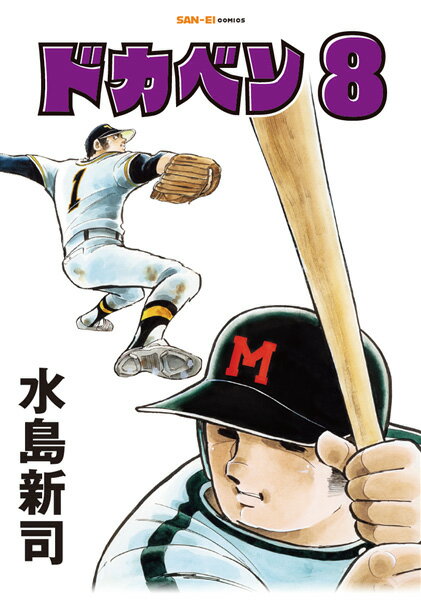
Dokaben
Dokaben follows Taro Yamada, a gentle giant who starts out in his middle school's judo club before becoming the catcher who carries Meikun High School to Koshien. Shinji Mizushima's classic ran in Weekly Shonen Champion from 1972 to 1981.
Sports / Drama
Ore wa Teppei
Ore wa Teppei follows Teppei, a wild boy raised in the mountains who comes to the city and discovers judo — a story about raw talent meeting structured discipline, and what happens when someone who has never been constrained learns to choose constraint.
Sports / Drama
Play Ball
Play Ball follows Koichi Tani, a key player from Captain, into high school at Sumiya High — a sequel that shifts perspective and asks what happens to the supporting cast after the captain's era ends.
Written by
Yu
Manga Enthusiast from Japan
I grew up in Japan and manga literally saved me during a tough time in elementary school. My English isn't perfect, but my love for manga is real — and I want to share it with you.
Disclosure: This post contains affiliate links. As an Amazon Associate, I earn from qualifying purchases at no extra cost to you.