Shoot! Review: The Soccer Dream That Came Before the J-League Was Real
by Tsukasa Oshima
Read the first volume. If it doesn't hook you, put it down. It'll hook you.
Buy Shoot! on Amazon →*Affiliate link — I earn a small commission at no extra cost to you.
Quick Take
- The soccer manga that ran through the J-League founding years — part document, part dream
- Built on a grief premise that gives the usual sports motivation unusual weight
- A classic of 1990s shonen sports manga with real emotional foundations
Who Is This Manga For?
- Soccer / football manga fans looking for the 1990s classics that preceded Captain Tsubasa's global spread
- Readers who want emotional weight in their sports stories — this one starts with a death
- Historical manga readers interested in how Japan's soccer culture developed through this era
- Classic Weekly Shonen Magazine readers who remember this series from its original run
Content Warnings & Age Rating
Age Rating: T (Teen) Content Warnings: Grief (childhood friend's death as the setup premise), sports competition, friendship themes
The grief element is handled with genuine seriousness and gives the series its distinctive emotional foundation.
Yu's Rating
| Category | Score |
|---|---|
| Story Depth | ★★★★☆ |
| Art Style | ★★★☆☆ |
| Character Development | ★★★★☆ |
| Accessibility for Non-Japanese Readers | ★★★☆☆ |
| Reread Value | ★★★☆☆ |
Story Overview
Toshihiko Tanaka's childhood friend Kazuhiro died young, after an accident, leaving behind one request: keep playing soccer.
Toshihiko doesn't particularly love soccer. But a promise to a dead friend is not the same as an ordinary promise. He joins Kakegawa High School's soccer team — which was famous once and has fallen apart — and begins a process that is simultaneously athletic development and grief work.
The team he finds is full of talented individuals who need something to cohere around. The soccer club needs to be rebuilt from disrepute. Toshihiko needs to understand why he's here and what it means to honor Kazuhiro's memory through something he didn't choose.
What follows is thirty-six volumes of competitive soccer, team development, and an ongoing reckoning with what we owe the people we lose.
Characters
Toshihiko Tanaka: Motivated by obligation before desire — this is unusual in sports manga protagonists, who are typically driven by passion for the sport. Toshihiko has to find his own reasons to keep going, which gives his development a different quality than the typical sports hero.
The Kakegawa team: Each member has their own backstory and their own relationship to the team's legacy. The ensemble cast develops across many volumes.
Kazuhiro (in memory): The dead friend whose presence is felt throughout the series — in Toshihiko's choices, in what the team might mean if it succeeds.
Art Style
Oshima's art is characteristic of 1990s shonen manga — energetic, occasionally crude, with the soccer sequences prioritizing dynamism over anatomical precision. Character designs are varied and recognizable. The style dates the series clearly, which is part of its historical texture.
Cultural Context
Shoot! ran from 1990 to 2003, overlapping almost exactly with the founding and early years of the J-League (Japan's professional soccer league, established 1993). The manga participated in the cultural moment that transformed soccer from a minor sport in Japan to a major one.
The series is part of a generation of soccer manga — alongside Captain Tsubasa — that helped build the culture of Japanese soccer fandom. Reading it now is reading a document of that transformation.
What I Love About It
I love that Shoot! begins with grief.
Most sports manga begin with passion — the protagonist loves this sport, wants to be the best, will sacrifice everything for the dream. Toshihiko doesn't begin with passion. He begins with a promise. And somewhere in the thirty-six volumes of his keeping that promise, he finds his own reasons.
That arc — from obligation to ownership, from honoring the dead to building something for the living — is rarer in sports manga than it should be. The sport is the vehicle for something more fundamental: figuring out what you want to do with a life that has been interrupted by loss.
The soccer is good too.
What English-Speaking Fans Say
Shoot! is not well-known in English-speaking markets — the series was never translated, and its era means it's somewhat overshadowed by Captain Tsubasa in historical discussion. Readers who know it tend to be 1990s anime/manga enthusiasts who remember the OVA adaptation or have read the Japanese editions.
The consistent note: it's better than its relative obscurity suggests, and the grief premise gives it emotional depth that most sports manga of its era didn't attempt.
Memorable Scene ⚠️ Spoiler Warning
A match in the later volumes where Toshihiko, under real competitive pressure, plays a sequence that Kazuhiro used to play — and the team recognizes it, and it's both a tribute and a transformation, because Toshihiko is no longer imitating his friend but playing as himself, having absorbed the influence and made it his own. That's the series' emotional completion, and it lands.
Similar Manga
- Captain Tsubasa: Same era, global focus rather than community focus
- Aoashi: Modern soccer manga that builds on what this generation established
- Days: More recent high school soccer with similar ensemble dynamics
Reading Order / Where to Start
Volume 1. The grief premise requires building from the beginning.
Official English Translation Status
Shoot! has no official English translation. Available in Japanese only.
Pros & Cons
Pros
- Unusual emotional foundation (grief into purpose)
- Historical document of 1990s Japanese soccer culture
- 36 volumes of complete arc — deeply developed
- Toshihiko's motivation arc is genuinely distinctive
Cons
- No English translation
- Art style is dated
- 36 volumes is a major commitment
- Cultural context of 1990s Japan soccer needed
Format Comparison
| Format | Notes |
|---|---|
| Physical | Japanese editions available |
| Digital | Available in Japanese |
| Omnibus | Not available |
Where to Buy
No English release yet. That just means you find it before everyone else does.
*Affiliate link — I earn a small commission at no extra cost to you.
More Manga You Might Like
Sports / Drama
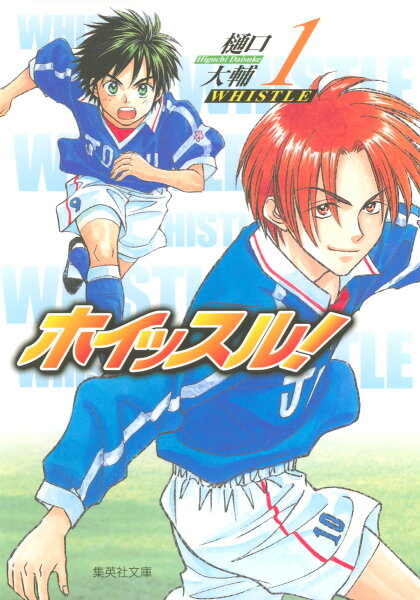
Whistle!
Yu's review of Whistle! — Sho Kazamatsuri was cut from his elite school's soccer team for lacking talent; he transfers to a school where he can actually play and works relentlessly to become a real player; the series follows his growth from the team's weakest member to something more.
Sports
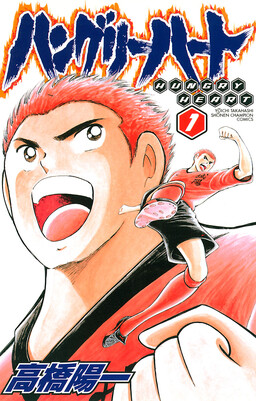
Hungry Heart Wild Striker
Yu's review of Hungry Heart Wild Striker — Kyōsuke Kanou is a soccer prodigy who quit the sport because of his older brother's overwhelming talent; when he joins a struggling team and meets a dedicated coach, he rediscovers his hunger for the game; a return to pure soccer manga from the Captain Tsubasa creator.
Sports
Captain Tsubasa
Yu's review of Captain Tsubasa — Yoichi Takahashi's 37-volume soccer classic that sparked Japan's football boom, following prodigy Tsubasa Ozora from a schoolyard duel to the national stage.
Sports / Drama
Aoashi
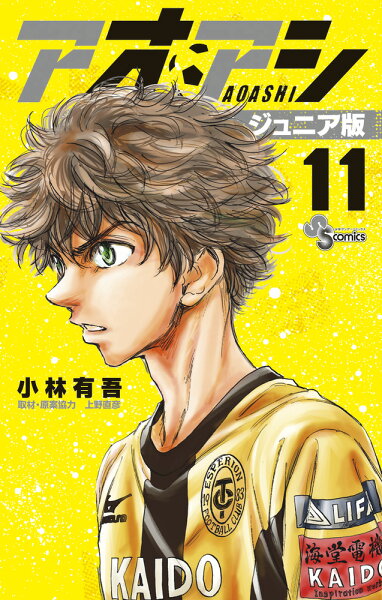
A review of Yuugo Kobayashi's Aoashi — ongoing in Weekly Big Comic Spirits. Ashito Aoi, a rough soccer talent from rural Ehime, is scouted into Tokyo's FC Tokyo youth academy. The series is about learning what modern soccer actually is — through a boy who sees the entire field and has to be taught how to use what he sees. Titan Comics' English edition is ongoing.
Sports
Hajime no Ippo
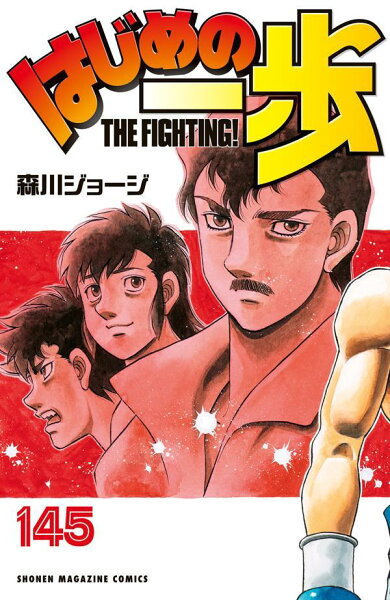
Yu's review of Hajime no Ippo — a bullied high school boy is saved by a professional boxer, discovers he has a natural gift for the sport, and begins the long road to becoming a champion.
Sports
Giant Killing
Yu's review of Giant Killing — Takeshi Tatsumi, a player who disappeared from Japanese professional soccer and became a legend coaching a small English team, is hired to rescue East Tokyo United from the bottom of the J-League; a soccer management drama that treats the tactical and human sides of sports organization with equal seriousness.
Written by
Yu
Manga Enthusiast from Japan
I grew up in Japan and manga literally saved me during a tough time in elementary school. My English isn't perfect, but my love for manga is real — and I want to share it with you.