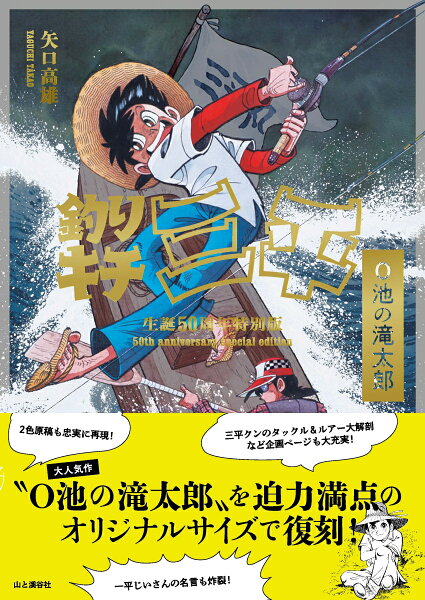
Sanpei the Fisherman Review: The Boy and the River, and Everything a Fish Can Teach You
by Takao Yaguchi
Read the first volume. If it doesn't hook you, put it down. It'll hook you.
Buy Sanpei the Fisherman on Amazon →*Affiliate link — I earn a small commission at no extra cost to you.
Quick Take
- The definitive fishing manga — not about sport as competition but about fishing as a way of knowing the natural world
- Sanpei's journeys through Japan's rivers and lakes make the country's landscape as much of a character as its people
- Gentle, knowledgeable, and genuinely good-natured in a way that becomes rare as manga becomes more intense
Who Is This Manga For?
- Fishing enthusiasts who want their interest treated with depth and genuine knowledge
- Readers who love nature manga and the specific contemplative quality of the outdoors
- Fans of travel and regional Japan — Sanpei's journeys document Japanese river and lake ecosystems
- Readers wanting something genuinely peaceful in contrast to action-heavy manga
Content Warnings & Age Rating
Age Rating: All Ages Content Warnings: Fishing — fish are caught and sometimes depicted dying. That's the extent of it.
Entirely suitable for all ages.
Yu's Rating
| Category | Score |
|---|---|
| Story Depth | ★★★☆☆ |
| Art Style | ★★★★☆ |
| Character Development | ★★★☆☆ |
| Accessibility for Non-Japanese Readers | ★★★★☆ |
| Reread Value | ★★★★☆ |
Story Overview
Sanpei Mihara is a middle schooler from Akita — the rugged, mountainous region of northern Japan known for its rivers and its quiet. He is completely obsessed with fishing. Not competitively, not for trophies, but because the river is where he feels most alive and most himself.
The series follows Sanpei as he travels Japan pursuing famous fishing spots, legendary fish, and encounters with other passionate anglers. Each arc is a journey — to a new river, a new lake, a new kind of fish — that is also an education: in how fish behave, in how rivers work, in the specific ecology of Japanese freshwater fishing.
What makes Sanpei more than a fishing manual is its genuine feeling for the natural world. The rivers and lakes are rendered with love. The fish are drawn with accurate detail. And Sanpei himself — his uncomplicated joy in the activity he loves — is infectious.
Characters
Sanpei Mihara: A protagonist whose simplicity is a feature rather than a limitation. He has one deep interest and pursues it with complete absorption. This single-mindedness produces an unusual kind of manga hero: one who is learning rather than achieving, whose victories are about understanding rather than defeating.
Various anglers: Each arc introduces someone who fishes differently — the expert who has caught a particular fish for thirty years, the local who knows a river like his own hand, the rival whose technique is instructive. These encounters structure Sanpei's education.
Art Style
Yaguchi's art has a naturalist's quality — the fish, the rivers, the equipment are drawn with evident care and accuracy. The landscapes of rural Japan are rendered with genuine appreciation for their specific character: the particular quality of northern rivers, the light on different waters at different times of day. The character designs are simple and appealing.
Cultural Context
釣りキチ三平 ran in Weekly Shonen Magazine from 1973 to 1983 — a decade when Japan was rapidly urbanizing and the relationship between Japanese culture and its natural landscapes was changing significantly. The series participated in a broader cultural nostalgia for the rural Japan that was being left behind, documenting river ecosystems and fishing traditions with the specificity of someone who knows they might disappear.
Sanpei's Akita is depicted with genuine regional pride — this is not generic rural Japan but specific, named, particular landscape.
What I Love About It
I love how the series treats patience as a virtue worth depicting.
Most action and sports manga is about acceleration — faster, stronger, more — and the specific pleasure of watching capability expressed in concentrated bursts. Sanpei is about waiting. About sitting with a river for hours, reading the water, understanding what a specific fish in a specific spot on a specific day will respond to.
This is a deeply different relationship to time than most manga promotes. And the series is clear that this patience is not passive — it is active attention, sustained over time, producing knowledge that cannot be acquired any other way.
I think about this when I'm impatient. What am I missing by not waiting?
What English-Speaking Fans Say
Not widely known in English-speaking markets. Among fishing enthusiasts who have encountered the series through Japanese reading or discussion, it is regarded as exceptional for its combination of accurate fishing knowledge and genuine warmth. The nature content translates well across cultural boundaries — rivers and fish are universal.
Memorable Scene
A moment where Sanpei, having failed all day to catch a particular fish in a particular pool, finally understands something about how this specific fish uses this specific feature of the riverbed — and the catch that follows is not dramatic but inevitable. Watching understanding produce result is the series at its most satisfying.
Similar Manga
- Free and Easy (Tsuri Baka Nisshi): Adult fishing comedy, different tone but overlapping passion
- Mushishi: Different subject (supernatural), similar contemplative relationship to the natural world
- Silver Spoon: Rural Japan and the relationship between humans and animals, later era
Reading Order / Where to Start
Volume 1. Sanpei's journeys build from his home territory outward.
Official English Translation Status
Sanpei the Fisherman has no official English translation.
Pros & Cons
Pros
- Exceptional fishing knowledge in accessible form
- Beautiful depiction of Japanese river landscapes
- Complete at 25 volumes
- Genuinely peaceful and good-natured
Cons
- No English translation
- Fishing-specific content may not appeal to non-enthusiasts
- The contemplative pace is not for readers wanting narrative momentum
Format Comparison
| Format | Notes |
|---|---|
| Physical | Japanese editions available |
| Digital | Available in Japanese |
| Omnibus | Various compilation formats available |
Where to Buy
No English release yet. That just means you find it before everyone else does.
*Affiliate link — I earn a small commission at no extra cost to you.
More Manga You Might Like
Sports / Slice of Life
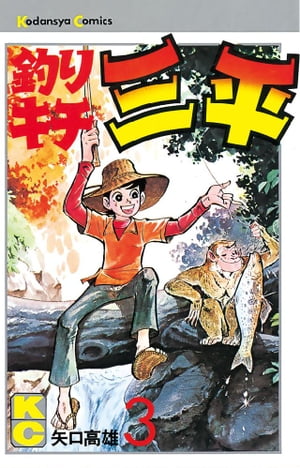
Tsuri Kichi Sanpei
Tsuri Kichi Sanpei follows Sanpei Mihara, a fishing-obsessed boy from rural Japan whose passion for the sport takes him to rivers and lakes across the country — a long-running celebration of fishing, rural life, and the particular kind of patience that comes from watching water.
Sports
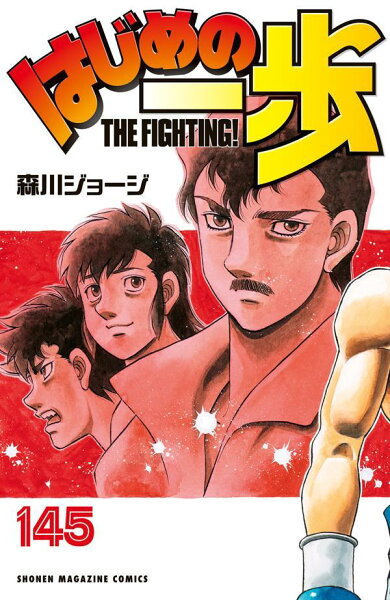
Hajime no Ippo
Yu's review of Hajime no Ippo — a bullied high school boy is saved by a professional boxer, discovers he has a natural gift for the sport, and begins the long road to becoming a champion.
Sports / Drama
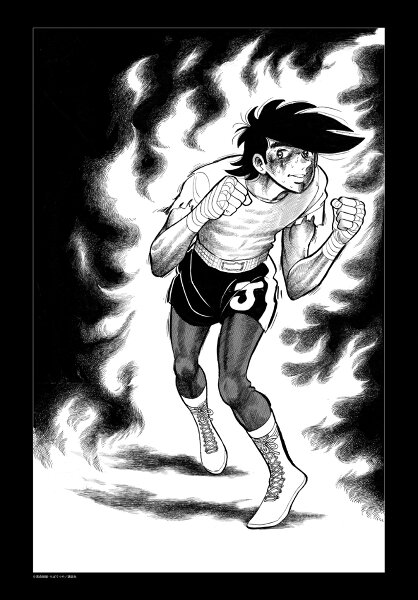
Ashita no Joe
Yu's review of Ashita no Joe — Joe Yabuki claws out of the postwar Tokyo slums, is found by a broken-down trainer, and turns boxing into a way to burn himself completely. From Rikiishi's fatal weight cut to the white-ash final scene, this is the manga that taught the whole genre what cost means.

Sports / Drama
Monkey Turn
Monkey Turn follows Hasegawa Kouji, a young man who enters the world of competitive motorboat racing (kyotei) — Japan's unique professional boat racing sport — and fights to master the dangerous, technical, and thrilling 'monkey turn' technique.
Sports / Drama
Shoot!
Shoot! follows Toshihiko Tanaka, who joins a high school soccer team to fulfill the dying wish of his childhood friend — and finds himself in a sport he barely knows, at a club that was legendary before it collapsed, trying to rebuild something worth the promise he made.
Sports / Drama
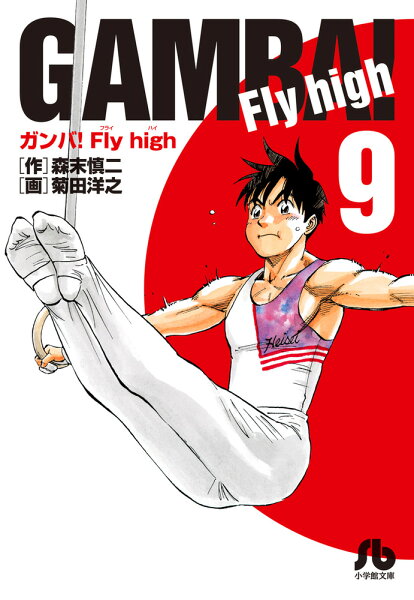
Gamba! Fly High
Gamba! Fly High follows Takeru Fujimaki, a boy with extraordinary natural talent who joins a gymnastics club and discovers that natural ability, without discipline and the right people around you, is not enough to reach the Olympics.
Written by
Yu
Manga Enthusiast from Japan
I grew up in Japan and manga literally saved me during a tough time in elementary school. My English isn't perfect, but my love for manga is real — and I want to share it with you.