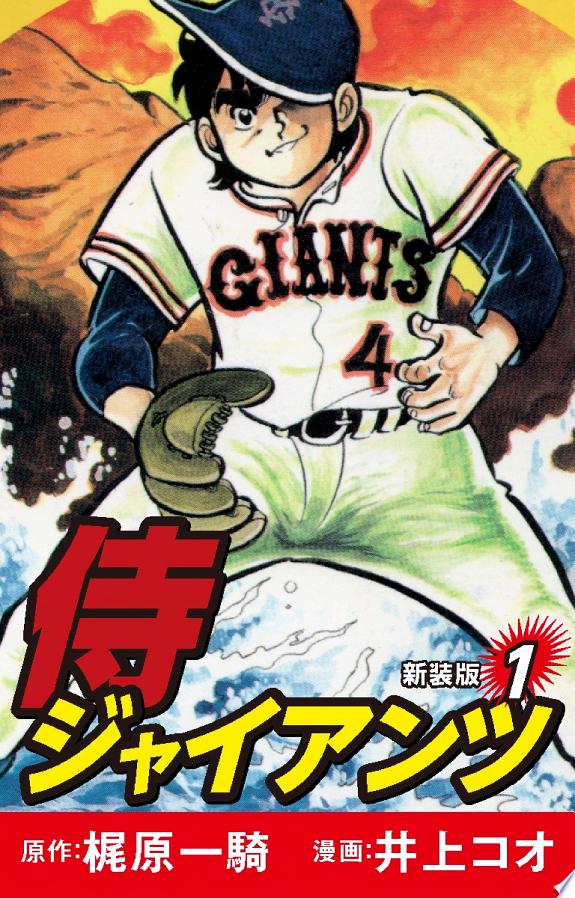
Samurai Giants Review: The Pitcher Whose Fire Came From Everything He Had Left to Lose
by Ikki Kajiwara / Ko Inoue
Read the first volume. If it doesn't hook you, put it down. It'll hook you.
Buy Samurai Giants on Amazon →*Affiliate link — I earn a small commission at no extra cost to you.
What if your greatest technique was also slowly destroying you — and you kept throwing it anyway?
Quick Take
- Ikki Kajiwara and Ko Inoue's baseball drama about a pitcher whose signature throw breaks records and breaks his arm
- The manga doesn't resolve this contradiction — it lives inside it for 20 volumes
- Classic Kajiwara territory: sacrifice as the price of greatness, and the question of whether the price is worth it
Who Is This Manga For?
- Readers of Kyojin no Hoshi who want the same Kajiwara emotional intensity in a different structure
- Baseball drama fans who want physical stakes alongside competitive stakes
- Anyone interested in how sports manga treated the cost of excellence in the early 1970s
- Readers who find the "great technique that destroys" premise compelling
Content Warnings & Age Rating
Age Rating: T (Teen) Content Warnings: Intense sports drama. Depictions of physical injury and ongoing arm damage. Themes of sacrifice in pursuit of excellence. Appropriate for the rating.
Suitable for teen readers and above.
Yu's Rating
| Category | Score |
|---|---|
| Story Depth | ★★★★☆ |
| Art Style | ★★★★☆ |
| Character Development | ★★★★☆ |
| Accessibility for Non-Japanese Readers | ★★★★☆ |
| Reread Value | ★★★★☆ |
Story Overview
Bangai Ban comes from rural Japan with raw physical talent and no formal training. His natural throwing ability, honed by mountain labor, produces pitches with unusual characteristics — and when he joins the Giants, that natural ability is developed into the "Daidyuji" — a legendary pitch that requires a throwing motion so extreme that it places unsustainable stress on his arm.
The series is built around this fact. Ban can throw the Daidyuji. The pitch is effective beyond anything conventional training produces. Every time he throws it, his arm sustains damage that accumulates. The manga follows him throwing it anyway — because the team needs him, because the opponents require it, because he cannot be who he is without throwing what he can throw.
Kajiwara's genius here is that Ban never becomes a martyr figure. He is not tragic in a passive sense — he is active, alive, committed to baseball in a way that makes the cost seem like the right price. The manga asks the reader to sit with the discomfort of admiring someone making a choice that hurts him.
Characters
Bangai Ban: A protagonist whose wildness is not ignorance but intensity — he is not unaware of the damage, he is unwilling to stop. This distinction matters enormously.
The Giants teammates: Established professional players who initially dismiss Ban and come to understand what he is actually doing.
The opponents: Each major batter Ban faces represents a specific challenge that the Daidyuji was or wasn't built to handle.
Art Style
Ko Inoue's art has the energy of 1970s Jump action — dynamic, expressive, and well-suited to depicting baseball's physical drama. The pitching sequences capture both the technique's visual impressiveness and the physical cost it extracts.
Cultural Context
Samurai Giants ran in Weekly Shonen Jump from 1971 to 1974. It appeared during Jump's early development of its sports manga identity, alongside Kajiwara's other work and in the context of the Yomiuri Giants' real-world dominance of Japanese professional baseball. The Giants' actual star players appear as characters, giving the manga a semi-fictional quality.
What I Love About It
I love that Ban knows.
He knows what the pitch costs. He knows the arm damage is cumulative and will eventually be permanent. He throws it anyway — not from ignorance, not from bravado, but from a settled assessment that this is what baseball means for him, and that baseball meaning this much is worth what it takes.
This is not the same as Hyuma Hoshi's acceptance in Kyojin no Hoshi. Hyuma's sacrifice is imposed from outside. Ban's sacrifice is chosen. The distinction makes him a different kind of protagonist — one whose tragedy, if it is tragedy, is self-authored.
What English-Speaking Fans Say
Not known in English-speaking markets. Among Kajiwara readers and baseball manga historians, Samurai Giants is recognized as the companion piece to Kyojin no Hoshi — covering complementary territory about the cost of athletic excellence from a different angle.
Memorable Scene ⚠️ Spoiler Warning
After a pivotal game where Ban throws the Daidyuji repeatedly against an opponent who requires it, a teammate who has been silently watching the arm damage finally speaks — and Ban's response makes clear that he has already made his accounting, and the teammate's concern, while appreciated, doesn't change it. The scene defines the protagonist.
Similar Manga
| Title | Its Approach | How Samurai Giants Differs |
|---|---|---|
| Kyojin no Hoshi | Imposed sacrifice through extreme training | Chosen sacrifice through deliberate technique |
| Ashita no Joe | Boxing ending in physical ruin | Baseball destruction that is consciously accepted |
| Rookies | Team rebuilding through belief | Individual destruction through self-belief |
Reading Order / Where to Start
Volume 1. The arm damage plot begins early and develops throughout.
Official English Translation Status
Samurai Giants has no official English translation.
Pros & Cons
Pros
- The chosen-sacrifice premise distinguishes it within Kajiwara's catalog
- Ban is one of his most active, self-determining protagonists
- Complete at 20 volumes
- The Giants real-player cameos add an interesting texture
Cons
- No English translation
- The physical damage plot requires tolerance for unresolved discomfort
- Less emotionally complex than Kyojin no Hoshi — stronger as action than as character study
- Baseball knowledge helps with the technical elements
Is Samurai Giants Worth Reading?
For Kajiwara fans, yes — this is a different view of the excellence-and-cost theme that he explored throughout his career. For readers new to Kajiwara, Kyojin no Hoshi is the better entry point. But as a companion piece to that work, Samurai Giants completes a picture.
Format Comparison
| Format | Notes |
|---|---|
| Physical | Japanese editions available |
| Digital | Available in Japanese |
| Omnibus | Collected editions available |
Where to Buy
No English release yet. That just means you find it before everyone else does.
*Affiliate link — I earn a small commission at no extra cost to you.
More Manga You Might Like
Sports / Drama
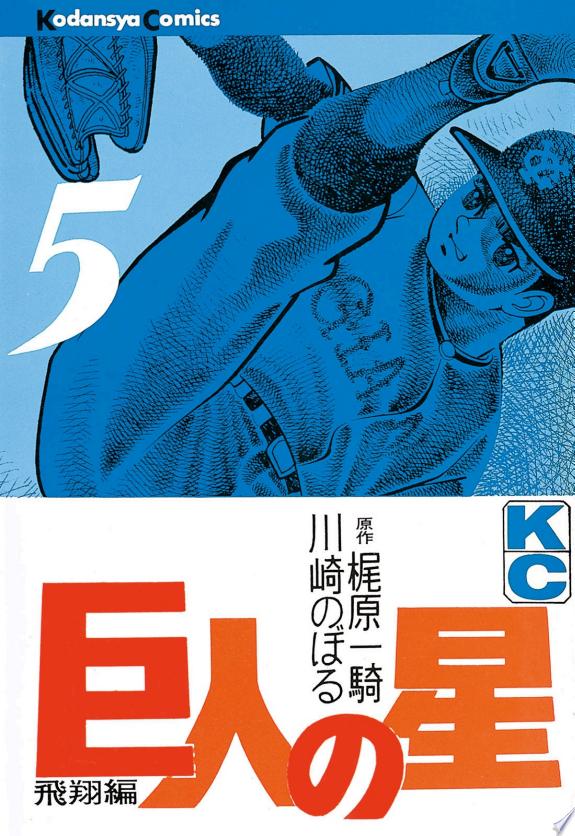
Kyojin no Hoshi
Kyojin no Hoshi follows Hyuma Hoshi, whose father — a former baseball player who never achieved his dream — has raised him from childhood to be a star pitcher for the Yomiuri Giants, through training that borders on abuse and produces a player who may be the greatest — at tremendous personal cost.
Sports / Drama
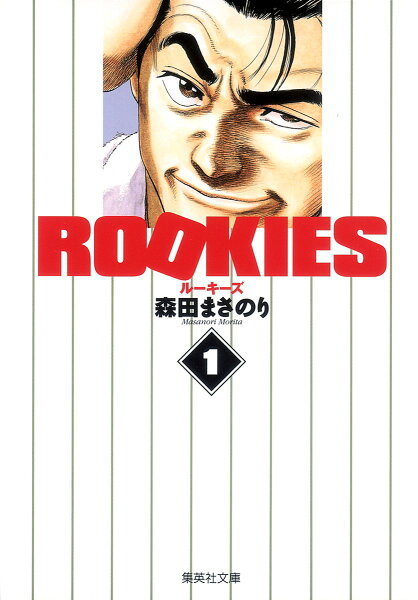
Rookies
Rookies follows Koichi Kawato, a young teacher transferred to Futakotamagawa High School who discovers a baseball club suspended after a violent incident — and decides, against all institutional advice, to coach them back to the Koshien.
Sports / Drama
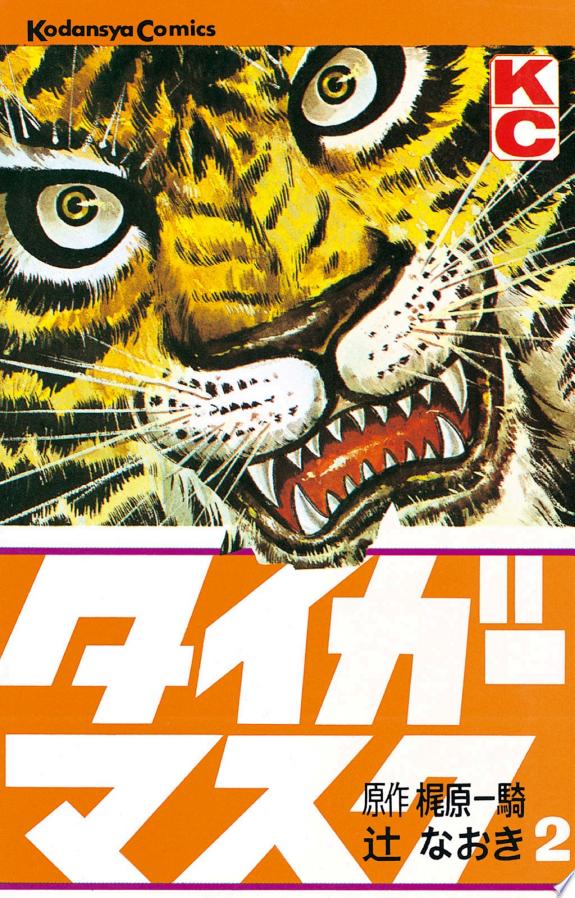
Tiger Mask
Tiger Mask follows Naoto Date, a professional wrestler trained by a criminal organization to be a heel — the villain of the ring — who defects from the organization and becomes a hero, knowing that the organization will send increasingly dangerous opponents to punish his betrayal.
Sports / Drama
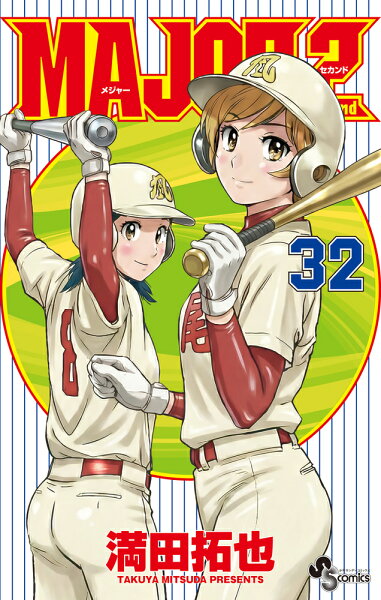
Major
Yu's review of Major — Goro Honda is the son of a professional baseball player; when loss defines his childhood, baseball becomes how he carries his father forward; the series follows Goro from little league through professional baseball across 78 volumes, one of the longest complete sports manga stories ever told.
Sports / Romance
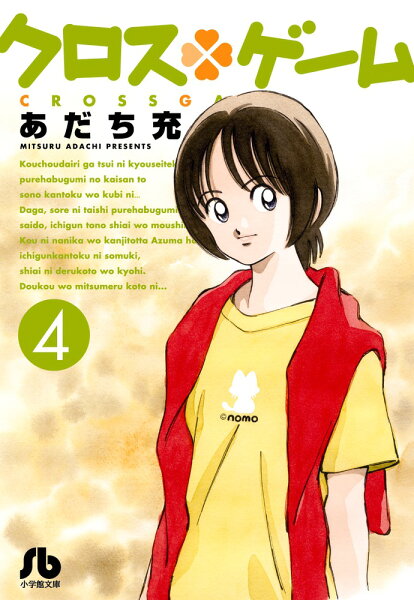
Cross Game
Yu's review of Cross Game — Ko grows up next to the four Tsukishima sisters, loses Wakaba in fifth grade, and spends seventeen volumes chasing the dream she left behind at Koshien.
Sports / Drama
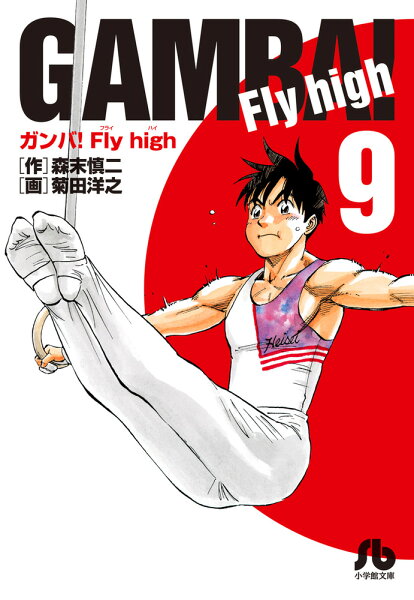
Gamba! Fly High
Gamba! Fly High follows Takeru Fujimaki, a boy with extraordinary natural talent who joins a gymnastics club and discovers that natural ability, without discipline and the right people around you, is not enough to reach the Olympics.
Written by
Yu
Manga Enthusiast from Japan
I grew up in Japan and manga literally saved me during a tough time in elementary school. My English isn't perfect, but my love for manga is real — and I want to share it with you.