
Ring ni Kakero Review: The Boxing Manga That Forgot Physics and Found Something Better
by Masami Kurumada
Read the first volume. If it doesn't hook you, put it down. It'll hook you.
Buy Ring ni Kakero on Amazon →*Affiliate link — I earn a small commission at no extra cost to you.
What happens when a sports manga realizes it wants to be a superhero story — and commits completely?
Quick Take
- The series that bridged classic boxing manga and the supernatural battle shonen genre
- Kurumada's signature style — pure escalating spectacle — is already fully present here
- The shift from realistic boxing to planet-shattering super moves is so gradual you don't notice until it's already happened
Who Is This Manga For?
- Fans of Masami Kurumada (Saint Seiya, B't X) who want to understand where his style came from
- Battle shonen fans interested in tracing the genre's genealogy — Ring ni Kakero is a foundational link
- Boxing manga readers who want the full spectrum from realism to spectacle
- Classic Shonen Jump fans — this was a defining series of the late 1970s magazine
Content Warnings & Age Rating
Age Rating: T (Teen) Content Warnings: Stylized boxing violence that becomes increasingly supernatural. Tournament competition with escalating stakes.
Appropriate for its rating.
Yu's Rating
| Category | Score |
|---|---|
| Story Depth | ★★★☆☆ |
| Art Style | ★★★★☆ |
| Character Development | ★★★★☆ |
| Accessibility for Non-Japanese Readers | ★★★★☆ |
| Reread Value | ★★★★☆ |
Story Overview
Ryuji Takane and his sister Kiku begin the series with a simple premise: Ryuji will become a boxer, Kiku will train him, and together they will reach the world championship that their father never achieved.
The early volumes are reasonably realistic boxing. The middle volumes introduce special techniques — moves with names, moves that no real boxer could throw, moves that require specific counter-moves to beat. By the later volumes, Ryuji and his opponents are generating visible energy from their punches and the bouts have left the realm of any recognizable sport.
Kurumada understood that the tournament format works for any kind of escalating conflict — not just boxing. Ring ni Kakero is the series where he discovered this, and everything he did afterward follows from it.
Characters
Ryuji Takane: The pure protagonist in the Kurumada mode — determined, loyal, and fundamentally outclassed until the moment he isn't. His development tracks the series' tonal shift from sports drama to action spectacle.
Kiku Takane: One of the series' most interesting figures — a female character who functions as trainer, strategist, and emotional core in a boxing manga, which was unusual for the era.
The world opponents: Each international rival represents a different fighting culture and a different set of named techniques. The gallery of opponents is one of the series' signature pleasures.
Art Style
Kurumada's art in Ring ni Kakero establishes the visual vocabulary he would use across his career — thick lines, dramatic shading, expressions of effort and determination rendered with maximum energy. The boxing sequences escalate in visual ambition alongside the narrative escalation in technique.
Cultural Context
Ring ni Kakero appeared during the period when Shonen Jump was becoming the dominant manga magazine in Japan. Its approach — starting in a realistic genre and escalating toward pure spectacle — influenced the editorial philosophy that would produce Dragon Ball, Saint Seiya, and the entire battle shonen genre.
Kurumada followed Ring ni Kakero with Saint Seiya, which applies the same escalating spectacle to a mythological setting. Understanding Ring ni Kakero makes Saint Seiya much clearer.
What I Love About It
I love the series' honesty about what it's doing.
Ring ni Kakero doesn't pretend to be a boxing manga once it stops being one. It commits to the spectacle without apologizing for abandoning realism. The techniques get more impossible, the opponents get more exotic, the fights get more visually extravagant — and the series leans into all of this with complete conviction.
This kind of tonal commitment is rare. Most series that make this shift hedge. Kurumada doesn't hedge.
What English-Speaking Fans Say
Not widely known in English-speaking markets. Among Kurumada fans and battle shonen historians, Ring ni Kakero is recognized as the origin point of Kurumada's signature style and as a missing link in the genealogy of Japanese action manga. Readers who find it describe it as clarifying something they understood instinctively but couldn't articulate about how the genre developed.
Memorable Scene ⚠️ Spoiler Warning
The first appearance of a named special technique — the moment the series explicitly crosses the line from stylized boxing into something else entirely. The technique is impossible. The opponent's counter-technique is also impossible. The crowd's reaction is presented as completely reasonable. The series never looks back.
Similar Manga
- Saint Seiya: Kurumada's direct follow-up — same escalation, mythological setting
- Ashita no Joe: What realistic boxing manga looks like — the genre Ring ni Kakero started from
- Ganbare Genki: Contemporary boxing manga, chose realism over spectacle
Reading Order / Where to Start
Volume 1. The tonal shift is gradual enough that starting from the beginning is the right approach.
Official English Translation Status
Ring ni Kakero has no official English translation.
Pros & Cons
Pros
- Historically significant as the origin of battle shonen escalation
- Kurumada's style is fully formed and energetic
- The escalation is genuinely fun to watch happen
- Complete at 25 volumes
Cons
- No English translation
- The realistic boxing elements are abandoned fairly quickly
- The narrative logic becomes increasingly loose as the spectacle increases
Format Comparison
| Format | Notes |
|---|---|
| Physical | Japanese editions available |
| Digital | Available in Japanese |
| Omnibus | Jump compilation formats available |
Where to Buy
No English release yet. That just means you find it before everyone else does.
*Affiliate link — I earn a small commission at no extra cost to you.
More Manga You Might Like
Sports / Drama
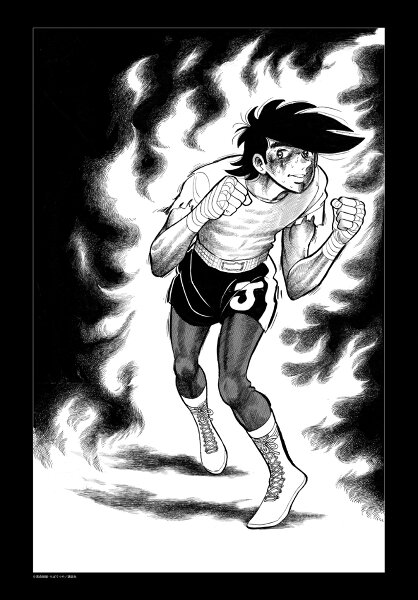
Ashita no Joe
Yu's review of Ashita no Joe — Joe Yabuki claws out of the postwar Tokyo slums, is found by a broken-down trainer, and turns boxing into a way to burn himself completely. From Rikiishi's fatal weight cut to the white-ash final scene, this is the manga that taught the whole genre what cost means.
Sports / Drama
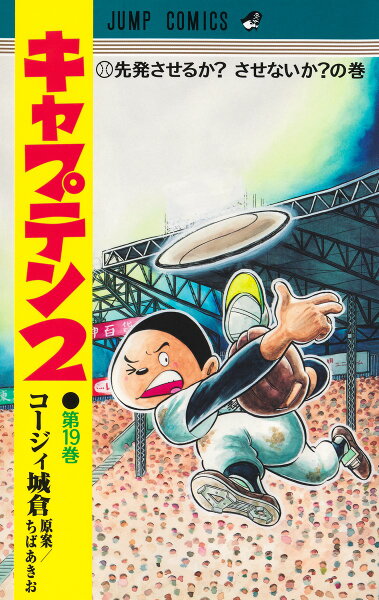
Captain
Captain follows four generations of captains at a weak downtown middle school baseball team — starting with Takao Taniguchi, a former bench player mistaken for a star, who trains himself half to death rather than admit the truth.
Sports / Drama
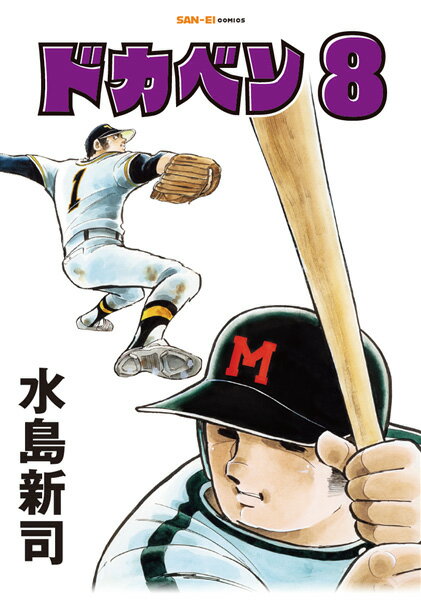
Dokaben
Dokaben follows Taro Yamada, a gentle giant who starts out in his middle school's judo club before becoming the catcher who carries Meikun High School to Koshien. Shinji Mizushima's classic ran in Weekly Shonen Champion from 1972 to 1981.
Sports / Drama
Play Ball
Play Ball follows Koichi Tani, a key player from Captain, into high school at Sumiya High — a sequel that shifts perspective and asks what happens to the supporting cast after the captain's era ends.
Sports
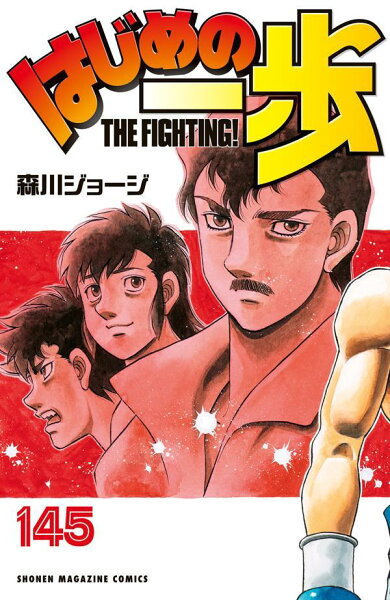
Hajime no Ippo
Yu's review of Hajime no Ippo — a bullied high school boy is saved by a professional boxer, discovers he has a natural gift for the sport, and begins the long road to becoming a champion.
Sports / Drama
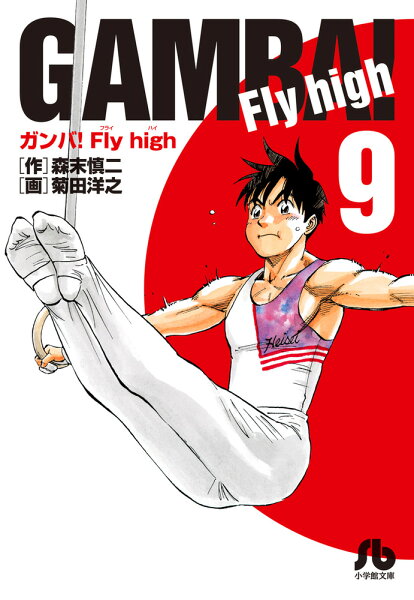
Gamba! Fly High
Gamba! Fly High follows Takeru Fujimaki, a boy with extraordinary natural talent who joins a gymnastics club and discovers that natural ability, without discipline and the right people around you, is not enough to reach the Olympics.
Written by
Yu
Manga Enthusiast from Japan
I grew up in Japan and manga literally saved me during a tough time in elementary school. My English isn't perfect, but my love for manga is real — and I want to share it with you.