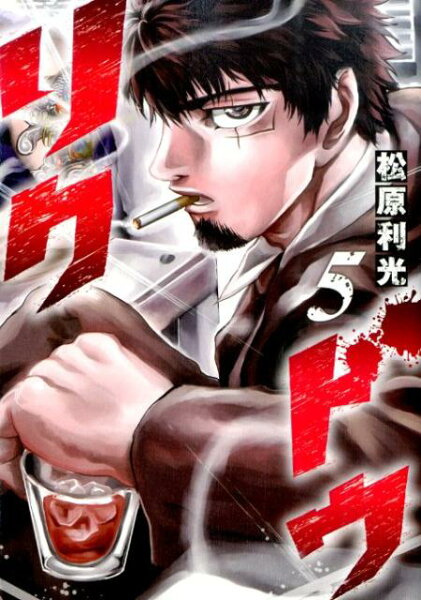
Rikudo Review: The Boxing Manga Where the Hero's Body Was Already Wrecked Before He Started
by Toshimitsu Matsubara
Read the first volume. If it doesn't hook you, put it down. It'll hook you.
Buy Rikudo on Amazon →*Affiliate link — I earn a small commission at no extra cost to you.
The boxing wasn't his way out. The boxing was his way through. The two are different, and the manga knew which one it was telling.
Quick Take
- Toshimitsu Matsubara's 22-volume Young Jump boxing manga — Riku Akama's path through trauma, addiction, and into the ring
- Among the darkest boxing manga ever published, with the seinen weight to match its content
- A serious work that uses boxing as the structure for examining recovery from severe damage
Who Is This Manga For?
- Serious boxing manga readers who want the genre at its darkest
- Seinen drama enthusiasts who appreciate trauma-recovery narratives done with weight
- Hajime no Ippo fans who want a darker counter-statement
- Anyone willing to engage with a series whose protagonist starts in genuine ruin
Content Warnings & Age Rating
Age Rating: M (Mature) Content Warnings: Significant child abuse depicted in flashback, drug addiction, severe psychological trauma, boxing violence. The early volumes are particularly heavy.
For mature readers prepared for serious darkness.
Yu's Rating
| Category | Score |
|---|---|
| Story Depth | ★★★★★ |
| Art Style | ★★★★★ |
| Character Development | ★★★★★ |
| Accessibility for Non-Japanese Readers | ★★★☆☆ |
| Reread Value | ★★★★☆ |
Story Overview
Riku Akama's childhood was destroyed by an abusive father who, among other things, fed him drugs that affected his physical development. By the time the series begins, Riku is a young man whose body has been permanently damaged and whose psychology has been wrecked. He encounters boxing through a chance meeting with a coach who recognizes that what Riku has — extreme reflexes, total absence of fear of pain — could function as boxing capability if cultivated.
The series tracks Riku's improbable rise through the boxing world while never letting the reader forget the cost. He doesn't recover from his trauma; he learns to function with it. The boxing isn't healing in any sentimental sense; it's a structure that gives him reasons to keep moving forward when other reasons have failed.
What makes Rikudo exceptional is its commitment to the seriousness of damage. Other boxing manga depict trauma as backstory that can be overcome through training and friendship. Rikudo refuses. The damage is permanent, the recovery is partial, the boxing is dignified work within constrained possibilities. The seriousness is the integrity.
Characters
Riku Akama: A protagonist whose damage is the series' subject — his arc is not from broken to whole but from passive to active within his constraints.
Coach Kazami: The trainer who recognizes Riku's potential and the ethical weight of cultivating it — his role is more parental than coaching.
The supporting cast: Each rendered with the specificity that serious drama requires.
Art Style
Matsubara's art has the visual weight that the subject demands — boxing matches drawn with technical accuracy and emotional precision, character expressions communicating internal states with restraint, the visual register matching seinen drama's expectations.
Cultural Context
Rikudo ran from 2014 to 2019 in Weekly Young Jump. The series belongs to seinen manga's tradition of treating serious subjects with serious weight — a tradition that includes Real, Vagabond, and others. Within boxing manga, it sits at the dark end of a spectrum that includes Hajime no Ippo's earnest training optimism and Ashita no Joe's tragic classicism.
The series' willingness to depict child abuse and addiction directly distinguishes it within sports manga, where such themes are more often gestured at than rendered.
What I Love About It
I love that recovery is partial.
The standard sports-manga arc is from damaged to whole through dedication. Rikudo refuses. Riku doesn't become normal through boxing. He becomes a damaged person who can box, and the boxing is meaningful precisely because his damage is permanent. The honesty about what trauma actually does — and doesn't — is what gives the series its weight.
What English-Speaking Fans Say
Among readers familiar with it through fan translation, regarded as one of the most psychologically serious boxing manga ever made. Limited general awareness due to absence of official translation but high regard among engaged readers.
Memorable Scene ⚠️ Spoiler Warning
A late-series moment where Riku, in the ring, recognizes something about himself that the boxing has clarified — and the recognition is neither triumphant nor tragic but simply true. The scene captures the series' refusal of the standard sports-drama beats.
Similar Manga
| Title | Its Approach | How Rikudo Differs |
|---|---|---|
| Hajime no Ippo | Earnest boxing training across many opponents | Rikudo is darker and more psychologically serious |
| Ashita no Joe | Tragic classical boxing | Rikudo is contemporary and more grounded in modern trauma vocabulary |
| Real | Inoue's wheelchair-basketball drama with disability focus | Same seinen seriousness applied to boxing rather than basketball |
Reading Order / Where to Start
Volume 1. The trauma backstory is essential context for everything that follows.
Official English Translation Status
Rikudo has no official English translation.
Pros & Cons
Pros
- Among the most serious boxing manga ever made
- Honest treatment of trauma's permanent effects
- Matsubara's art is exceptional throughout
- Complete with a satisfying conclusion
Cons
- No English translation
- The early volumes are genuinely difficult content
- The dark tone won't satisfy readers wanting traditional sports-manga uplift
- Demands serious engagement that not all readers have time for
Is Rikudo Worth Reading?
For serious boxing manga readers who want the genre at its most psychologically committed, yes — this is among the most essential works in the medium. For readers wanting traditional sports uplift or unable to engage with the trauma content, this isn't the right entry. As serious adult drama with boxing structure, it's exceptional.
Format Comparison
| Format | Notes |
|---|---|
| Physical | Japanese editions available |
| Digital | Available in Japanese |
| Omnibus | Collected editions available |
Where to Buy
No English release yet. That just means you find it before everyone else does.
*Affiliate link — I earn a small commission at no extra cost to you.
More Manga You Might Like
Sports / Drama
B・B
B・B (Burning Blood) is Osamu Ishiwata's 31-volume Weekly Shonen Sunday classic — a boxing manga that starts with a trumpet, detours through a killing, and ends with the hero as a bare-fisted mercenary on a battlefield. Winner of the 34th Shogakukan Manga Award.
Sports / Drama
Kyojin no Hoshi
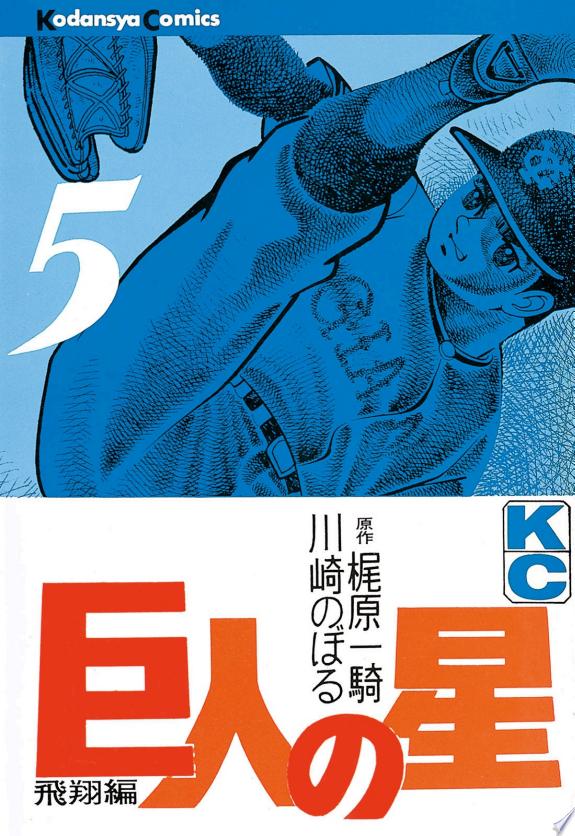
Kyojin no Hoshi follows Hyuma Hoshi, whose father — a former baseball player who never achieved his dream — has raised him from childhood to be a star pitcher for the Yomiuri Giants, through training that borders on abuse and produces a player who may be the greatest — at tremendous personal cost.
Sports / Drama
Rookies
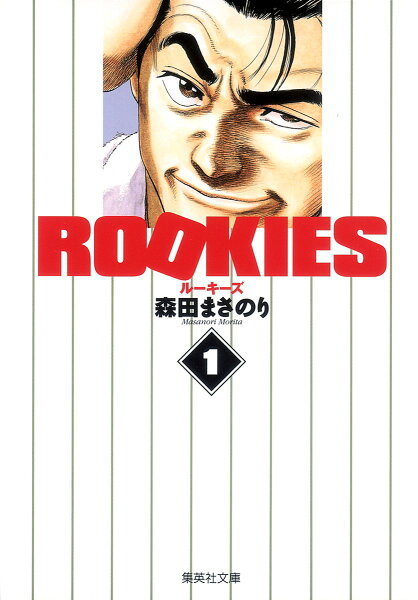
Rookies follows Koichi Kawato, a young teacher transferred to Futakotamagawa High School who discovers a baseball club suspended after a violent incident — and decides, against all institutional advice, to coach them back to the Koshien.
Sports / Drama
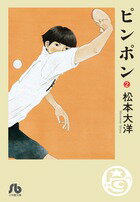
Ping Pong
Yu's review of Ping Pong — two high school table tennis players, one a prodigy who loves the game and one who hates to lose, move toward a tournament while the manga asks what it means to devote yourself to something.
Sports / Drama
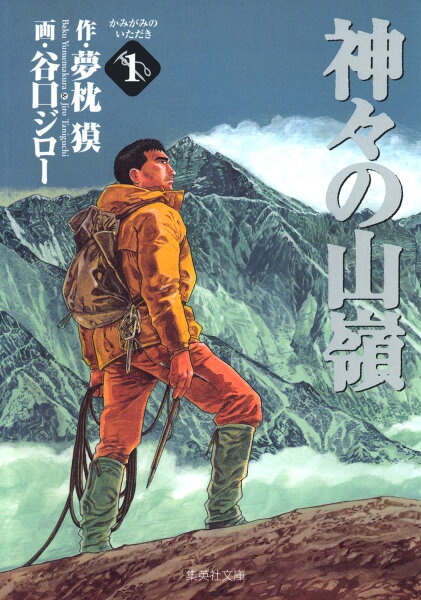
Kamigami no Itadaki
Kamigami no Itadaki is Jiro Taniguchi's 5-volume adaptation of Baku Yumemakura's mountaineering novel — Fukamachi, a journalist following the trail of a possibly-found camera that may prove George Mallory reached Everest's summit in 1924, with a Japanese alpinist's parallel obsession driving the story.
Sports / Drama
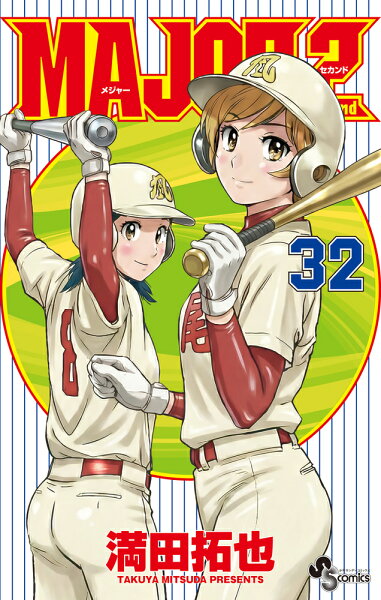
Major
Yu's review of Major — Goro Honda is the son of a professional baseball player; when loss defines his childhood, baseball becomes how he carries his father forward; the series follows Goro from little league through professional baseball across 78 volumes, one of the longest complete sports manga stories ever told.
Written by
Yu
Manga Enthusiast from Japan
I grew up in Japan and manga literally saved me during a tough time in elementary school. My English isn't perfect, but my love for manga is real — and I want to share it with you.