Real Review: The Basketball Manga That Shows You What Sports Actually Cost
by Takehiko Inoue
Read the first volume. If it doesn't hook you, put it down. It'll hook you.
Buy Real on Amazon →*Affiliate link — I earn a small commission at no extra cost to you.
Quick Take
- The most important sports manga Inoue ever made — more important than Slam Dunk, which is saying everything.
- Wheelchair basketball drawn with the same kinetic brilliance as Slam Dunk but with 30 more years of artistic maturity.
- Updates slowly (Inoue's hiatus patterns are well-known) but every new chapter is an event.
Who Is This Manga For?
- Fans of sports manga readers ready for something that takes disability and grief as seriously as athletic achievement
- Readers who enjoy fans of Takehiko Inoue's work in Slam Dunk and Vagabond who want his most humanist project
- Anyone interested in mature sports manga that refuses to soften the physical and emotional reality of injury and recovery
- People who like anyone who has experienced the loss of a physical capacity and needed to see that reflected in fiction
Content Warnings & Age Rating
Age Rating: M (Mature) Content Warnings: disability themes, depression, mature themes
Recommended for mature readers.
Yu's Rating
| Category | Score |
|---|---|
| Story Depth | ★★★★★ |
| Art Style | ★★★★★ |
| Character Development | ★★★★★ |
| Accessibility for Non-Japanese Readers | ★★★★☆ |
| Reread Value | ★★★★☆ |
Overall: 5/5 — Inoue's most important work — essential sports manga for adult readers.
Story Overview
Three young men navigate life around wheelchair basketball. Nomiya Tomomi was a sprinter until an injury took everything. Togawa Kiyoharu has been in a wheelchair since childhood and burns with competitive fire. Hisanobu Takahashi plays standing basketball before a catastrophic accident changes his world permanently. Real traces their lives, ambitions, and recoveries with an honesty about disability and loss that no other sports manga has attempted.
Characters
The cast of Real is built around contrasting personalities that force each other to grow. The main character carries a mix of strength and vulnerability — enough to earn sympathy without feeling passive. Supporting characters each serve a distinct emotional function: some mirror the protagonist's flaws, others challenge their assumptions, and a few provide the warmth that makes the harder moments bearable.
Art Style
Takehiko Inoue's visual style suits the story it tells. Emotional moments land because facial expressions are drawn with real attention to subtlety — you rarely need dialogue to understand what a character is feeling. Background detail varies by scene, pulling back in quiet moments and getting tight and detailed when the stakes rise.
Cultural Context
Real comes from disability in Japanese society and the specific experience of wheelchair users navigating a culture with complex attitudes toward physical difference and competitive achievement. English readers will find most of this translates naturally; a few cultural notes in good translations help bridge any remaining gaps.
What I Love About It
There's a sequence where a character is in a hospital, facing the reality of what he's lost, and the panel is almost empty — just the character and silence. No motivational speech. No training montage on the horizon. Just the truth of that moment. Inoue trusts his readers to sit with that truth without rescue, and it's the most respectful thing a sports manga has ever done for its audience.
What English-Speaking Fans Say
Western readers who find this series often describe it as something they wish they'd found sooner. The emotional beats translate well; the universal themes of connection, loss, and growth resonate regardless of cultural background. Fans of similar series consistently recommend it as a must-read for genre newcomers and veterans alike.
Memorable Scene ⚠️ Spoiler Warning
There is a moment — usually in the middle or final act — where the story does something unexpected with a character you thought you understood. The setup is careful and patient. The payoff is sudden and complete. Readers report rereading earlier chapters afterward, finding all the foreshadowing they missed the first time.
Similar Manga
If you enjoyed Real, try:
- Vagabond by Takehiko Inoue — the same maturity and beauty in a different sport/era
- Slam Dunk by Takehiko Inoue — the prerequisite; see where Inoue's basketball love began
- A Silent Voice — similar handling of disability and empathy
Reading Order / Where to Start
Start from volume 1. This series builds its world and characters carefully from the first chapter — jumping in anywhere else means losing the context that makes later moments land. Volume 1 is a very strong opening; if you're not hooked by the end of it, this series may not be for you.
Official English Translation Status
Real is ongoing in English translation. New volumes are releasing regularly.
Pros & Cons
Pros:
- Ongoing with regular releases
- Strong character work and genuine emotional investment
- Inoue's draftsmanship at 15+ volumes is some of the greatest sports art ever committed to paper
Cons:
- Updates extremely slowly — years between chapters at times
- The heavy subject matter is not for readers seeking sports entertainment
Format Comparison
| Format | Pros | Cons |
|---|---|---|
| Physical | Best art reproduction | May require ordering online |
| Digital | Instant access, cheaper | Less collector value |
| Used | Very affordable | Condition and availability vary |
Where to Buy
Read the first volume. If it doesn't hook you, put it down. It'll hook you.
This post contains affiliate links. If you purchase through these links, I may earn a small commission at no extra cost to you. As an Amazon Associate, I earn from qualifying purchases.
*Affiliate link — I earn a small commission at no extra cost to you.
More Manga You Might Like
Sports / Drama
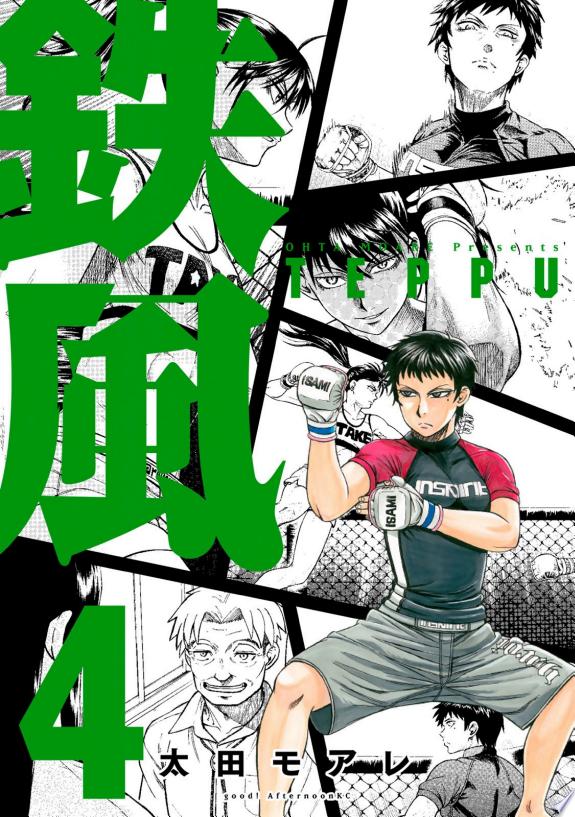
Teppu
Yu's review of Teppu — Natsuo Ishido is a natural athlete who has won everything she has tried without effort and resents every second of it; when she meets a girl who fights MMA with genuine passion despite not being naturally gifted, Natsuo joins an MMA gym to find out what it means to want something.
Sports / Comedy
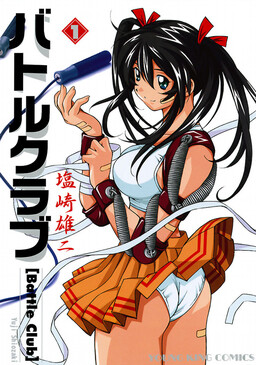
Battle Club
Yu's review of Battle Club — Mokichi joins Swan Academy's wrestling club to get close to Tamako and ends up dragged into a world of real grappling technique, rival schools, and the underground NOB tournament. A 6-volume seinen wrestling comedy from Yuji Shiozaki, creator of Battle Vixens, loaded with both genuine sport and relentless fanservice.

Sports / Drama
Gaku: Minna no Yama
Gaku: Minna no Yama follows Habu Gaku, a volunteer mountain rescue worker in the Japanese Alps, and the climbers he saves — or tries to save — as he demonstrates the specific combination of skill, knowledge, and relentless positivity that his work requires.
Sports
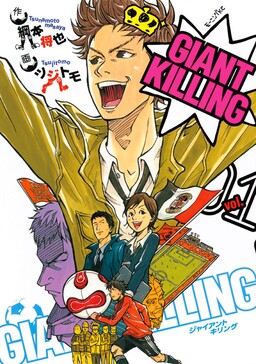
Giant Killing
Yu's review of Giant Killing — Takeshi Tatsumi, a player who disappeared from Japanese professional soccer and became a legend coaching a small English team, is hired to rescue East Tokyo United from the bottom of the J-League; a soccer management drama that treats the tactical and human sides of sports organization with equal seriousness.
Sports
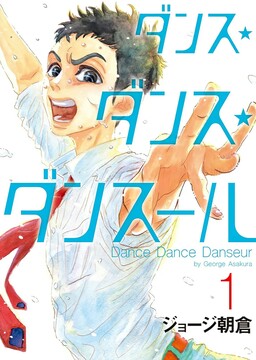
Dance Dance Danseur
Yu's review of Dance Dance Danseur — Junpei Murao buried his love of ballet after his father died because boys are supposed to be tough. Then a girl named Miyako and a strange, brilliant dancer named Luou pull it back out of him. George Asakura's seinen about what it costs a teenage boy to dance.
Sports
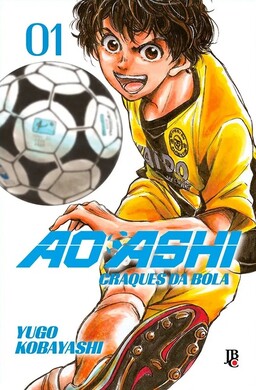
Ao Ashi
Yu's review of Ao Ashi — Ashito Aoi is recruited to the Tokyo City Esperion youth academy with a rare gift: he can see every player on the field simultaneously. But his coach already knows he is not a striker. The best soccer manga in English.
Written by
Yu
Manga Enthusiast from Japan
I grew up in Japan and manga literally saved me during a tough time in elementary school. My English isn't perfect, but my love for manga is real — and I want to share it with you.
Disclosure: This post contains affiliate links. As an Amazon Associate, I earn from qualifying purchases at no extra cost to you.