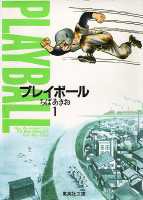
Play Ball Review: The Sequel That Followed a New Captain Into His Own Story
by Akio Chiba
Read the first volume. If it doesn't hook you, put it down. It'll hook you.
Buy Play Ball on Amazon →*Affiliate link — I earn a small commission at no extra cost to you.
What happens to the team after the captain graduates?
Quick Take
- The worthy follow-up to Captain, shifting focus to Koichi Tani at a new school with a new challenge
- Stands independently as a complete baseball story, though it resonates much more after reading Captain
- Chiba's most technically developed baseball storytelling — the sequel to which he brought everything he learned
Who Is This Manga For?
- Readers of Captain who want to see what happens next — essential for them
- Baseball manga fans interested in the classic Shonen Jump approach to the sport
- Anyone who enjoys ensemble sports stories where the team matters as much as the protagonist
- Readers of Dokaben or Touch exploring the breadth of 1970s baseball manga
Content Warnings & Age Rating
Age Rating: T (Teen) Content Warnings: High school baseball competition. Nothing graphic.
Appropriate for all ages.
Yu's Rating
| Category | Score |
|---|---|
| Story Depth | ★★★★☆ |
| Art Style | ★★★★☆ |
| Character Development | ★★★★★ |
| Accessibility for Non-Japanese Readers | ★★★★☆ |
| Reread Value | ★★★★☆ |
Story Overview
Koichi Tani was not the protagonist of Captain — he was a teammate, one of the players under Taniguchi's captaincy. Now in high school at Sumiya, he starts over as a new player at a new program, with no inherited status and everything to prove.
The series follows Tani through Sumiya's baseball program — building the team, learning the culture of a high school program, and working toward the national tournament that defines high school baseball in Japan. The challenge is both athletic and institutional: Sumiya has history, and Tani has to figure out where he fits in it.
Chiba uses the sequel's fresh start to explore different baseball dynamics than Captain — the high school game is faster, the stakes feel higher, and Tani's position as a known quantity from a famous middle school program creates specific expectations he has to navigate.
Characters
Koichi Tani: The transition from supporting character to protagonist is handled with care — Tani was fully characterized in Captain, and Play Ball gives him his own story rather than simply continuing the previous one. His strengths and limitations are different from Taniguchi's, which makes the series feel distinct rather than derivative.
The Sumiya team: Built from scratch as an ensemble, giving the high school program its own identity separate from the middle school world of Captain.
Art Style
Chiba's art in Play Ball shows development from Captain — the baseball sequences are more technically precise, the panel composition is more confident, and the emotional moments are given more room. The series benefits visually from being drawn later in Chiba's career.
Cultural Context
The transition from middle school baseball (as depicted in Captain) to high school baseball (in Play Ball) represents a real escalation in Japanese sports culture. The high school tournament — the road to Koshien — is a different order of competition with different cultural weight.
What I Love About It
I love the series' honesty about what transfers and what doesn't.
Tani arrives at Sumiya as someone who was part of a successful program. That counts for something. But the skills, the relationships, the specific dynamics that made Hoshi's team work — none of that transfers. He's starting over, and the series doesn't give him a shortcut through the starting-over part.
This is a more realistic portrayal of athletic development than most sports manga attempt.
What English-Speaking Fans Say
Not known in English-speaking markets. Among readers who have followed the Captain/Play Ball sequence in Japanese, Play Ball is considered the more technically accomplished work — the series where Chiba fully realized what he was capable of as a baseball storyteller.
Memorable Scene ⚠️ Spoiler Warning
An early scene where Tani's reputation from Captain precedes him to Sumiya — and he realizes that being known for something someone else achieved is not the same as having achieved it yourself. The scene resets the series' emotional stakes with precision.
Similar Manga
- Captain: The essential predecessor — read it first
- Dokaben: Contemporary, similar tournament structure
- Touch: Adachi's more romantic take on the high school baseball world
Reading Order / Where to Start
Read Captain first, then Play Ball Volume 1. The sequel is comprehensible independently but resonates much more with Captain's context.
Official English Translation Status
Play Ball has no official English translation.
Pros & Cons
Pros
- Chiba's most accomplished baseball storytelling
- Complete at 22 volumes
- Works as both sequel and standalone
- The protagonist transition is handled with genuine craft
Cons
- No English translation
- Best experienced after reading Captain (additional 26 volumes)
- 1970s pacing
Format Comparison
| Format | Notes |
|---|---|
| Physical | Japanese editions available |
| Digital | Available in Japanese |
| Omnibus | Jump compilation editions available |
Where to Buy
No English release yet. That just means you find it before everyone else does.
*Affiliate link — I earn a small commission at no extra cost to you.
More Manga You Might Like
Sports / Drama
Captain
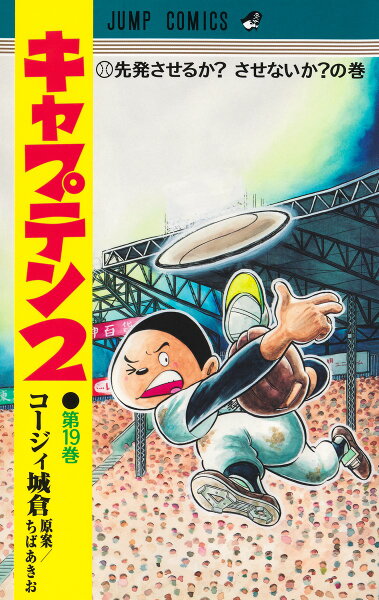
Captain follows four generations of captains at a weak downtown middle school baseball team — starting with Takao Taniguchi, a former bench player mistaken for a star, who trains himself half to death rather than admit the truth.
Sports / Drama
Dokaben
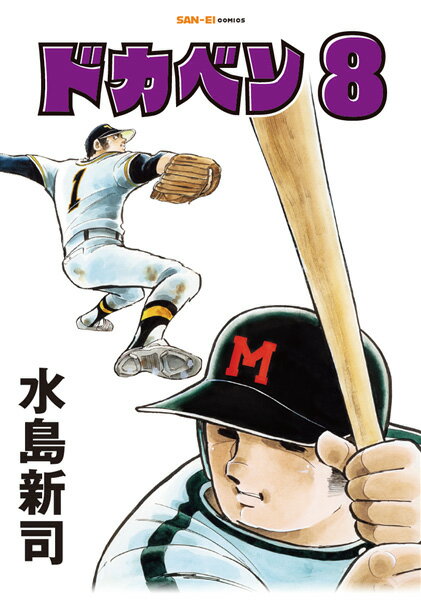
Dokaben follows Taro Yamada, a gentle giant who starts out in his middle school's judo club before becoming the catcher who carries Meikun High School to Koshien. Shinji Mizushima's classic ran in Weekly Shonen Champion from 1972 to 1981.

Sports / Action
Ring ni Kakero
Ring ni Kakero follows Ryuji Takane and his sister Kiku through a boxing journey that begins in realism and evolves into one of manga's most spectacular supernatural combat series — the bridge between sports manga and the battle shonen that followed.
Sports / Drama
Kyojin no Hoshi
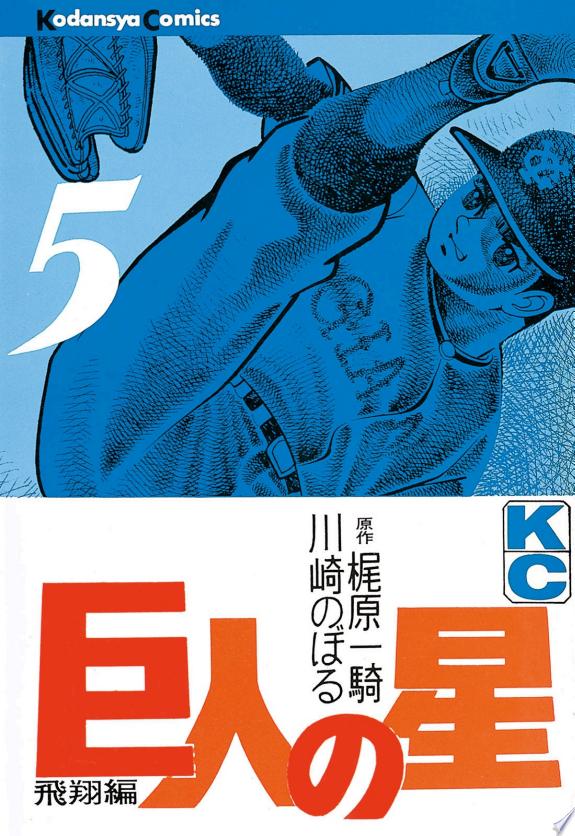
Kyojin no Hoshi follows Hyuma Hoshi, whose father — a former baseball player who never achieved his dream — has raised him from childhood to be a star pitcher for the Yomiuri Giants, through training that borders on abuse and produces a player who may be the greatest — at tremendous personal cost.
Sports / Drama
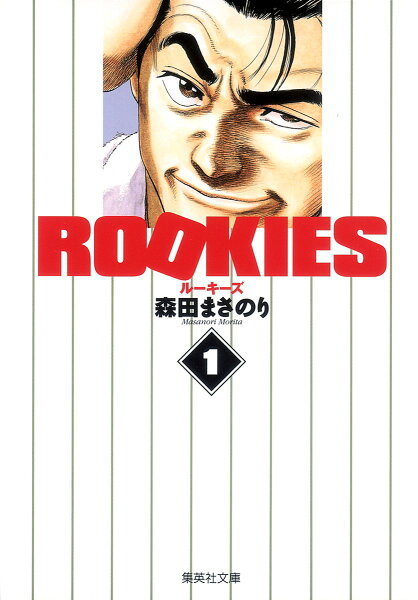
Rookies
Rookies follows Koichi Kawato, a young teacher transferred to Futakotamagawa High School who discovers a baseball club suspended after a violent incident — and decides, against all institutional advice, to coach them back to the Koshien.
Sports / Romance
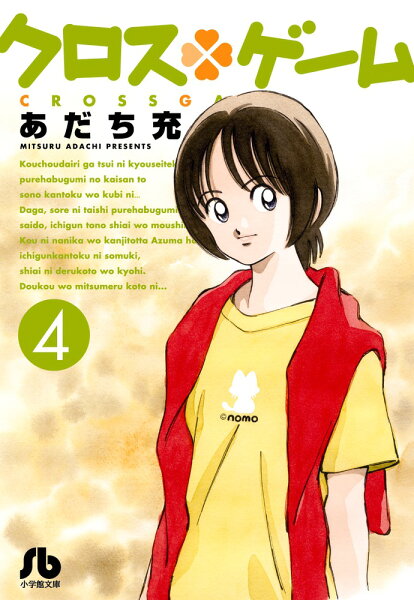
Cross Game
Yu's review of Cross Game — Ko grows up next to the four Tsukishima sisters, loses Wakaba in fifth grade, and spends seventeen volumes chasing the dream she left behind at Koshien.
Written by
Yu
Manga Enthusiast from Japan
I grew up in Japan and manga literally saved me during a tough time in elementary school. My English isn't perfect, but my love for manga is real — and I want to share it with you.