
Over Drive Review: The Cycling Manga That Got the Sport Right Before the Boom
by Tsuyoshi Yasuda
Read the first volume. If it doesn't hook you, put it down. It'll hook you.
Buy Over Drive on Amazon →*Affiliate link — I earn a small commission at no extra cost to you.
He started weak. The bike taught him otherwise. The lessons took 17 volumes and they all stuck.
Quick Take
- Tsuyoshi Yasuda's 17-volume cycling manga from Weekly Shonen Magazine — Mikoto's transformation through his high school cycling club
- One of the cycling manga that ran before Yowamushi Pedal's commercial breakout
- Combines underdog growth narrative with technical cycling specificity
Who Is This Manga For?
- Cycling manga readers who want the genre's solid mid-tier classics
- Underdog narrative fans who appreciate the from-weak-to-competitive arc
- Magazine sports readers who want one of the magazine's strong 2000s sports series
- Anyone interested in how high school sports clubs become identity-shaping experiences
Content Warnings & Age Rating
Age Rating: T (Teen) Content Warnings: Cycling competition, occasional crashes, training intensity.
Suitable for most readers.
Yu's Rating
| Category | Score |
|---|---|
| Story Depth | ★★★★☆ |
| Art Style | ★★★★☆ |
| Character Development | ★★★★☆ |
| Accessibility for Non-Japanese Readers | ★★★☆☆ |
| Reread Value | ★★★☆☆ |
Story Overview
Mikoto Shinozaki is a frail, unconfident high schooler who falls into the cycling club almost by accident. His initial weakness is depicted honestly — he is not secretly gifted, he is genuinely behind his teammates physically and mentally. The series follows his slow development from this starting point into a competitive racer.
The structure is conventional sports manga — practice, opponents, races — but the underdog premise gives every step weight. Mikoto's improvements are earned, not granted. His teammates' patience and his coach's guidance shape him gradually. The cycling content is technical: training methods, race tactics, equipment choices are all depicted with the specificity the subject requires.
Across 17 volumes the team develops alongside Mikoto. The club becomes his identity, his teammates become his closest relationships, and the cycling world becomes the context within which his growing-up happens.
Characters
Mikoto Shinozaki: The protagonist whose growth from weakness is the series' through-line — the transformation is gradual and earned.
The teammates and seniors: Each contributes specifically to Mikoto's development; the club is a community rather than a backdrop.
The opponents: Each race introduces specific rivals with specific approaches.
Art Style
Yasuda's art combines clean character work with technical cycling rendering — bikes drawn with attention to actual equipment, racing sequences emphasizing speed through linework, character expressions communicating physical effort convincingly.
Cultural Context
Over Drive ran from 2005 to 2008 in Weekly Shonen Magazine. The series belongs to the growing wave of cycling manga that preceded Yowamushi Pedal's 2008-2024 run, helping establish that cycling could work as a magazine sports series.
Magazine's editorial culture has supported a wide range of sports manga across its history, and Over Drive sits among its solid 2000s sports entries.
What I Love About It
I love that Mikoto starts genuinely behind.
Most underdog sports manga have protagonists with hidden gifts that emerge under pressure. Mikoto doesn't. He is, when the series starts, weaker than his teammates and weaker than the requirements of the sport. The series respects this enough to make his improvements depend on visible work and visible time. The honesty about starting points is what makes the development feel real.
What English-Speaking Fans Say
Limited international awareness without translation. Among cycling manga enthusiasts familiar with the era's offerings, regarded as a solid entry that ran alongside other emerging cycling work.
Memorable Scene ⚠️ Spoiler Warning
A late-series race where Mikoto, having become genuinely competitive, recognizes an opponent who reminds him of who he used to be — and the encounter clarifies what the years of work have actually built. The scene is the series' most direct thematic statement.
Similar Manga
| Title | Its Approach | How Over Drive Differs |
|---|---|---|
| Yowamushi Pedal | Modern cycling manga with team focus | Over Drive predates Yowamushi and shares the underdog premise |
| Shakariki! | Cycling manga from Champion focused on climbing | Over Drive is more general cycling rather than climbing-specific |
| Ahiru no Sora | Underdog basketball with weak protagonist | Same underdog template applied to a different sport |
Reading Order / Where to Start
Volume 1. The development depends on the foundation.
Official English Translation Status
Over Drive has no official English translation.
Pros & Cons
Pros
- Honest underdog premise without hidden-gift cheats
- Technical cycling content is solid
- Team and community development across 17 volumes
- Complete with a satisfying conclusion
Cons
- No English translation
- Cycling knowledge helps but isn't required
- Conventional sports-manga structure within its specific sport
- Less ambitious than the era's most distinctive sports manga
Is Over Drive Worth Reading?
For cycling manga readers and underdog-narrative fans, yes — this is a solid entry in both categories. For readers wanting more distinctive registers or who already know Yowamushi Pedal, the additional cycling work may feel similar. As reliable sports manga, it earns its 17 volumes.
Format Comparison
| Format | Notes |
|---|---|
| Physical | Japanese editions available |
| Digital | Available in Japanese |
| Omnibus | Collected editions available |
Where to Buy
No English release yet. That just means you find it before everyone else does.
*Affiliate link — I earn a small commission at no extra cost to you.
More Manga You Might Like
Sports / Drama
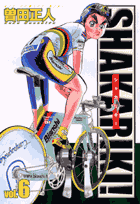
Shakariki!
Shakariki! follows Teru Nojima, a high school cyclist whose obsession with climbing — going up, faster, harder, with everything he has — defines his approach to the sport. Mitsuru Soda's 18-volume cycling classic that helped establish the genre in shonen manga.
Sports / Drama
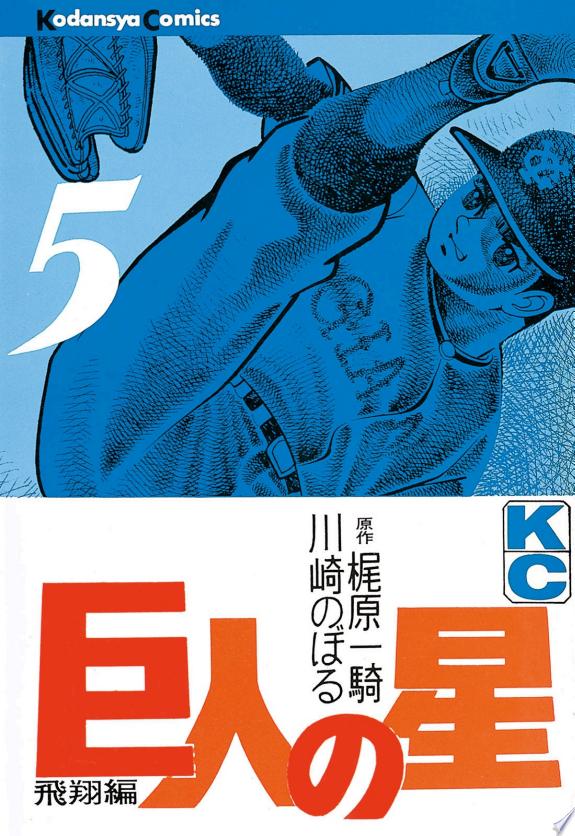
Kyojin no Hoshi
Kyojin no Hoshi follows Hyuma Hoshi, whose father — a former baseball player who never achieved his dream — has raised him from childhood to be a star pitcher for the Yomiuri Giants, through training that borders on abuse and produces a player who may be the greatest — at tremendous personal cost.
Sports / Drama
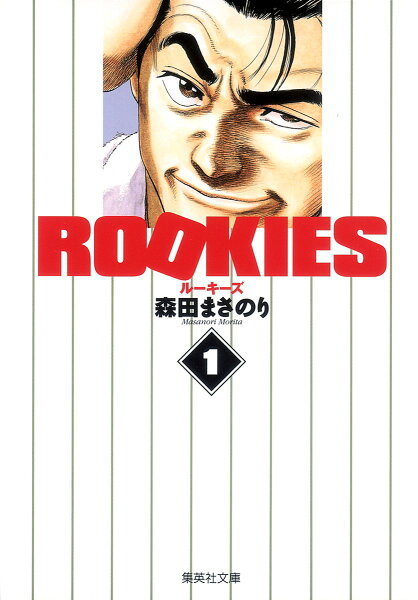
Rookies
Rookies follows Koichi Kawato, a young teacher transferred to Futakotamagawa High School who discovers a baseball club suspended after a violent incident — and decides, against all institutional advice, to coach them back to the Koshien.
Sports / Drama
Ping Pong
Yu's review of Ping Pong — two high school table tennis players, one a prodigy who loves the game and one who hates to lose, move toward a tournament while the manga asks what it means to devote yourself to something.
Sports / Drama
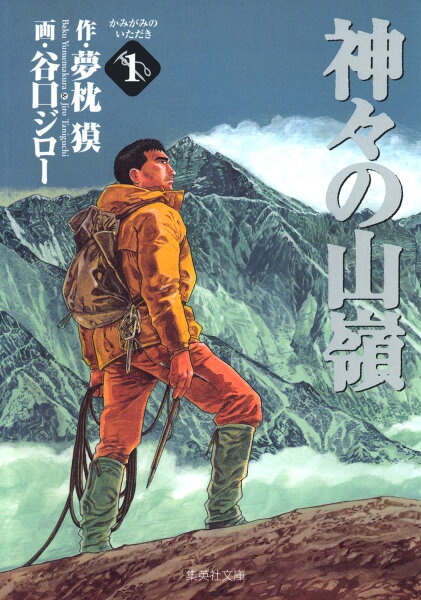
Kamigami no Itadaki
Kamigami no Itadaki is Jiro Taniguchi's 5-volume adaptation of Baku Yumemakura's mountaineering novel — Fukamachi, a journalist following the trail of a possibly-found camera that may prove George Mallory reached Everest's summit in 1924, with a Japanese alpinist's parallel obsession driving the story.
Sports / Drama
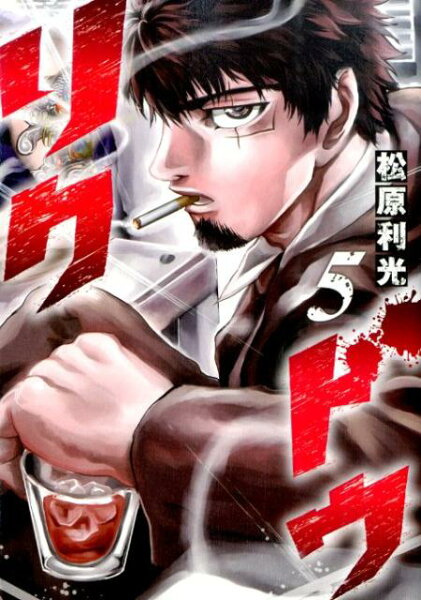
Rikudo
Rikudo follows Riku Akama, a boy whose abusive father destroyed his body and life — until boxing becomes the unlikely path through which he tries to reclaim something. A 22-volume Young Jump series whose darkness exceeded almost all boxing manga before it.
Written by
Yu
Manga Enthusiast from Japan
I grew up in Japan and manga literally saved me during a tough time in elementary school. My English isn't perfect, but my love for manga is real — and I want to share it with you.