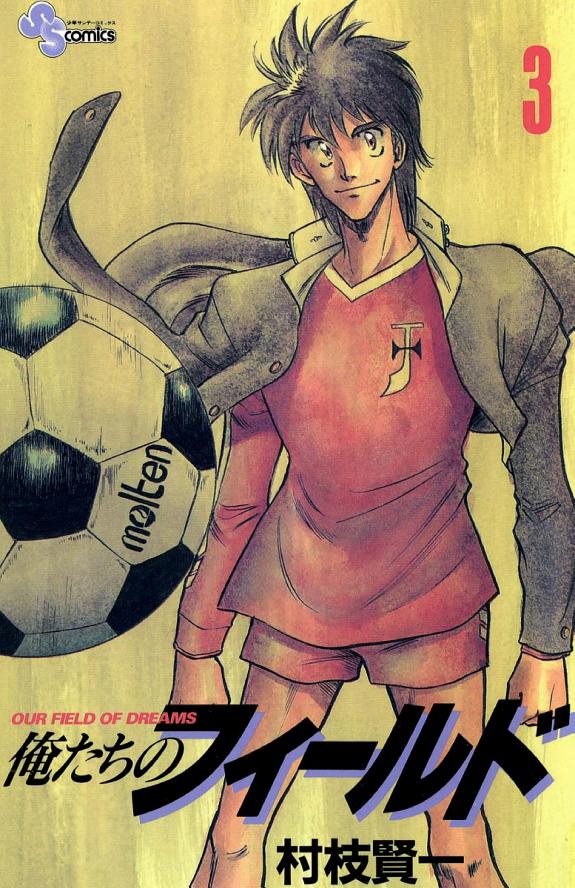
Ore-tachi no Field Review: The Soccer Manga That Grew Up With the J-League
by Natsuko Houchi
Read the first volume. If it doesn't hook you, put it down. It'll hook you.
Buy Ore-tachi no Field on Amazon →*Affiliate link — I earn a small commission at no extra cost to you.
The J-League launched in 1993. This manga was ready.
Quick Take
- Natsuko Houchi's soccer manga that ran alongside Japan's professional football founding era
- Sho Kamiya from youth soccer through the professional game — a complete athletic biography across 23 volumes
- Realistic, technically grounded, and emotionally honest about what professional sport actually requires
Who Is This Manga For?
- Soccer/football fans who want the sport depicted with technical seriousness
- J-League history readers who want the founding era from a manga perspective
- Long-form sports manga readers who want a complete career arc rather than a single tournament
- Anyone interested in how Japan approached professional football at the moment the J-League made it possible
Content Warnings & Age Rating
Age Rating: T (Teen) Content Warnings: Sports competition, adult professional sports themes. Nothing graphic.
Suitable for most readers.
Yu's Rating
| Category | Score |
|---|---|
| Story Depth | ★★★★☆ |
| Art Style | ★★★★☆ |
| Character Development | ★★★★☆ |
| Accessibility for Non-Japanese Readers | ★★★☆☆ |
| Reread Value | ★★★☆☆ |
Story Overview
Sho Kamiya starts playing soccer as a boy. He is good. He gets better. He reaches the professional level at the moment Japan's professional football league comes into existence. His career and the J-League's founding years overlap — what was theoretical when he started playing is real by the time he's good enough to be part of it.
The series traces this arc with the patience it requires. Youth soccer has different pressures than high school soccer; high school soccer has different pressures than the professional game. Each stage changes what Sho needs to be — not just technically but mentally and physically — and the series takes these changes seriously.
The J-League historical backdrop gives Ore-tachi no Field a specificity that most soccer manga lack. The founding clubs, the imported foreign players, the question of what Japanese professional football would be — these run through the series as texture and occasionally as plot.
Characters
Sho Kamiya: A protagonist whose development is traced completely — the boy who loved soccer and the professional who lives it are recognizably the same person through genuine development rather than sudden transformation.
The team and the opponents: The series invests in its supporting cast enough that the professional landscape feels populated rather than empty.
Art Style
Houchi's art captures soccer movement with the technical accuracy the sport requires — the positions, the passing geometry, the moments of genuine physical quality that separate good players from great ones. The sport is legible to readers who know the game.
Cultural Context
Ore-tachi no Field ran in Big Comic Spirits from 1992 to 1996, overlapping with the J-League's founding in 1993. The founding era was a particular cultural moment — Japan was becoming a professional football country after decades of the sport as purely amateur.
The manga captured this moment and reflected its implications: what professional sport means for players who grew up without it, what changes when a hobby becomes a possible career.
What I Love About It
I love that the series lets its protagonist fail.
Sports manga often protect their protagonist from genuine failure — setbacks are temporary, defeats are learning experiences, the arc bends toward triumph. Ore-tachi no Field allows Sho to fail in ways that have lasting consequences. Not every loss is a setup for the comeback. Some losses change the shape of what's available. That honesty is rare.
What English-Speaking Fans Say
Not widely known outside Japan. Among J-League history enthusiasts and soccer manga readers, Ore-tachi no Field is recognized as one of the most careful and realistic soccer manga of the 1990s — technically grounded and historically specific in ways that later soccer manga often aren't.
Memorable Scene ⚠️ Spoiler Warning
Sho's first professional game — the difference between what he expected and what actually happens, the adjustment required in real time, the discovery that professional quality is different not just in degree but in kind. The scene resists making the debut triumphant; instead it makes it honest.
Similar Manga
| Title | Its Approach | How Ore-tachi no Field Differs |
|---|---|---|
| Captain Tsubasa | Fantasy football with superhuman techniques | Realistic football within the sport's actual limits |
| Days | High school soccer team-building | Professional career arc from youth through the pro game |
| Giant Killing | Professional club management perspective | Player perspective rather than coach/manager viewpoint |
Reading Order / Where to Start
Volume 1. The youth soccer foundation is necessary context for the professional arc — the series earns its later stages by establishing where Sho starts.
Official English Translation Status
Ore-tachi no Field has no official English translation.
Pros & Cons
Pros
- Realistic, technically grounded soccer that respects the sport
- Complete career arc from youth to professional
- J-League founding era historical specificity
- The willingness to let the protagonist fail distinguishes it from the genre
Cons
- No English translation
- Soccer knowledge significantly enhances appreciation
- J-League specificity may require context for non-Japanese readers
- 23 volumes is a commitment for a sports manga that doesn't have the fantasy energy to sustain reader investment through spectacle
Is Ore-tachi no Field Worth Reading?
For soccer fans and readers who want realistic sports manga, yes — the technical grounding and career completeness make this one of the better sports manga of its era. For readers who want fantasy techniques and tournament excitement, Captain Tsubasa delivers that better. But for what Houchi is trying to do — realistic, adult, soccer — it's among the best.
Format Comparison
| Format | Notes |
|---|---|
| Physical | Japanese editions available |
| Digital | Available in Japanese |
| Omnibus | Selected collected editions available |
Where to Buy
No English release yet. That just means you find it before everyone else does.
*Affiliate link — I earn a small commission at no extra cost to you.
More Manga You Might Like
Sports
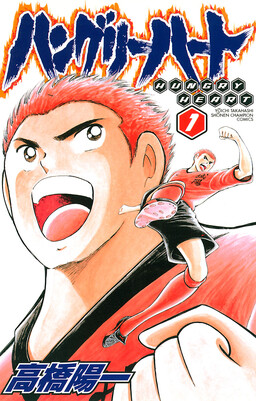
Hungry Heart Wild Striker
Yu's review of Hungry Heart Wild Striker — Kyōsuke Kanou is a soccer prodigy who quit the sport because of his older brother's overwhelming talent; when he joins a struggling team and meets a dedicated coach, he rediscovers his hunger for the game; a return to pure soccer manga from the Captain Tsubasa creator.
Sports
Captain Tsubasa
Yu's review of Captain Tsubasa — Yoichi Takahashi's 37-volume soccer classic that sparked Japan's football boom, following prodigy Tsubasa Ozora from a schoolyard duel to the national stage.
Sports / Romance
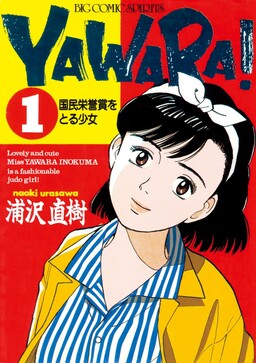
Yawara! A Fashionable Judo Girl
Yu's review of Yawara! — Yawara Inokuma is the granddaughter of a legendary judo master who has trained her since childhood to be a world champion; she has extraordinary talent and absolutely no desire to compete; what follows is her journey toward the Barcelona Olympics despite her own resistance.
Sports / Drama
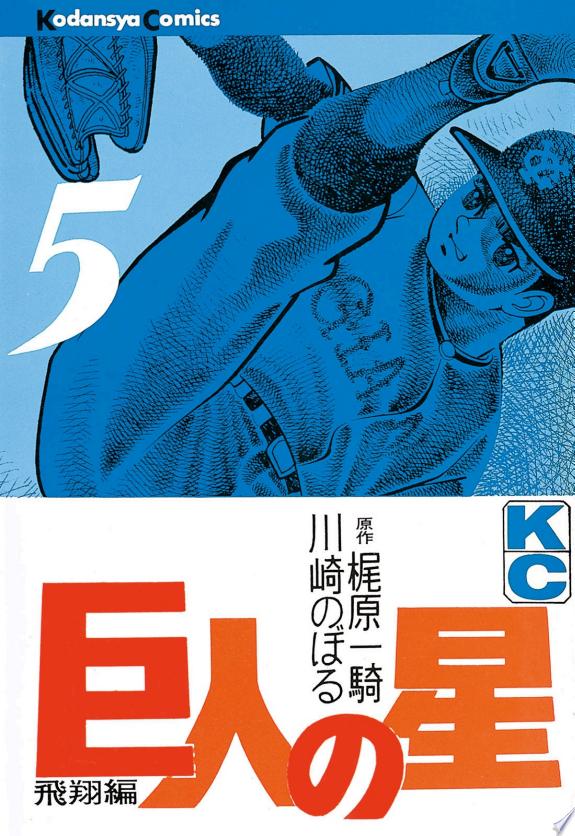
Kyojin no Hoshi
Kyojin no Hoshi follows Hyuma Hoshi, whose father — a former baseball player who never achieved his dream — has raised him from childhood to be a star pitcher for the Yomiuri Giants, through training that borders on abuse and produces a player who may be the greatest — at tremendous personal cost.
Sports / Drama
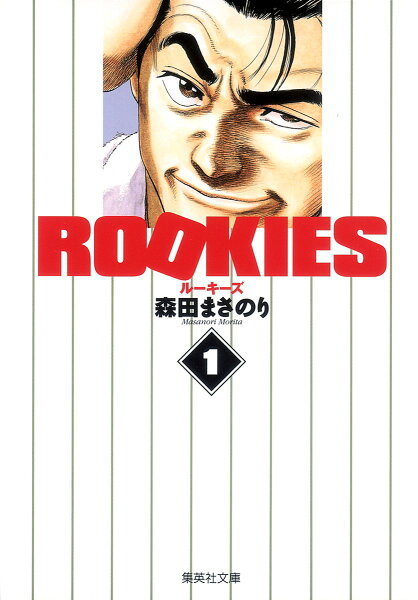
Rookies
Rookies follows Koichi Kawato, a young teacher transferred to Futakotamagawa High School who discovers a baseball club suspended after a violent incident — and decides, against all institutional advice, to coach them back to the Koshien.
Sports / Shojo
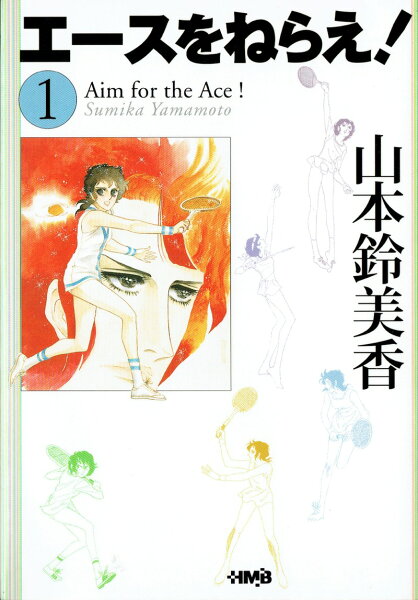
Ace wo Nerae!
Ace wo Nerae! follows Hiromi Oka, an ordinary first-year who falls in love with tennis and gets pulled into the brutal, devoted coaching of Jin Munakata — a 1970s shojo classic about a coach who is dying, a player he refuses to let stay ordinary, and what it costs to be the one person someone believes in.
Written by
Yu
Manga Enthusiast from Japan
I grew up in Japan and manga literally saved me during a tough time in elementary school. My English isn't perfect, but my love for manga is real — and I want to share it with you.