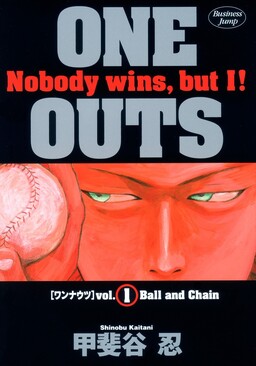
One Outs Review
by Shinobu Kaitani
Read the first volume. If it doesn't hook you, put it down. It'll hook you.
Buy One Outs on Amazon →*Affiliate link — I earn a small commission at no extra cost to you.
Quick Take
- A gambler pitcher joins a baseball team under a contract: money per out recorded, money lost per run
- The most psychologically intense baseball manga ever — think Liar Game but with a baseball field
- Toua Tokuchi is one of manga's best strategic protagonists
Who Is This Manga For?
- Fans of psychological strategy manga (Liar Game, Kaiji)
- Baseball readers who want mind games alongside athletic excellence
- Anyone who wants a complete sports manga with genuine tension
- Readers who love watching a genius protagonist outmaneuver everyone around him
Content Warnings & Age Rating
Age Rating: T (Teen) Content Warnings: gambling themes
Yu's Rating
| Category | Score |
|---|---|
| Story Depth | ★★★★★ |
| Art Style | ★★★★☆ |
| Character Development | ★★★★★ |
| Accessibility for Non-Japanese Readers | ★★★☆☆ |
| Reread Value | ★★★★☆ |
Story Overview
Toua Tokuchi is a legendary gambler who also happens to be a baseball pitcher of extraordinary ability. He's recruited by the Lygyerns, a struggling team, under an unusual contract: he earns money for every out he records, but owes money for every run scored against him. The team owner, trying to prevent the high-earning clause from costing him too much, schemes against Tokuchi at every turn. Tokuchi must pitch well enough to win games while outmaneuvering corporate sabotage, rival teams, and anyone who underestimates him.
Characters
Tokuchi is a magnificent protagonist — cold, confident, several steps ahead of everyone, with a specific code of what he considers fair. He's not exactly a hero but he is compelling in every scene. The antagonists are drawn with real intelligence — they're not stupid, they're just facing someone better.
Art Style
Kaitani's art serves the psychological drama effectively. Tokuchi's expressions — or deliberate lack of them — communicate his mental state with precision. The baseball sequences depict the sport accurately while serving the psychological narrative.
Cultural Context
One Outs draws from the tradition of gambling manga — psychological warfare between intelligent opponents with high stakes — and applies it to baseball. The corporate ownership dynamics reflect real tensions in Japanese professional baseball between management and players.
What I Love About It
Tokuchi in full control of a situation he's manufactured is one of the great pleasures in manga. Watching him identify someone's scheme, develop a counter, execute it with perfect patience, and then explain why it worked to someone who can't believe they were beaten — it's endlessly satisfying. The baseball is real but the psychological game is the point.
What English-Speaking Fans Say
One Outs is highly regarded internationally among fans of psychological manga and sports manga who overlap. It's frequently mentioned alongside Liar Game as an exemplar of the 'genius protagonist' psychological thriller genre. Complete at 20 volumes.
Memorable Scene ⚠️ Spoiler Warning
Spoiler Warning: The sequence where Tokuchi deliberately makes his contract look like a liability while actually engineering the situation so his owner is trapped regardless of what he does — a multiple-chapter manipulation that pays off perfectly — is the series at its peak.
Similar Manga
- Liar Game — The definitive psychological thriller manga
- Kaiji — Gambling psychological thriller
- Ace of Diamond — Serious baseball for contrast
Reading Order / Where to Start
Start from Volume 1. Complete at 20 volumes.
Official English Translation Status
Status: Complete Publisher: VIZ Media Volumes Available in English: 20 of 20
Pros & Cons
Pros:
- Tokuchi is an exceptional character
- Psychological strategy is genuinely brilliant
- Complete series
- Baseball and mind games perfectly integrated
Cons:
- Less emotional than typical sports manga
- Tokuchi being always right can feel repetitive
- Requires enjoying 'genius wins' narratives
Format Comparison
| Format | Link | Notes |
|---|---|---|
| Paperback | Amazon | VIZ edition — all 20 volumes |
Where to Buy
Read the first volume. If it doesn't hook you, put it down. It'll hook you.
This post contains affiliate links. If you purchase through these links, I may earn a small commission at no extra cost to you. As an Amazon Associate, I earn from qualifying purchases.
*Affiliate link — I earn a small commission at no extra cost to you.
More Manga You Might Like
Sports / Psychological
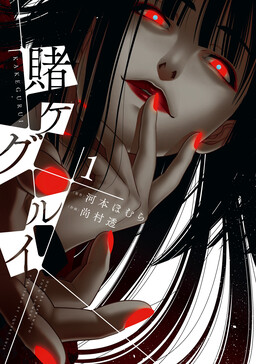
Kakegurui
Yu's review of Kakegurui — Hyakkaou Private Academy determines student hierarchy through gambling; transfer student Yumeko Jabami arrives and reveals she is not playing for money or status but for the pure pleasure of risking everything, which systematically dismantles everyone who thought they were in control.

Sports / Romance
Touch
Twin brothers Tatsuya and Kazuya Uesugi live next door to Minami Asakura. Kazuya is the baseball genius. Tatsuya is the slacker. Minami's dream is to see one of them pitch at Koshien. Then volume 6 happens, and Mitsuru Adachi's 1981 baseball manga becomes the work that defined Japanese sports manga forever.
Sports / Drama
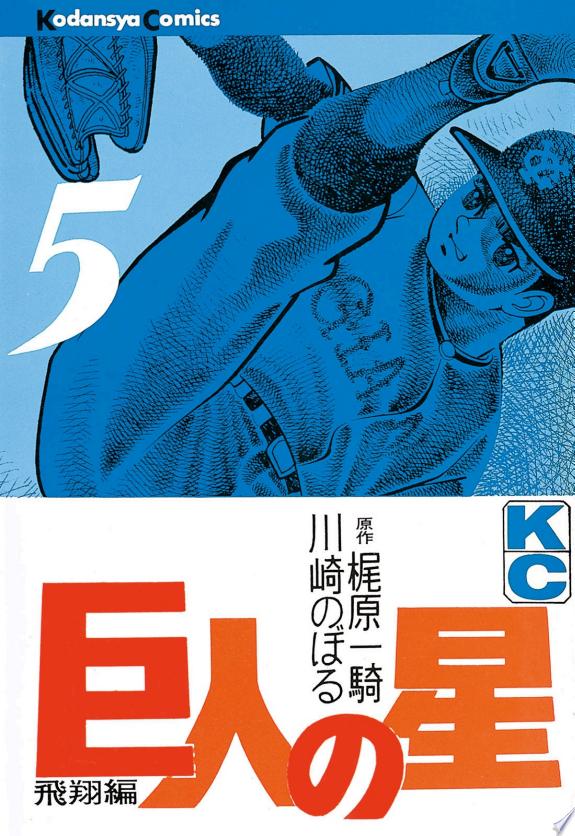
Kyojin no Hoshi
Kyojin no Hoshi follows Hyuma Hoshi, whose father — a former baseball player who never achieved his dream — has raised him from childhood to be a star pitcher for the Yomiuri Giants, through training that borders on abuse and produces a player who may be the greatest — at tremendous personal cost.
Sports / Drama
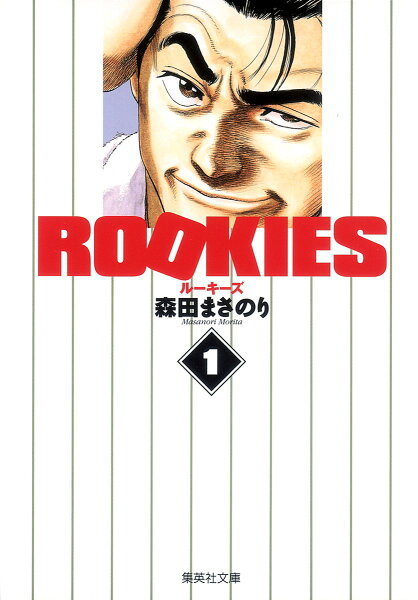
Rookies
Rookies follows Koichi Kawato, a young teacher transferred to Futakotamagawa High School who discovers a baseball club suspended after a violent incident — and decides, against all institutional advice, to coach them back to the Koshien.
Sports / Drama
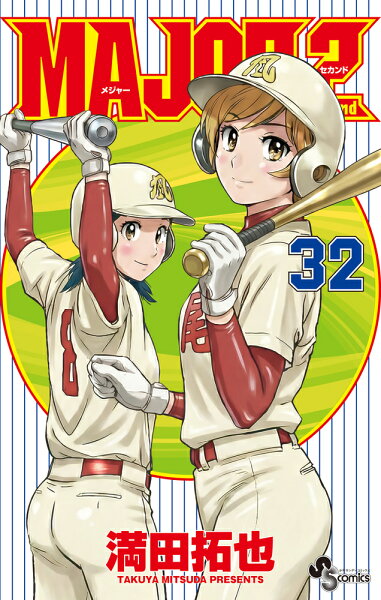
Major
Yu's review of Major — Goro Honda is the son of a professional baseball player; when loss defines his childhood, baseball becomes how he carries his father forward; the series follows Goro from little league through professional baseball across 78 volumes, one of the longest complete sports manga stories ever told.
Sports / Romance
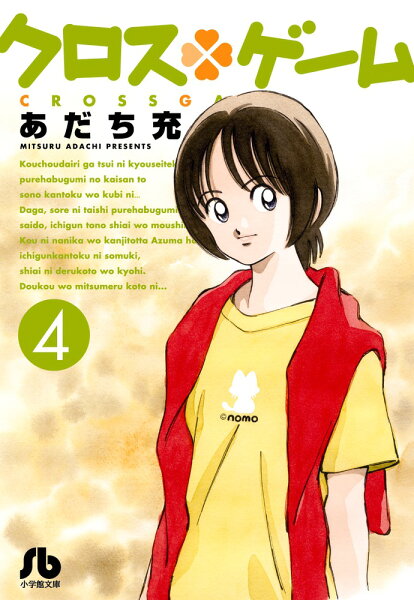
Cross Game
Yu's review of Cross Game — Ko grows up next to the four Tsukishima sisters, loses Wakaba in fifth grade, and spends seventeen volumes chasing the dream she left behind at Koshien.
Written by
Yu
Manga Enthusiast from Japan
I grew up in Japan and manga literally saved me during a tough time in elementary school. My English isn't perfect, but my love for manga is real — and I want to share it with you.
Disclosure: This post contains affiliate links. As an Amazon Associate, I earn from qualifying purchases at no extra cost to you.