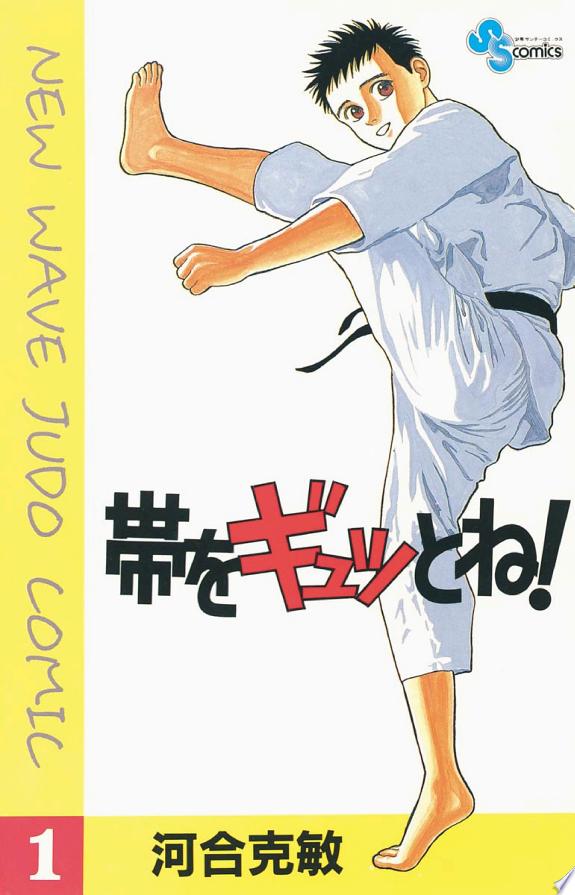
Obi wo Gyutto ne! Review: The Judo Manga That Made the Mat Feel Like a Battlefield and a Love Letter
by Katsuhito Kawai
Read the first volume. If it doesn't hook you, put it down. It'll hook you.
Buy Obi wo Gyutto ne! on Amazon →*Affiliate link — I earn a small commission at no extra cost to you.
Five friends, one mat, zero members — and they needed fifteen to have a club.
Quick Take
- Katsuhito Kawai's 30-volume judo manga from Weekly Shonen Sunday — a group of friends building a judo program from nothing
- The sport is serious; the friendships are warmer; the romantic comedy runs alongside both
- A steady, reliable sports series that understood its characters as people first and athletes second
Who Is This Manga For?
- Judo fans who want the sport depicted with genuine technical knowledge
- Sports manga readers who want ensemble cast dynamics over single-protagonist focus
- Readers who want the friendship to matter as much as the competition
- Shonen Sunday fans who want the magazine's 1990s sweet spot of sports and comedy
Content Warnings & Age Rating
Age Rating: T (Teen) Content Warnings: Sports competition, judo matches, mild romantic elements. Nothing concerning.
Suitable for most readers.
Yu's Rating
| Category | Score |
|---|---|
| Story Depth | ★★★☆☆ |
| Art Style | ★★★★☆ |
| Character Development | ★★★★☆ |
| Accessibility for Non-Japanese Readers | ★★★☆☆ |
| Reread Value | ★★★☆☆ |
Story Overview
Five childhood friends — three boys and two girls who have trained together since they were small — arrive at the same high school and discover it has no judo club. They form one. Getting enough members, finding a coach, competing against established programs — the early volumes are about building something from the ground up, which gives the series energy that later sports manga sometimes skip past.
The friends' dynamic is the series' real subject. They know each other too well for drama to be simple — the romantic tension between characters who have been friends for years is handled with the specificity that long friendship requires, rather than the generic misunderstanding of shojo romance.
The judo is technically grounded. Kawai clearly knows the sport — the match sequences have real tactical content, the techniques are depicted accurately, and the competitive hierarchy (club vs. club, region vs. region) is treated with the seriousness it deserves.
Characters
The ensemble: Five distinct characters whose established friendship gives the series its warmth — each brings a different relationship to judo and to each other.
Koga and Fujimaki: The central romantic tension — two people who know each other so well that acknowledging the tension takes most of the series.
Art Style
Kawai's art handles judo movement with technical clarity — the throws, the holds, the split-second timing of a successful technique. The character designs are distinct enough that the ensemble is always readable, and the friendly faces have genuine expressiveness in the comedy sequences.
Cultural Context
Obi wo Gyutto ne! ran in Weekly Shonen Sunday from 1989 to 1995. Judo's visibility in Japan was consistently high — Olympic success, widespread school programs — and the sport's combination of physical technique and mental discipline suited the Sunday sports tradition.
The series appeared during Sunday's golden era for sports manga, alongside other series that understood sport as character development rather than just competition.
What I Love About It
I love that the five of them were already friends.
Most sports manga builds the team from strangers. Here the friends already have history — they know each other's weaknesses, they've seen each other lose, they understand who each person is when the pressure is real. That prior knowledge makes the competition more honest and the friendship more earned. It's a different kind of story.
What English-Speaking Fans Say
Not widely known outside Japan. Among judo manga readers and fans of 1990s Sunday sports series, recognized as a solid ensemble sports manga with stronger character dynamics than the genre typically offers.
Memorable Scene ⚠️ Spoiler Warning
A match where one of the five, competing against a significantly stronger opponent, uses not superior technique but the accumulated knowledge of years of practice — the moment where the competition becomes a test of who they've become rather than what they can do in the moment.
Similar Manga
| Title | Its Approach | How Obi wo Gyutto ne! Differs |
|---|---|---|
| Yawara! | Judo prodigy's career arc from youth to Olympic level | Ensemble of equals rather than single genius protagonist |
| Slam Dunk | Basketball team-building from scratch with comedy | Judo specificity and pre-formed friendship dynamic |
| Touch | Baseball siblings and romantic triangle with sport as backdrop | Judo competition is more central; the friendship group is wider |
Reading Order / Where to Start
Volume 1. The founding of the club is the series' opening arc and establishes the ensemble immediately.
Official English Translation Status
Obi wo Gyutto ne! has no official English translation.
Pros & Cons
Pros
- Pre-formed friendship dynamic creates a different ensemble energy
- Technically accurate judo
- The romantic comedy is handled with specificity rather than generic misunderstanding
- Complete at 30 volumes
Cons
- No English translation
- Judo knowledge significantly enhances the competition sequences
- 30 volumes requires significant commitment
- The pacing is steady rather than urgent — that's either a flaw or a feature depending on you
Is Obi wo Gyutto ne! Worth Reading?
For judo fans and readers who want ensemble sports manga with strong friendship dynamics, yes — the pre-formed friend group gives the series an energy that builds-from-strangers sports manga doesn't have. For readers who need high-stakes tournament escalation, the steady pacing may not satisfy. But as a warm, technically grounded judo series, it earns its 30 volumes.
Format Comparison
| Format | Notes |
|---|---|
| Physical | Japanese editions available |
| Digital | Available in Japanese |
| Omnibus | Collected editions available |
Where to Buy
No English release yet. That just means you find it before everyone else does.
*Affiliate link — I earn a small commission at no extra cost to you.
More Manga You Might Like
Sports / Romance
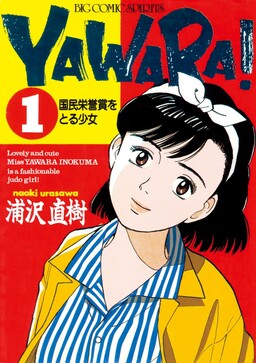
Yawara! A Fashionable Judo Girl
Yu's review of Yawara! — Yawara Inokuma is the granddaughter of a legendary judo master who has trained her since childhood to be a world champion; she has extraordinary talent and absolutely no desire to compete; what follows is her journey toward the Barcelona Olympics despite her own resistance.

Sports / Drama
Ore wa Teppei
Ore wa Teppei follows Teppei, a wild boy raised in the mountains who comes to the city and discovers judo — a story about raw talent meeting structured discipline, and what happens when someone who has never been constrained learns to choose constraint.
Sports / Comedy
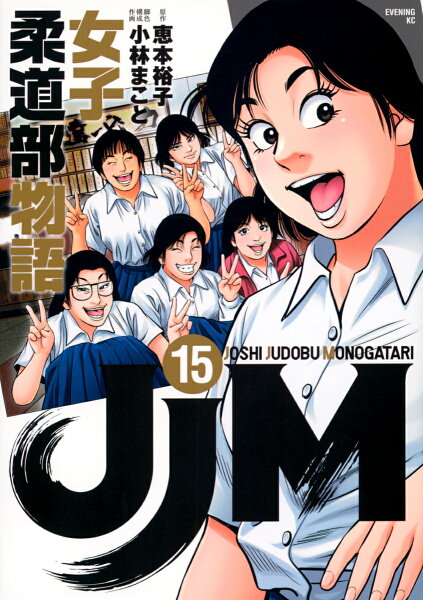
Judo Club Story
Judo Club Story follows Sanshiro Fujimaki, a high school freshman who joins the judo club by mistake and discovers — against his will and better judgment — that he is genuinely good at judo.
Sports / Drama
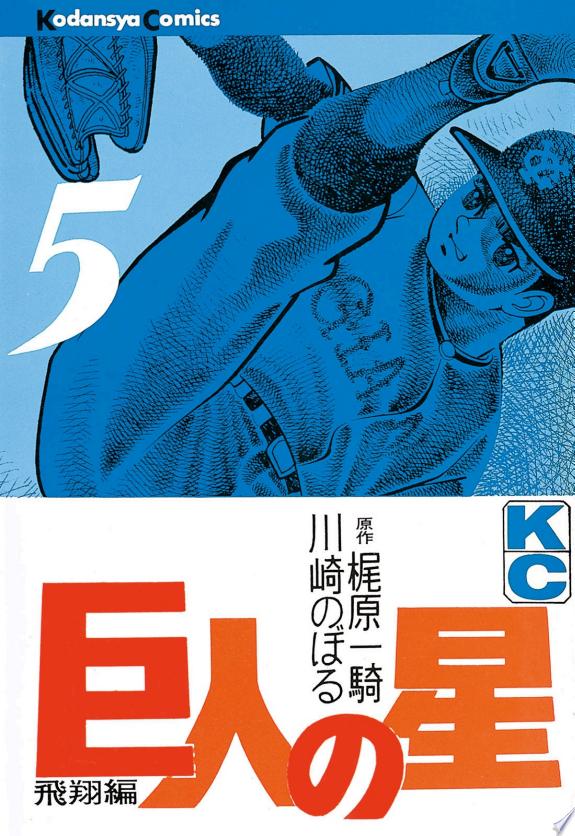
Kyojin no Hoshi
Kyojin no Hoshi follows Hyuma Hoshi, whose father — a former baseball player who never achieved his dream — has raised him from childhood to be a star pitcher for the Yomiuri Giants, through training that borders on abuse and produces a player who may be the greatest — at tremendous personal cost.
Sports / Drama
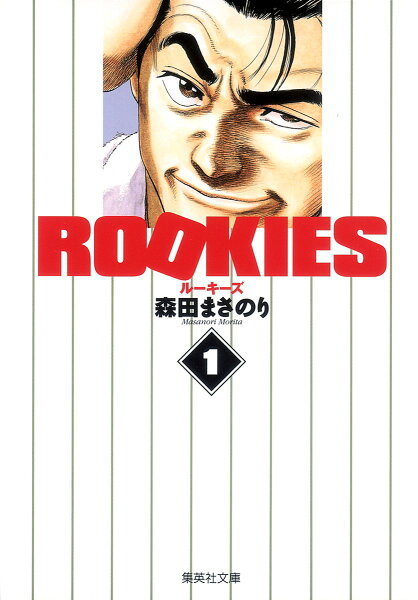
Rookies
Rookies follows Koichi Kawato, a young teacher transferred to Futakotamagawa High School who discovers a baseball club suspended after a violent incident — and decides, against all institutional advice, to coach them back to the Koshien.
Sports / Shojo
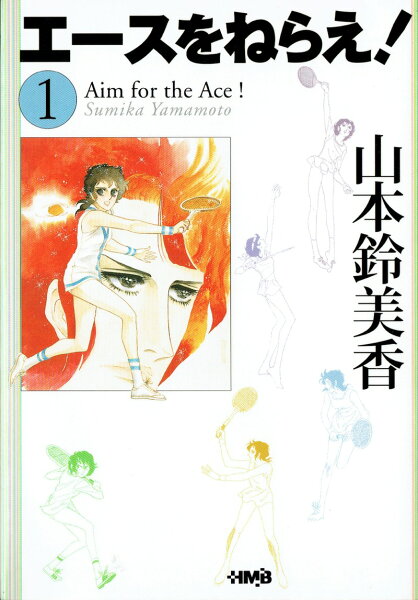
Ace wo Nerae!
Ace wo Nerae! follows Hiromi Oka, an ordinary first-year who falls in love with tennis and gets pulled into the brutal, devoted coaching of Jin Munakata — a 1970s shojo classic about a coach who is dying, a player he refuses to let stay ordinary, and what it costs to be the one person someone believes in.
Written by
Yu
Manga Enthusiast from Japan
I grew up in Japan and manga literally saved me during a tough time in elementary school. My English isn't perfect, but my love for manga is real — and I want to share it with you.