Nine Review: Mitsuru Adachi's First Masterpiece — Baseball, Love, and Growing Up
by Mitsuru Adachi
Read the first volume. If it doesn't hook you, put it down. It'll hook you.
Buy Nine on Amazon →*Affiliate link — I earn a small commission at no extra cost to you.
Quick Take
- Mitsuru Adachi's breakthrough series — where his signature style first fully crystallized.
- Nine volumes of understated baseball romance that hold up remarkably well.
- Not officially available in English, but essential for Adachi fans willing to seek it out.
Who Is This Manga For?
- Fans of Mitsuru Adachi fans who have loved Touch or H2 and want to explore his roots
- Readers who enjoy sports manga that treats emotion as seriously as competition
- Anyone interested in classic manga history — how 1980s shonen established genre norms still felt today
- People who like baseball manga where the sport becomes the language for things that can't be said directly
Content Warnings & Age Rating
Age Rating: T (Teen) Content Warnings: mild romance, sports themes
Safe for most readers.
Yu's Rating
| Category | Score |
|---|---|
| Story Depth | ★★★★☆ |
| Art Style | ★★★★☆ |
| Character Development | ★★★★★ |
| Accessibility for Non-Japanese Readers | ★★★★☆ |
| Reread Value | ★★★★☆ |
Overall: 4/5 — Essential for Adachi fans — his origin point, already carrying the DNA of his masterworks.
Story Overview
Katsuya Niimi joins a struggling high school baseball club facing an impossible path to Koshien. Around him are teammates with their own dreams, and Yuri, a girl whose presence changes everything about why he shows up to practice each day. Nine is a smaller, quieter story than Touch — Adachi himself has called it the series where he figured out who he was as a creator.
Characters
The cast of Nine is built around contrasting personalities that force each other to grow. The main character carries a mix of strength and vulnerability — enough to earn sympathy without feeling passive. Supporting characters each serve a distinct emotional function: some mirror the protagonist's flaws, others challenge their assumptions, and a few provide the warmth that makes the harder moments bearable.
Art Style
Mitsuru Adachi's visual style suits the story it tells. Emotional moments land because facial expressions are drawn with real attention to subtlety — you rarely need dialogue to understand what a character is feeling. Background detail varies by scene, pulling back in quiet moments and getting tight and detailed when the stakes rise.
Cultural Context
Nine comes from Adachi's formative period at Shonen Sunday developing the sports-romance hybrid that would define his career and influence Japanese sports storytelling for decades. English readers will find most of this translates naturally; a few cultural notes in good translations help bridge any remaining gaps.
What I Love About It
Reading Nine after Touch and H2 is like finding early sketches by an artist you love. The elements are slightly rawer, the execution less refined — but the essential Adachi vision is completely present. The quiet dignity he gives his characters, the refusal to make baseball more important than the people playing it — it's all here. There's something moving about watching mastery find its form.
What English-Speaking Fans Say
Western readers who find this series often describe it as something they wish they'd found sooner. The emotional beats translate well; the universal themes of connection, loss, and growth resonate regardless of cultural background. Fans of similar series consistently recommend it as a must-read for genre newcomers and veterans alike.
Memorable Scene ⚠️ Spoiler Warning
There is a moment — usually in the middle or final act — where the story does something unexpected with a character you thought you understood. The setup is careful and patient. The payoff is sudden and complete. Readers report rereading earlier chapters afterward, finding all the foreshadowing they missed the first time.
Similar Manga
If you enjoyed Nine, try:
- Touch by Mitsuru Adachi — the series that perfected what Nine started
- H2 by Mitsuru Adachi — his longest and finest work
- Cross Game by Mitsuru Adachi — most accessible as an entry point
Reading Order / Where to Start
Start from volume 1. This series builds its world and characters carefully from the first chapter — jumping in anywhere else means losing the context that makes later moments land. Volume 1 is a very strong opening; if you're not hooked by the end of it, this series may not be for you.
Official English Translation Status
Nine is ongoing in English translation. New volumes are releasing regularly.
Pros & Cons
Pros:
- Ongoing with regular releases
- Strong character work and genuine emotional investment
- Short and complete at 9 volumes — a commitment that rewards quickly
Cons:
- No official English translation — fan translations required
- Less refined than later Adachi works — reads as the apprenticeship it was
Format Comparison
| Format | Pros | Cons |
|---|---|---|
| Physical | Best art reproduction | May require ordering online |
| Digital | Instant access, cheaper | Less collector value |
| Used | Very affordable | Condition and availability vary |
Where to Buy
No English release yet. That just means you find it before everyone else does.
This post contains affiliate links. If you purchase through these links, I may earn a small commission at no extra cost to you. As an Amazon Associate, I earn from qualifying purchases.
*Affiliate link — I earn a small commission at no extra cost to you.
More Manga You Might Like
Sports / Romance
Touch
Twin brothers Tatsuya and Kazuya Uesugi live next door to Minami Asakura. Kazuya is the baseball genius. Tatsuya is the slacker. Minami's dream is to see one of them pitch at Koshien. Then volume 6 happens, and Mitsuru Adachi's 1981 baseball manga becomes the work that defined Japanese sports manga forever.
Sports / Romance
Cross Game
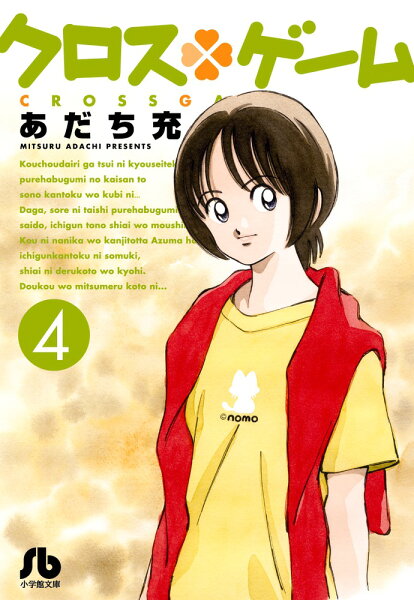
Yu's review of Cross Game — Ko grows up next to the four Tsukishima sisters, loses Wakaba in fifth grade, and spends seventeen volumes chasing the dream she left behind at Koshien.

Sports / Romance
H2
Mitsuru Adachi's longest baseball manga (1992–1999, 34 volumes). The title means '2 Heroes, 2 Heroines' — pitchers Hiro and Hideo, manager Haruka and childhood friend Hikari. After Touch's iconic tragedy, Adachi returned to baseball with a longer, lighter, but no less affecting story. Unlicensed in English; widely considered one of his three best works alongside Touch and Cross Game.
Sports / Romance
Mix: Meisei Story
A review of Mix: Meisei Story, Mitsuru Adachi's return to baseball manga set in the same world as Touch — quiet, funny, and deeply good.
Sports / Drama
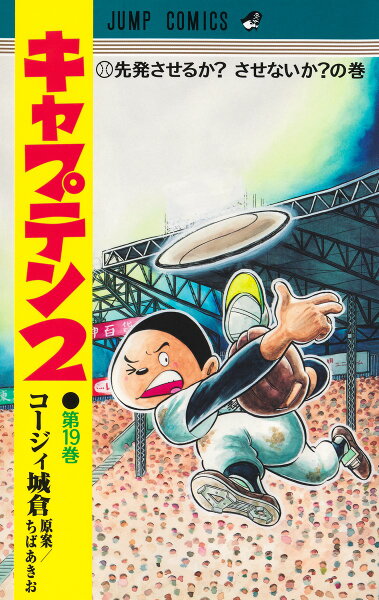
Captain
Captain follows four generations of captains at a weak downtown middle school baseball team — starting with Takao Taniguchi, a former bench player mistaken for a star, who trains himself half to death rather than admit the truth.
Sports / Drama
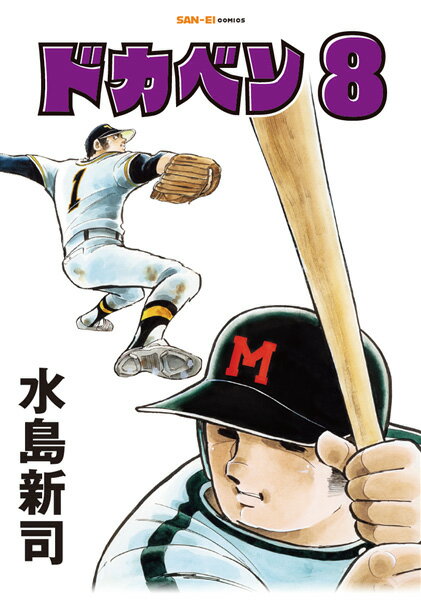
Dokaben
Dokaben follows Taro Yamada, a gentle giant who starts out in his middle school's judo club before becoming the catcher who carries Meikun High School to Koshien. Shinji Mizushima's classic ran in Weekly Shonen Champion from 1972 to 1981.
Written by
Yu
Manga Enthusiast from Japan
I grew up in Japan and manga literally saved me during a tough time in elementary school. My English isn't perfect, but my love for manga is real — and I want to share it with you.
Disclosure: This post contains affiliate links. As an Amazon Associate, I earn from qualifying purchases at no extra cost to you.