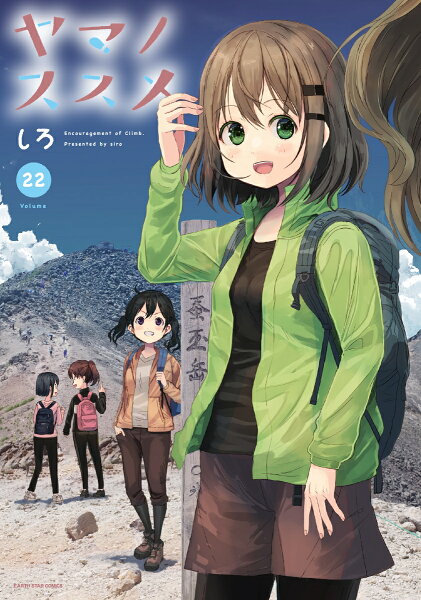
Yama no Susume (Encouragement of Climb) Review — A Hiking Manga That Treats Mountains and Social Anxiety With the Same Honest Care
by Shiro
Read the first volume. If it doesn't hook you, put it down. It'll hook you.
Buy Yama no Susume on Amazon →*Affiliate link — I earn a small commission at no extra cost to you.
I climbed Mt. Takao with my dad when I was seven. I cried halfway up because I wanted to go home. He didn't make a big deal about it. We turned around, came back down, ate at a soba place at the bottom, and he said we'd try again when I was older.
We never did. He died when I was nineteen. The first thing I did after the funeral was take a train to Takao and walk up by myself. I cried then too, but for different reasons, and I made it to the top.
I think about that day a lot when I read Yama no Susume.
Quick Take
- The definitive Japanese hiking manga — real mountains, real gear, real anxiety
- Aoi's social difficulty is treated with the same seriousness as the technical mountain content
- Age rating: All Ages — entirely safe; one of the most calming long-running manga in print
What Is the Best Hiking Manga? (Yes, This Is It)
If you searched "hiking manga" and found this article: yes, Yama no Susume is the answer. It's the manga that takes hiking the most seriously in Japanese publishing.
Other strong hiking/mountain manga exist (Gaku, Kokou no Hito) but they're focused on alpinism, mountain rescue, or extreme climbing. Yama no Susume is specifically a hiking manga — day trips, weekend ascents, accessible mountains that real readers can climb themselves. The author has hiked the trails the manga depicts. The gear, the weather conditions, the trail courtesy rules, and the specific physical experience of climbing are all rendered with accuracy.
The English-language hiking community has discovered the manga slowly. The anime adaptation (titled "Encouragement of Climb" in English-speaking markets) has a moderate following. The manga itself remains unlicensed in English, which is the biggest barrier to wider Western recognition.
What Is Yama no Susume About?
Aoi Yukimura is a quiet, introverted high school girl. She has social anxiety — not the cute fictional kind, the actual difficult-to-function kind. She prefers staying indoors, avoids large groups, and finds most social interactions exhausting.
When Aoi was a child, she and her father climbed mountains together. She loved it. Then her family situation changed (her father's job took him away, her mother became the primary parent, life narrowed) and she stopped. The hiking love became a buried memory.
In high school, Aoi reconnects with Hinata Kuraue — her loud, extroverted, fearless childhood friend, who remembers their old mountain promise. Hinata drags Aoi out to climb Mt. Tenran, a small mountain in their hometown of Hannou (a real city in Saitama). The trip is harder than Aoi expects. She cries. Hinata doesn't make a big deal about it.
That's volume 1.
Across the following 25+ volumes (ongoing), Aoi gradually rebuilds her relationship with hiking. The series progresses through increasingly serious mountains: Mt. Takao (the famous Tokyo daytrip), Mt. Mitsutoge, Mt. Kumotori, eventually building toward Mt. Fuji — Aoi's stated goal from early in the series. The Fuji arc, when it comes (volume 12 roughly), is one of the most carefully built payoffs in slice-of-life manga.
The series adds friends as it goes — Kaede Saitou, an upperclassman with serious mountaineering experience; Kokona Aoba, a younger middle-schooler with hiking-experienced parents — but the core remains Aoi's slow, real, non-linear growth.
Who Is This Manga For?
- Hikers, weekend walkers, and outdoor enthusiasts who want their hobby reflected in manga form
- Readers with social anxiety — Aoi is depicted with rare honesty
- Yuru Camp△ fans who want the slightly more strenuous cousin to that series
- Japanese-language readers: the manga is unlicensed in English, so reading means Japanese or fan scanlations
- Anime watchers: the four-season anime adaptation covers approximately the first 17 volumes
Content Warnings & Age Rating
Age Rating: All Ages Content Warnings: Mountain-specific risks depicted accurately (sudden weather changes, altitude, physical exhaustion); some emotionally heavy moments around Aoi's anxiety; one mid-series arc deals with a hiking injury that's handled realistically
Nothing in the manga is inappropriate for younger readers. It's entirely safe content with adult emotional depth.
Story Overview
The manga is structurally episodic but emotionally cumulative. Each arc follows one mountain trip, with preparation chapters, the ascent, and post-trip reflection.
Volumes 1–3 — The local mountains. Aoi and Hinata work up from Mt. Tenran through small, accessible peaks. The series establishes its tone: hiking trips interspersed with quiet character moments, real gear discussions, and Aoi processing her anxiety in non-mountain situations.
Volumes 4–8 — The expanding cast. Kaede and Kokona join. The hiking gets more serious. The series introduces real Japanese mountains that readers can visit: Mt. Takao, Mt. Mitsumine, Mt. Akagi. Aoi's social progress is non-linear; the manga shows her improving and regressing in believable cycles.
Volumes 9–13 — The Fuji arc. Aoi has been building toward Mt. Fuji since the beginning. The arc covers training, gear preparation, the multi-day climb, and the descent. Aoi's first Fuji attempt is the series' major emotional centerpiece. I won't say whether she summits on the first try.
Volumes 14–26 (ongoing) — Beyond Fuji. The series expands its geographical reach (the Japanese Alps, mountains beyond Kanto), develops the supporting cast further, and continues Aoi's slow process of becoming a person who can choose her own life.
Characters
Aoi Yukimura — The protagonist whose growth is the manga's most carefully constructed arc. Her social anxiety is rendered honestly — not as a quirk to be overcome by chapter 12, but as a real condition that shapes how she experiences every situation. Her hiking love is the manga's center, but it's not a cure for her anxiety. It's a context where her anxiety matters less. That distinction is the manga's most important insight.
Hinata Kuraue — Aoi's childhood friend, loud and brave and emotionally generous. Hinata is the engine of the early manga; she's also written with her own interiority. Her friendship with Aoi has weight because the manga lets Hinata be hurt by Aoi's withdrawals as well as encouraged by her growth. The mid-series fight between them (around volume 8) is one of the manga's best chapters.
Kaede Saitou — A senior at their school with serious mountaineering experience. Kaede provides the manga's technical authority — she knows gear, weather, route planning. She's also written as a real teenager dealing with her own pressures, including a complicated relationship with her own mountaineering instructor.
Kokona Aoba — A younger middle school student whose parents are experienced hikers. Kokona is small, careful, and braver than she looks. She's the manga's most consistently warm character.
Mr. Yukimura (Aoi's father) — A background figure who emerges in flashbacks and occasional present-day appearances. His relationship with Aoi — the mountains he taught her to love, the absence in her life caused by his work — is the manga's emotional underground.
Art Style
Shiro's art is clean, warm, and meticulously researched. Character designs are gentle and expressive. The mountain rendering is the standout: weather, geological features, vegetation zones, trail conditions are all depicted with accuracy. Readers who have hiked the real mountains the manga visits report being able to recognize specific viewpoints and trail markers.
The gear depictions are equally careful. Boots, packs, layering systems, food, hydration — all are drawn with the precision of someone who has used them. The series doubles as a hiking education for readers who want one.
Cultural Context
Japan has the most developed hiking culture in Asia. The Japanese Alps, the Hyakumeizan ("100 Famous Mountains") tradition, the mountain hut system, and the deep religious/spiritual relationship to mountains in Japanese culture all inform the manga. Yama no Susume engages with this culture from the inside — characters use real Japanese mountain etiquette, eat real trail food, and follow real route conventions.
The manga also participates in a recent Japanese cultural moment: the rise of soto-asobi (outdoor leisure) as a major lifestyle category among young Japanese adults. Yuru Camp△ (the camping manga), Yama no Susume, and similar works are part of a broader publishing trend reflecting urban Japan's renewed interest in nature-based activities.
What I Love About It
The chapter where Aoi first fails on a mountain.
I won't say which mountain. What I'll say: Aoi has been training. She has the gear. She has Hinata. She has prepared. And on the day of the climb, something goes wrong — a combination of weather, her physical condition, and her own anxiety — and she has to turn back before the summit.
The chapter is rendered without melodrama. Aoi cries on the descent. Hinata walks with her. There's no inspirational speech, no big lesson. They go home. Aoi eats dinner with her mother. The next chapter is Aoi looking at the mountain from her bedroom window, deciding whether she wants to try again.
What I love is that the manga lets failure be failure. Aoi doesn't immediately bounce back. The next several chapters show her processing — not just "did I lose," but "is this who I am, someone who tries and fails and has to decide what to do with that." This is rare in any genre, but it's especially rare in sports manga, where failure is usually a setup for the next victory.
Yama no Susume understands that for an anxious person, failing in public is its own kind of mountain. Aoi has to climb that one before she gets to retry the actual mountain. The manga gives both climbs equal weight.
What English-Speaking Fans Say
The English fan community is small but devoted. Yama no Susume has not been licensed in English manga, but the anime (titled Encouragement of Climb) has aired four seasons internationally. English discussion happens mostly in r/manga, r/anime, and dedicated outdoor/hiking subreddits.
The consistent comment among hiking enthusiasts who have read the manga is that the technical accuracy is the best in the medium. Readers who have hiked Mt. Fuji, Mt. Takao, or other featured mountains recognize specific details. The character work is praised but less discussed than the mountain content.
Memorable Scene ⚠️ Light Spoiler
The summit of Mt. Fuji.
I'll keep this oblique. After 12 volumes of building toward this single climb — gear, training, friend support, anxiety management — Aoi makes the ascent. The climb itself is rendered across multiple chapters with documentary detail: the rest stops, the altitude effects, the way Japanese hikers traditionally climb overnight to catch the sunrise from the summit.
The moment Aoi reaches the top isn't a victory moment. It's a quiet moment. She stands at 3,776 meters and looks at the sunrise. The manga gives her several pages with very little dialogue. What we see is her face — the same face we've seen anxious, withdrawn, hopeful, scared, and brave across twelve volumes. At the summit, what we see on it is something the manga has been earning the right to show: contentment. Not joy. Not triumph. Just the specific peace of having done a hard thing and being where she meant to be.
The Mt. Fuji sunrise is famous. Many Japanese people climb the mountain to see it. The manga makes you understand why.
Similar Manga
| Title | Its Approach | How Yama no Susume Differs |
|---|---|---|
| Yuru Camp△ | Camping slice-of-life with similar warmth | Yuru Camp is gentler and more leisure-focused; Yama no Susume engages with physical challenge |
| Gaku: Minna no Yama | Mountain rescue manga, serious | Gaku is darker and more dramatic; Yama no Susume is character-focused |
| Kokou no Hito | Solo climbing biography (intense) | Kokou no Hito is alpinism; Yama no Susume is recreational hiking |
| K-On! / Other "cute girls doing things" manga | Yama no Susume has the surface texture of this genre | But it does more serious work on anxiety and growth |
Reading Order / Where to Start
Volume 1. Aoi's character arc is the point, and starting later would mean missing the foundations of her growth.
For the anime adaptation: the four seasons (2013, 2014, 2018, 2022) cover approximately the first 17 volumes of the manga. The anime is a reasonable entry point but the manga continues meaningfully past where the anime currently stops.
Official English Translation Status
Yama no Susume has no official English manga release. Earth Star Entertainment has not licensed the manga to any English publisher. The anime adaptation is available on streaming platforms (Crunchyroll, etc.) under the English title Encouragement of Climb.
For English readers who want the manga: Japanese editions (physical or digital via Japanese ebook services) or fan scanlations.
Pros & Cons
Pros
- Best technical hiking accuracy in any manga
- Aoi's anxiety is treated with rare honesty
- 26 volumes of slow, accumulated character growth
- Real Japanese mountains, real gear, real conditions
- All-ages content with adult emotional depth
Cons
- No English manga release (anime only)
- Slower pace than most sports manga
- The technical hiking content may feel dense to non-hikers
- Currently ongoing — Aoi's full arc is not yet finished
- The "cute girls doing things" surface aesthetic is an acquired taste. It won't land for everyone.
Is Yama no Susume Worth Reading?
If you have any interest in hiking or in stories about anxious people slowly building lives: yes, unconditionally. The technical accuracy alone makes it worth the read. The fact that it pairs that accuracy with one of manga's most honest depictions of social anxiety is what makes it special.
If you don't read Japanese and won't use fan scanlations: watch the anime first. It's an excellent introduction and may eventually motivate a manga license.
Format Comparison
| Format | Notes |
|---|---|
| Physical (Japanese) | 26 volumes in print in Japan; available via Japanese import retailers |
| Digital (Japanese) | Available via Japanese ebook services |
| English Manga | None — unlicensed |
| Anime (Encouragement of Climb) | 4 seasons available on Crunchyroll and other streaming platforms with English subtitles |
Where to Buy
No English release yet. That just means you find it before everyone else does.
*Affiliate link — I earn a small commission at no extra cost to you.
More Manga You Might Like
Sports / Drama
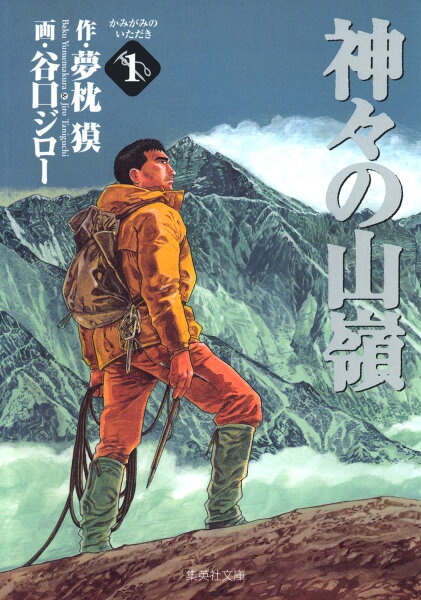
Kamigami no Itadaki
Kamigami no Itadaki is Jiro Taniguchi's 5-volume adaptation of Baku Yumemakura's mountaineering novel — Fukamachi, a journalist following the trail of a possibly-found camera that may prove George Mallory reached Everest's summit in 1924, with a Japanese alpinist's parallel obsession driving the story.
Sports
Dance Dance Danseur
Yu's review of Dance Dance Danseur — Junpei Murao buried his love of ballet after his father died because boys are supposed to be tough. Then a girl named Miyako and a strange, brilliant dancer named Luou pull it back out of him. George Asakura's seinen about what it costs a teenage boy to dance.
Sports / Slice of Life
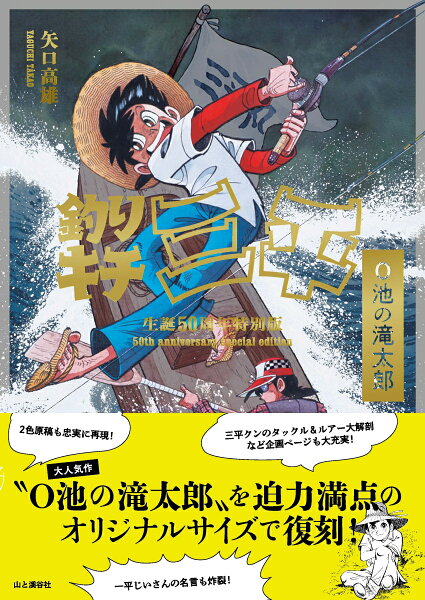
Sanpei the Fisherman
Sanpei the Fisherman follows Sanpei Mihara, a fishing-obsessed boy in rural Akita who travels Japan pursuing the perfect catch — learning about fish, rivers, and people along the way in one of manga's great nature-and-sport series.

Sports / Slice of Life
Absan
Absan follows Yasutake Kageura, a sake-drinking slugger for the Nankai / Daiei / SoftBank Hawks who entered as an undrafted pinch-hitter and retired 37 years later at 61, a 107-volume baseball manga by Shinji Mizushima that ran for over four decades.

Slice of Life / Sports
Slow Loop
A comprehensive review of Slow Loop — plot, characters, art style, and whether it's worth reading.
Sports / Comedy
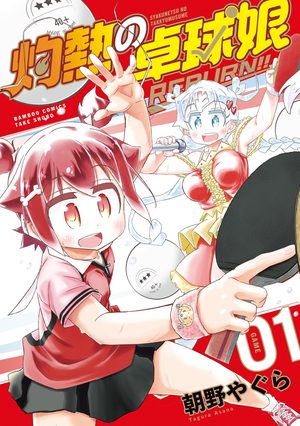
Shakunetsu no Takkyuu Musume (Scorching Ping Pong Girls)
Yu's review of Scorching Ping Pong Girls — Agari Kamiya is the best player at her middle school ping pong club until Tsumujikaze Koyori transfers in and shows her what it looks like when someone plays with pure, overwhelming love for the sport.
Written by
Yu
Manga Enthusiast from Japan
I grew up in Japan and manga literally saved me during a tough time in elementary school. My English isn't perfect, but my love for manga is real — and I want to share it with you.