
Monkey Turn Review: The Boat Racing Manga That Will Make You Care About a Sport You've Never Thought About
by Shinji Kawaguchi
Read the first volume. If it doesn't hook you, put it down. It'll hook you.
Buy Monkey Turn on Amazon →*Affiliate link — I earn a small commission at no extra cost to you.
Quick Take
- The definitive manga about kyotei (Japanese motorboat racing) — a sport most non-Japanese readers have never considered
- The "monkey turn" technique becomes one of manga's great physical achievements — specific, visual, earned
- A classic underdog sports manga with an unusual athletic context
Who Is This Manga For?
- Sports manga fans who want something completely outside the usual football/baseball/volleyball tracks
- Readers interested in gambling sports culture in Japan — kyotei is a legal betting sport
- Classic Weekly Big Comic Spirits readers from the 1990s-2000s
- Anyone curious about niche Japanese sporting culture
Content Warnings & Age Rating
Age Rating: T (Teen) Content Warnings: Sports competition with real physical danger, gambling context (kyotei is a betting sport), mild language
The gambling aspect is background texture rather than the story's focus.
Yu's Rating
| Category | Score |
|---|---|
| Story Depth | ★★★★☆ |
| Art Style | ★★★★☆ |
| Character Development | ★★★★☆ |
| Accessibility for Non-Japanese Readers | ★★★☆☆ |
| Reread Value | ★★★★☆ |
Story Overview
Hasegawa Kouji is not an obvious candidate for professional boat racing. He's small, determined, and has a gift for natural physical intuition on the water that his trainers recognize despite his complete inexperience.
Kyotei — professional motorboat racing — is a Japanese sport with a devoted following, legal betting, and demanding physical and technical requirements. The boats are small, the turns are sharp, and the "inside line" at turns is the competitive key. The "monkey turn" of the title is an advanced technique: a specific way of taking turns that requires exceptional balance, judgment, and risk tolerance.
Hasegawa learns his sport through the usual sports manga structure — mentors, rivals, advancement, setbacks, technical mastery pursued through obsessive practice. What distinguishes Monkey Turn is how completely it immerses you in the specific world of kyotei. By the end of thirty volumes, you understand this sport. You feel the turns.
Characters
Hasegawa Kouji: Physically unimposing but technically gifted — the series develops his natural intuition into genuine mastery across its run. His relationships with rivals and mentors are warmly drawn.
Various competitors: The kyotei racing world is rendered with a full supporting cast — trainers, rivals from other facilities, veteran racers who started where Hasegawa is starting.
Art Style
Kawaguchi's art excels at the physical specificity of boat racing — the boat's movement through water, the mechanics of a turn, the spatial relationships at tight corners. The "monkey turn" sequences are staged for maximum visual impact. Character designs are solid and distinctive.
Cultural Context
Kyotei is one of Japan's four legal gambling sports (alongside keirin cycling, horse racing, and motorboat racing at larger venues). It has a devoted betting community and professional structure unusual in Western sporting contexts. The series takes the competitive and financial stakes seriously without reducing the sport to gambling drama.
The physical world of kyotei — the racing facilities, the training compounds, the culture of the sport — is rendered with evident research.
What I Love About It
I love Monkey Turn because it made me care about a sport I had never heard of.
That's the fundamental test of sports manga, and Monkey Turn passes it completely. By volume five, I understood what made a good turn. By volume ten, I was rooting for specific approaches. By volume twenty, the technical details of the monkey turn — the specific balance, the specific risk — had become as emotionally loaded as any technique in any manga I'd read.
There's a kind of magic that great sports manga does: it transfers mastery. You don't just follow Hasegawa learning the turn. You learn the turn alongside him. The manga teaches you its sport the same way the sport teaches its practitioners — through repeated exposure, through showing you failure before success, through making you understand what makes the successful version special.
What English-Speaking Fans Say
Monkey Turn is not well-known in English-speaking markets — the series was never licensed, and kyotei is genuinely unfamiliar to Western audiences. Readers who encounter it through recommendations or access to Japanese editions universally describe it as an excellent sports manga that deserves wider attention.
The most common note: it solves the accessibility problem through sheer quality of sports-world immersion.
Memorable Scene ⚠️ Spoiler Warning
The first time Hasegawa successfully executes a true monkey turn in competition — not practice, not partial success, but the complete technique under race pressure — is the series' most important moment. The preparation across many chapters, the accumulation of failure, and then the physical sensation conveyed through Kawaguchi's panel work when it works. That scene is why sports manga exists as a genre.
Similar Manga
- Ashita no Joe: Classic underdog sports drama, boxing setting
- Hajime no Ippo: Similar technical depth in a more familiar sport
- Initial D: Another manga about a technical motorsport with specific physical techniques
Reading Order / Where to Start
Volume 1. The technical and competitive knowledge accumulates across the series.
Official English Translation Status
Monkey Turn has no official English translation. Available in Japanese.
Pros & Cons
Pros
- Makes an unfamiliar sport fully accessible
- Technical depth that rewards attention
- Classic sports manga structure executed well across 30 volumes
- The titular technique becomes genuinely meaningful
Cons
- No English translation
- 30 volumes is a significant commitment
- Kyotei's cultural context (legal gambling sport) requires some background
Format Comparison
| Format | Notes |
|---|---|
| Physical | Japanese editions available |
| Digital | Available in Japanese |
| Omnibus | Not available |
Where to Buy
No English release yet. That just means you find it before everyone else does.
*Affiliate link — I earn a small commission at no extra cost to you.
More Manga You Might Like
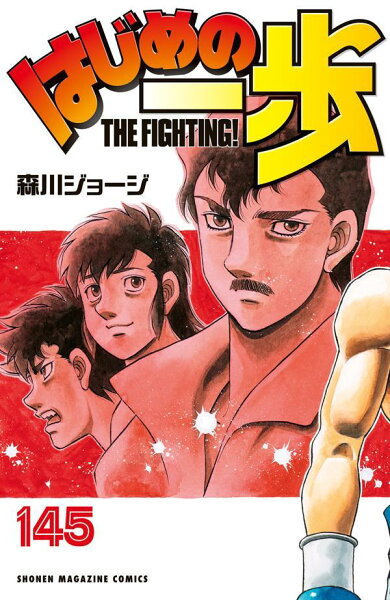
Sports
Hajime no Ippo
Yu's review of Hajime no Ippo — a bullied high school boy is saved by a professional boxer, discovers he has a natural gift for the sport, and begins the long road to becoming a champion.
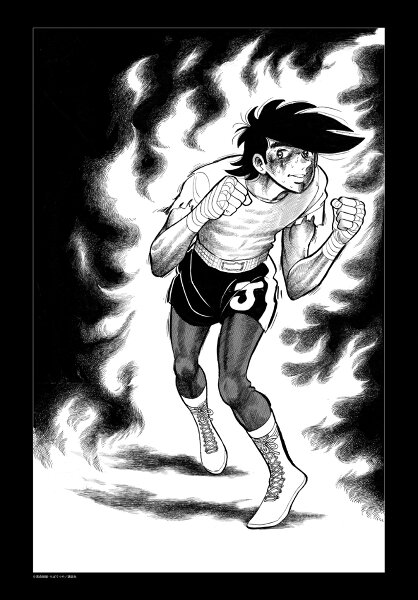
Sports / Drama
Ashita no Joe
Yu's review of Ashita no Joe — Joe Yabuki claws out of the postwar Tokyo slums, is found by a broken-down trainer, and turns boxing into a way to burn himself completely. From Rikiishi's fatal weight cut to the white-ash final scene, this is the manga that taught the whole genre what cost means.
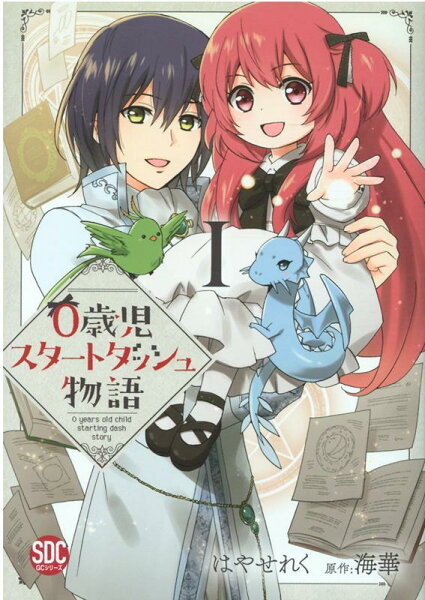
Sports / Drama
Shoot!
Shoot! follows Toshihiko Tanaka, who joins a high school soccer team to fulfill the dying wish of his childhood friend — and finds himself in a sport he barely knows, at a club that was legendary before it collapsed, trying to rebuild something worth the promise he made.
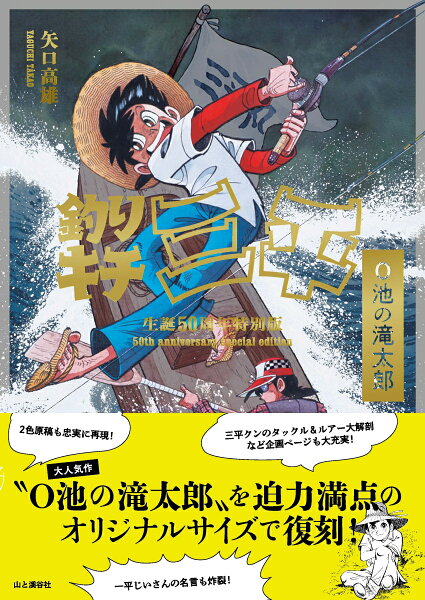
Sports / Slice of Life
Sanpei the Fisherman
Sanpei the Fisherman follows Sanpei Mihara, a fishing-obsessed boy in rural Akita who travels Japan pursuing the perfect catch — learning about fish, rivers, and people along the way in one of manga's great nature-and-sport series.
Sports / Drama
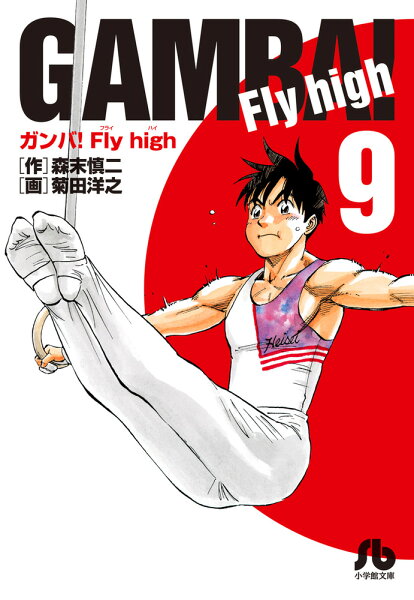
Gamba! Fly High
Gamba! Fly High follows Takeru Fujimaki, a boy with extraordinary natural talent who joins a gymnastics club and discovers that natural ability, without discipline and the right people around you, is not enough to reach the Olympics.
Sports / Drama
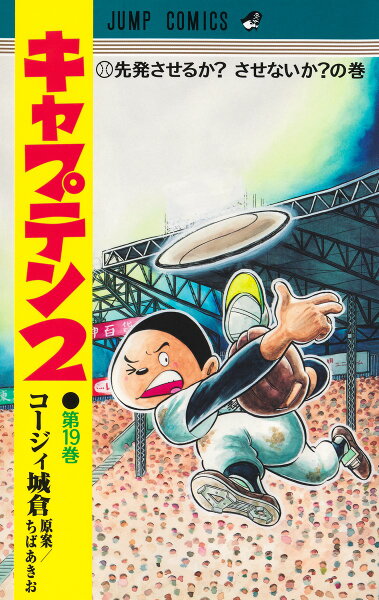
Captain
Captain follows four generations of captains at a weak downtown middle school baseball team — starting with Takao Taniguchi, a former bench player mistaken for a star, who trains himself half to death rather than admit the truth.
Written by
Yu
Manga Enthusiast from Japan
I grew up in Japan and manga literally saved me during a tough time in elementary school. My English isn't perfect, but my love for manga is real — and I want to share it with you.