
Mix: Meisei Story Review: Adachi's Return to Baseball Is as Perfect as Ever
by Mitsuru Adachi
Read the first volume. If it doesn't hook you, put it down. It'll hook you.
Buy Mix: Meisei Story on Amazon →*Affiliate link — I earn a small commission at no extra cost to you.
Quick Take
- Mitsuru Adachi returns to baseball with a story that honors Touch while being its own thing
- His signature understated style — sports drama told through glances and silences — is at its peak
- Perfect for Adachi fans and for readers new to his work
Who Is This Manga For?
- Sports manga readers who want real baseball craft, not just power-up sequences
- Fans of Mitsuru Adachi's Touch, H2, or Cross Game
- Readers who enjoy romance woven through sports rather than kept separate
- Anyone who appreciates restraint and understatement in storytelling
Content Warnings & Age Rating
Age Rating: T (Teen) Content Warnings: Mild romantic content, baseball-related drama
Very gentle. Appropriate for teen readers.
Yu's Rating
| Category | Score |
|---|---|
| Story Depth | ★★★★☆ |
| Art Style | ★★★★★ |
| Character Development | ★★★★★ |
| Accessibility for Non-Japanese Readers | ★★★★☆ |
| Reread Value | ★★★★★ |
Story Overview
Set at Meisei High School — the same school as Touch, Adachi's most beloved baseball manga — Mix follows Souichirou Touma and Mitsuhashi Touma, stepbrothers who share no blood but share a surname and a home.
The school's baseball program has been dormant since the legendary era of Touch. Souichirou, the younger step-brother, is a pitching talent. His relationship with his stepsister — the third Touma in the house — and the question of whether they can rebuild the school's baseball legacy is the story's spine.
Adachi's structural signature is here: baseball seasons that feel like real seasons, relationships that develop through proximity and shared work rather than dramatic confessions, and a comedy that is quieter than it looks.
Characters
Souichirou Touma has the classic Adachi protagonist energy — skilled, understated, not particularly interested in being noticed. His relationship with baseball is matter-of-fact in a way that makes his moments of real passion more striking.
Mitsuhashi Touma (the older step-brother) is the more socially aware of the two — he reads people where Souichirou does not bother.
Otomi Touma (the stepsister) is central to the story's emotional arc. The series navigates the question of how family bonds form when they are not biological with more delicacy than the premise requires.
The supporting cast of baseball players, coaches, and rivals is drawn with Adachi's characteristic care for giving everyone a specific personality in a small number of panels.
Art Style
Adachi's art style has remained consistent for decades, and Mix shows it at its most refined. Clean lines, expressive faces with minimalist detail, and an exceptional ability to convey silence and the passage of time.
His baseball sequences are technically sound — he clearly understands pitching mechanics, fielding positions, and what a real game looks like — and the action is drawn with the kind of restraint that makes key moments hit harder.
Cultural Context
The series' connection to Touch is meaningful in Japan, where Touch is considered one of the defining works of sports manga. Setting Mix in the same school with the same history creates a dialogue between generations — the story of whether what was built in Touch can be rebuilt, whether legacy means something.
Baseball in Japanese culture occupies a specific space: the high school baseball tournament (Koshien) is a national event that functions like a rite of passage. Mix, like all of Adachi's baseball manga, treats Koshien as genuinely important without ever being overblown about it.
What I Love About It
I have been reading Mitsuru Adachi since I was in middle school. Touch was one of the first manga I read that showed me what the medium could do with silence.
Mix is him at his most comfortable and most confident. The comedy timing is perfect. The baseball feels right. The relationship between Souichirou and Otomi develops at the pace that feels honest — two people who live in the same house and care about each other but are not certain what that means.
There is a chapter in one of the early volumes where Souichirou pitches in a practice game and Otomi watches from the stands. Nothing happens. A season changes. The chapter is about the feeling of watching someone you care about be good at something.
I have no idea how Adachi makes that so moving. But he does.
What English-Speaking Fans Say
Western readers who know Touch treat Mix as a long-anticipated return and generally love it. Those who discover Mix without Touch background find it an excellent entry point into Adachi's work — it stands completely alone while rewarding prior knowledge.
The ongoing release schedule means there is always more to look forward to.
Memorable Scene ⚠️ Spoiler Warning
The first time the Meisei team makes it to a significant game in an environment that echoes what happened there decades before is handled with extreme restraint. There is no dramatic speech about legacy or honoring the past. Just the game, played well, on that field.
That restraint is the point.
Similar Manga
- Touch — the predecessor; should be read either before or after Mix
- Cross Game — Adachi's most recent complete baseball series; excellent entry point
- H2 — another Adachi baseball manga with more relationship focus
- Major — longer, more intense baseball epic for readers who want more drama
Reading Order / Where to Start
New readers: Start with Mix from Volume 1 — it works standalone. Adachi readers: Read Touch, then Mix.
Official English Translation Status
VIZ Media has been publishing Mix in English. Multiple volumes are available. The series is ongoing in Japan at 25+ volumes.
Pros & Cons
Pros
- Adachi's best visual storytelling in years
- Baseball that feels technically authentic
- The relationship dynamics develop with real emotional intelligence
- Works both as a standalone series and as a love letter to Touch
Cons
- Ongoing with no end date — a long-term investment
- Adachi's understated style is not for everyone; some readers want more drama
- English release is behind Japanese
Format Comparison
| Format | Notes |
|---|---|
| Physical | VIZ volumes; recommended for this style of manga |
| Digital | Available on VIZ platforms and Kindle |
| Omnibus | Not currently available |
Where to Buy
Read the first volume. If it doesn't hook you, put it down. It'll hook you.
*Affiliate link — I earn a small commission at no extra cost to you.
More Manga You Might Like

Sports / Romance
Touch
Twin brothers Tatsuya and Kazuya Uesugi live next door to Minami Asakura. Kazuya is the baseball genius. Tatsuya is the slacker. Minami's dream is to see one of them pitch at Koshien. Then volume 6 happens, and Mitsuru Adachi's 1981 baseball manga becomes the work that defined Japanese sports manga forever.
Sports
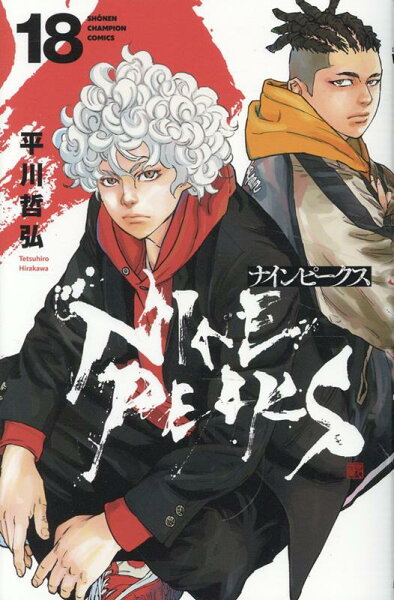
Nine
A review of Nine by Mitsuru Adachi — the 1978 baseball manga that established his signature style of interweaving sports and romance, a precursor to Touch and H2.
Sports / Romance
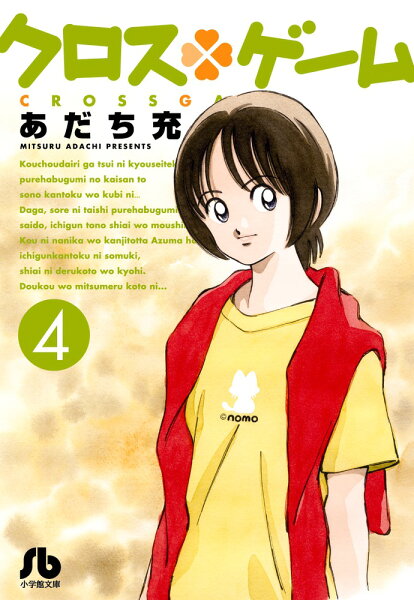
Cross Game
Yu's review of Cross Game — Ko grows up next to the four Tsukishima sisters, loses Wakaba in fifth grade, and spends seventeen volumes chasing the dream she left behind at Koshien.

Sports / Romance
H2
Mitsuru Adachi's longest baseball manga (1992–1999, 34 volumes). The title means '2 Heroes, 2 Heroines' — pitchers Hiro and Hideo, manager Haruka and childhood friend Hikari. After Touch's iconic tragedy, Adachi returned to baseball with a longer, lighter, but no less affecting story. Unlicensed in English; widely considered one of his three best works alongside Touch and Cross Game.
Sports / Romance
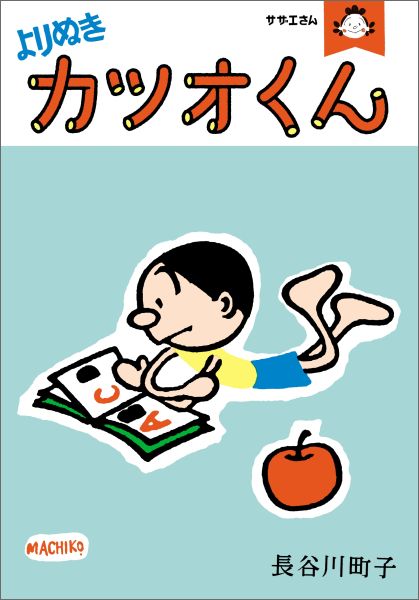
Katsu!
A comprehensive review of Katsu! — plot, characters, art style, and whether it's worth reading.
Sports / Drama
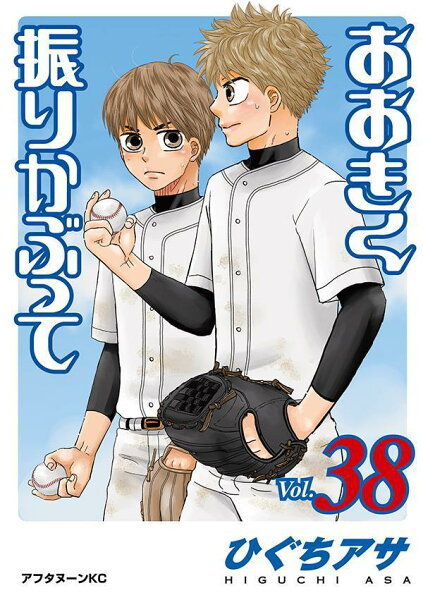
Big Windup!
Yu's review of Big Windup! (Ookiku Furikabutte) — a control pitcher with crippling anxiety joins a brand-new high school team and learns to trust the catcher calling his pitches. By Asa Higuchi.
Written by
Yu
Manga Enthusiast from Japan
I grew up in Japan and manga literally saved me during a tough time in elementary school. My English isn't perfect, but my love for manga is real — and I want to share it with you.
Disclosure: This post contains affiliate links. As an Amazon Associate, I earn from qualifying purchases at no extra cost to you.