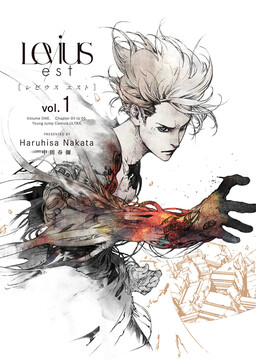
Levius/est Review: The Sequel Deepens the World and Darkens the Stakes of Mechanical Martial Arts
by Haruhisa Nakata
Read the first volume. If it doesn't hook you, put it down. It'll hook you.
Buy Levius/est on Amazon →*Affiliate link — I earn a small commission at no extra cost to you.
Quick Take
- The sequel that earns its existence — Nakata expands the Levius world rather than repeating it, bringing in political dimensions, deeper backstory, and a darker register while maintaining the exceptional visual quality
- At 8 volumes, Levius/est is nearly three times the length of the original, which allows Nakata to develop the world and characters in ways the compact original couldn't
- Requires reading Levius first; rewards readers who make the investment
Who Is This Manga For?
- Readers who finished Levius and want to continue the story
- Anyone interested in seeing the political and social dimensions of the mechanical martial arts world
- Fans of dark, visually ambitious manga with European art influences
- Readers who want a complete sequel series
Content Warnings & Age Rating
Age Rating: T (Teen) Content Warnings: Violence more intense than the original; darker themes including political violence and manipulation; body horror elements intensify; war backstory becomes more central
The T rating is appropriate with parental awareness of the darker content than the original.
Yu's Rating
| Category | Score |
|---|---|
| Story Depth | ★★★★★ |
| Art Style | ★★★★★ |
| Character Development | ★★★★★ |
| Accessibility for Non-Japanese Readers | ★★★★☆ |
| Reread Value | ★★★★★ |
Story Overview
Levius Cromwell's competitive career continues, but the sport's surface — controlled matches, sanctioned competition — increasingly fails to contain what lies beneath it. The technology of mechanical arms, the political structures that developed around the sport, and the people who control both become unavoidable as Levius's career advances.
The sequel examines what the sport is, what it is used for, and what it means that war created the conditions for it. Nakata's world-building interest in how the mechanical arm technology relates to its postwar context is the sequel's primary thematic concern.
Characters
Levius — His development in the sequel addresses the contained fury of the original — what that fury is, where it comes from, and what happens when it is finally examined rather than just channeled into the ring.
New characters — The expanded cast includes figures from the political and industrial dimensions of the mechanical martial arts world, each of whom illuminates different aspects of what the sport represents.
Art Style
Nakata's art reaches its peak in Levius/est — the cross-hatching is more elaborate, the mechanical designs more complex, the action sequences more cinematically composed. The European influence intensifies. Each volume is a visual achievement.
Cultural Context
Levius/est was published in Ultra Jump rather than Shonen Jump+, which allowed Nakata to develop the darker and more complex content that the sequel required. The move to a more mature magazine reflects the sequel's deepened ambitions.
What I Love About It
The chapters that address the postwar world's relationship with the mechanical arm technology — who benefits from the arms' existence, who suffers, and what the sport obscures — are the most thematically complete content in the entire Levius series. The sequel has something to say that the original was building toward.
What English-Speaking Fans Say
Western readers who came from Levius consistently describe Levius/est as one of the most visually accomplished manga available in English — Nakata's art at full development is genuinely exceptional. The expanded character work and world-building are consistently described as earning the sequel's existence rather than repeating the original.
Memorable Scene ⚠️ Spoiler Warning
The climactic match sequence — where the political and personal stakes of the entire series converge — is the most complete expression of what Nakata has been building across both series, and one of the best extended action sequences in either work.
Similar Manga
- Levius — The original series; read this first
- Berserk — Dark world-building with exceptional art
- Dorohedoro — Dense alternate world with European visual influence
- Vinland Saga — Historical action with political depth
Reading Order / Where to Start
Read Levius first (3 volumes), then Levius/est.
Official English Translation Status
VIZ Media published all 8 volumes. Complete and available.
Pros & Cons
Pros
- Nakata's art is exceptional — among the best visual work in manga
- The expanded world-building earns the sequel's existence
- Complete at 8 volumes
- Character development reaches its full potential here
Cons
- Requires reading Levius first
- The darker themes are more intense than the original
- The complex world-building requires engaged reading
Format Comparison
| Format | Notes |
|---|---|
| Individual Volumes | VIZ Media; complete |
| Digital | Available |
Where to Buy
Read the first volume. If it doesn't hook you, put it down. It'll hook you.
This post contains affiliate links. If you purchase through these links, I may earn a small commission at no extra cost to you. As an Amazon Associate, I earn from qualifying purchases.
*Affiliate link — I earn a small commission at no extra cost to you.
More Manga You Might Like
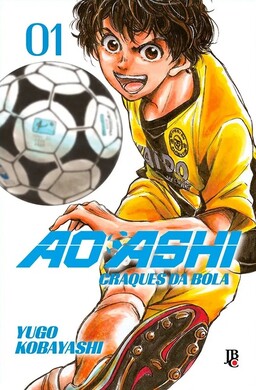
Sports
Ao Ashi
Yu's review of Ao Ashi — Ashito Aoi is recruited to the Tokyo City Esperion youth academy with a rare gift: he can see every player on the field simultaneously. But his coach already knows he is not a striker. The best soccer manga in English.
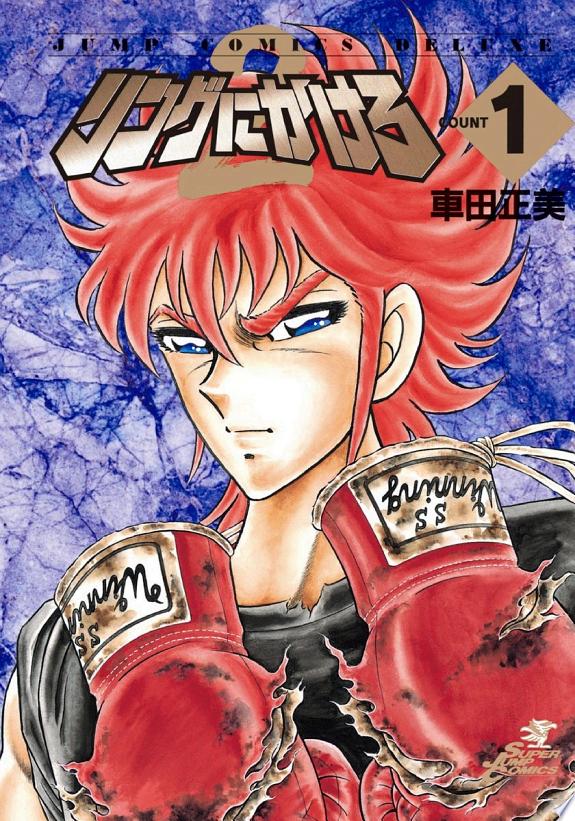
Sports / Action
Ring ni Kakero 2
Ring ni Kakero 2 is Masami Kurumada's sequel to his 1977 boxing classic — the next generation of Kurumada's punch-as-cosmic-force boxing universe across 26 volumes of operatic Super Jump action.
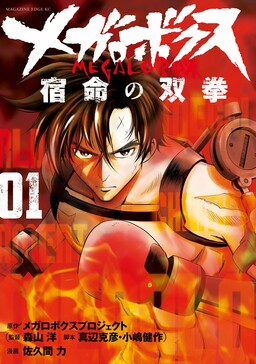
Sports
Megalo Box
Yu's review of Megalo Box — in a future where boxing is enhanced by mechanical exoskeletons, an undocumented fighter called Junk Dog challenges Megalonia, the world championship tournament; manga adaptation of the 50th anniversary Ashita no Joe project about a fighter with nothing to lose.
Sports / Action
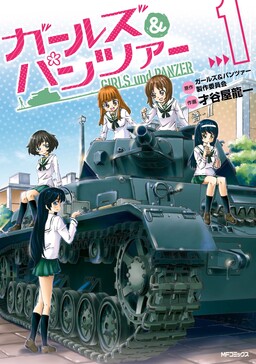
Girls und Panzer
Yu's review of Girls und Panzer — in a world where operating tanks in competitive combat is a traditional martial art for girls (called Sensha-do), Miho Nishizumi transfers to Ooarai Girls High School and finds the school has restarted its long-dormant Sensha-do club; she must lead a team using tanks from a dozen different nations against schools with much stronger programs.
Sports
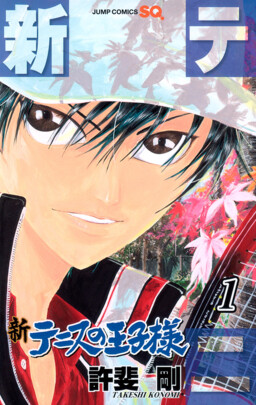
New Prince of Tennis
Yu's review of New Prince of Tennis — the sequel to The Prince of Tennis; Ryoma Echizen and Japan's top middle school tennis players are invited to a U-17 national training camp where the high school players are even more powerful and the tennis becomes increasingly divorced from physical reality; the sequel escalates the original's supernatural sports to maximum extremes.
Sports / Comedy
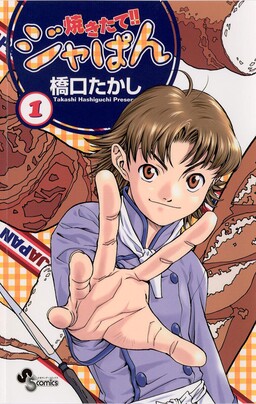
Yakitate!! Japan
Yu's review of Yakitate!! Japan — Kazuma Azuma has supernatural hands warm enough to activate yeast perfectly, and his dream is to create a national bread for Japan; the series applies shonen battle manga structure to competitive bread-baking with completely committed absurdist comedy.
Written by
Yu
Manga Enthusiast from Japan
I grew up in Japan and manga literally saved me during a tough time in elementary school. My English isn't perfect, but my love for manga is real — and I want to share it with you.
Disclosure: This post contains affiliate links. As an Amazon Associate, I earn from qualifying purchases at no extra cost to you.