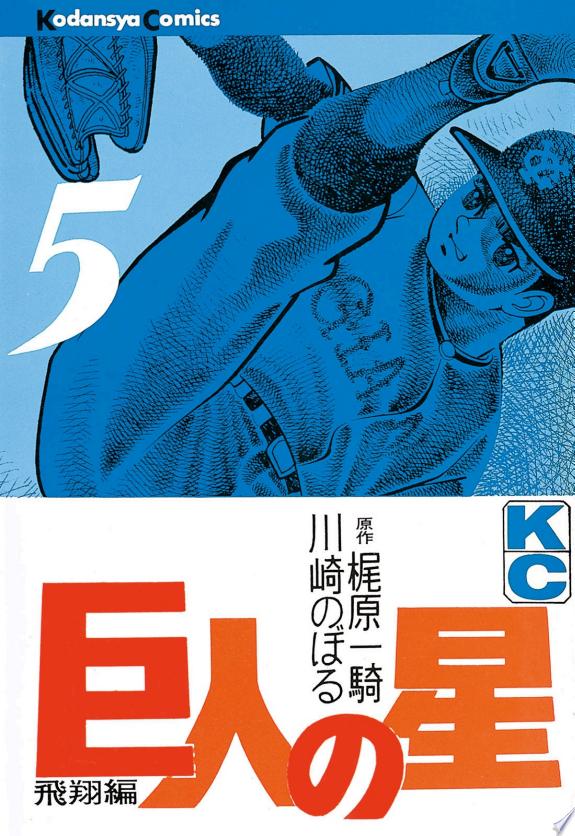
Kyojin no Hoshi Review: The Baseball Manga That Made Suffering Into Spectacle
by Ikki Kajiwara / Noboru Kawasaki
Read the first volume. If it doesn't hook you, put it down. It'll hook you.
Buy Kyojin no Hoshi on Amazon →*Affiliate link — I earn a small commission at no extra cost to you.
What if your father's dream was more important than your life — and you believed that too?
Quick Take
- Ikki Kajiwara and Noboru Kawasaki's landmark baseball manga — the work that defined Japanese sports drama for a generation
- Hyuma Hoshi is trained from infancy to be a baseball star; the training is extreme, the results are extraordinary, and the cost is everything
- 20 volumes of sustained emotional intensity — this is not just sports manga, it is a meditation on ambition and sacrifice
Who Is This Manga For?
- Readers interested in how Japanese sports manga developed — this is one of the founding texts
- Fans of dramatic sports stories who want emotional weight over tactical realism
- Readers curious about the "sports as suffering" tradition in Japanese popular culture
- Anyone who wants to understand the cultural archetype of the overworked Japanese athlete
Content Warnings & Age Rating
Age Rating: T (Teen) Content Warnings: Intense sports drama. Parental pressure bordering on abuse. Physical and psychological strain depicted throughout. Appropriate for the rating with awareness.
Suitable for teen readers and above, with awareness of intense themes.
Yu's Rating
| Category | Score |
|---|---|
| Story Depth | ★★★★★ |
| Art Style | ★★★★☆ |
| Character Development | ★★★★★ |
| Accessibility for Non-Japanese Readers | ★★★★☆ |
| Reread Value | ★★★★★ |
Story Overview
Ittetsu Hoshi was a baseball player who never achieved stardom. His response to this failure was to pour everything into his son Hyuma — training him from the earliest age, fitting him with devices to strengthen specific muscle groups, designing a childhood around producing a baseball player capable of the greatness Ittetsu never achieved.
Hyuma accepts this. He doesn't rebel. He doesn't resent his father. He believes in the goal — to become a star pitcher for the Yomiuri Giants — with the same completeness his father does. The manga follows his path from this intense childhood through professional baseball, as his extraordinary talent meets professional competition and the physical and psychological costs of his training begin to accumulate.
Kajiwara and Kawasaki don't editorialize about the training's ethics. They show it, they show its results — exceptional ability, intense suffering, a life devoted entirely to one goal — and they let the reader hold the complexity of admiring someone who has given everything for something that may not have been worth everything.
Characters
Hyuma Hoshi: A protagonist whose tragedy is not that he fails — it's that he succeeds. Everything he was trained to achieve, he achieves. The cost is the story.
Ittetsu Hoshi: The father — not simply a villain. He is a man who loved his son and expressed that love through demand. The manga treats this complexity honestly.
The opponents: Professional baseball players who force Hyuma to develop beyond his training, each encounter revealing something about the limits of what has been built into him.
Art Style
Noboru Kawasaki's art has the expressiveness of the best 1960s sports manga — faces that carry psychological weight, action sequences that convey physical effort, and a visual intensity that matches the emotional register of the story.
Cultural Context
Kyojin no Hoshi ran in Weekly Shonen Magazine from 1966 to 1971. It appeared during Japan's postwar period of intense ambition and defined, for a generation, what it meant to pursue excellence — the idea that extraordinary achievement requires extraordinary sacrifice, and that the sacrifice is part of the achievement.
The anime adaptation became one of the most-watched programs in Japan during its broadcast years. Its influence on Japanese sports culture — and on how Japanese people think about effort and ambition — is difficult to overstate.
What I Love About It
I love the father-son relationship's honesty.
Ittetsu's training is excessive. The manga knows it's excessive. But it also shows, consistently, that Hyuma is not broken by it — he is made by it, in ways that include both the extraordinary and the tragic. The manga refuses to make the father simply wrong or simply right. His love is real. His method is damaging. Both things are true simultaneously, and the manga holds them together without resolution.
What English-Speaking Fans Say
Not known in English-speaking markets. Among manga scholars and sports drama readers, Kyojin no Hoshi is recognized as the foundational text of Japanese sports manga — the work that established the "suffering as training" tradition that defined the genre for decades.
Memorable Scene ⚠️ Spoiler Warning
A moment when Hyuma, at the peak of his powers, understands what his training has cost him — not in a scene of regret but in a scene of clarity. He knows what he gave up. He knows he would give it up again. The scene is not tragic in the conventional sense; it is something more honest about what dedication actually means.
Similar Manga
| Title | Its Approach | How Kyojin no Hoshi Differs |
|---|---|---|
| Ashita no Joe | Boxing with social and emotional rawness | Baseball within a father-son achievement narrative |
| Major | Baseball prodigy with natural talent | Manufactured talent — the cost of being made rather than born |
| Rookies | Teacher rebuilding abandoned players | Father creating a player from birth with no ambiguity allowed |
Reading Order / Where to Start
Volume 1. The father-son dynamic is established from the beginning.
Official English Translation Status
Kyojin no Hoshi has no official English translation.
Pros & Cons
Pros
- Foundational text of Japanese sports manga
- The father-son dynamic is genuinely complex
- Emotional intensity that holds across 20 volumes
- Historically important to understanding Japanese sports culture
Cons
- No English translation
- The training methods depicted would be condemned by modern standards
- The emotional intensity is unrelenting — not everyone's mode
- The 1960s baseball context requires some background knowledge
Is Kyojin no Hoshi Worth Reading?
For readers interested in sports manga history and willing to engage with complex ethical territory, yes — this is foundational, formative, and still powerful. For readers wanting modern sports entertainment, the vintage format and intense themes may be obstacles. But as emotional drama, it remains one of the most honest things the genre produced.
Format Comparison
| Format | Notes |
|---|---|
| Physical | Japanese editions available |
| Digital | Available in Japanese |
| Omnibus | Collected editions available |
Where to Buy
No English release yet. That just means you find it before everyone else does.
*Affiliate link — I earn a small commission at no extra cost to you.
More Manga You Might Like
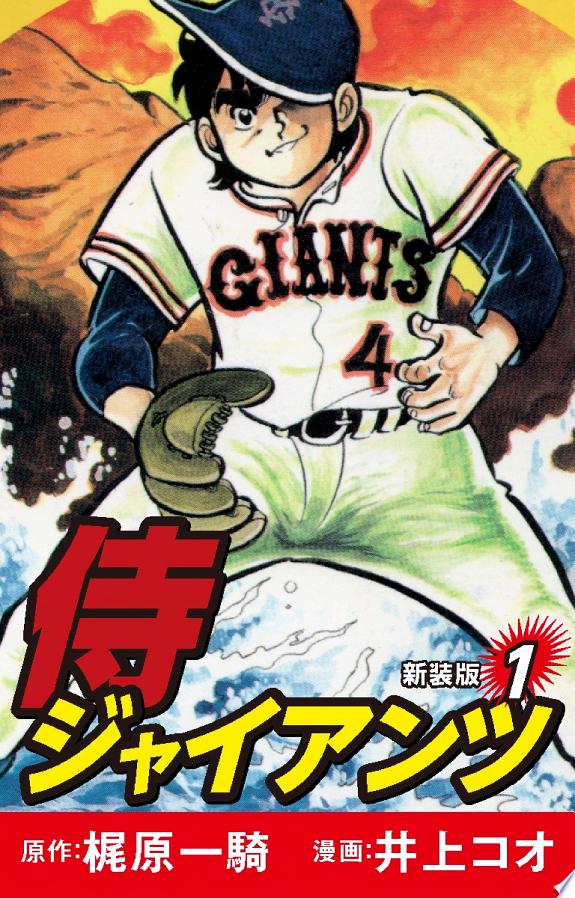
Sports / Drama
Samurai Giants
Samurai Giants follows Bangai Ban, a wild, untrained pitcher from rural Japan who joins the Yomiuri Giants and develops an extraordinary but physically destructive pitch — competing at the highest level while his arm deteriorates from the very technique that makes him exceptional.
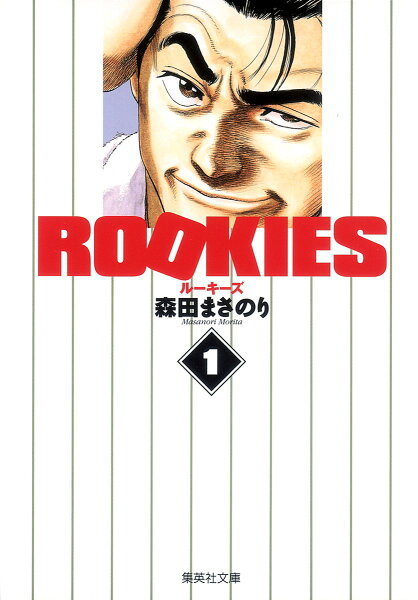
Sports / Drama
Rookies
Rookies follows Koichi Kawato, a young teacher transferred to Futakotamagawa High School who discovers a baseball club suspended after a violent incident — and decides, against all institutional advice, to coach them back to the Koshien.
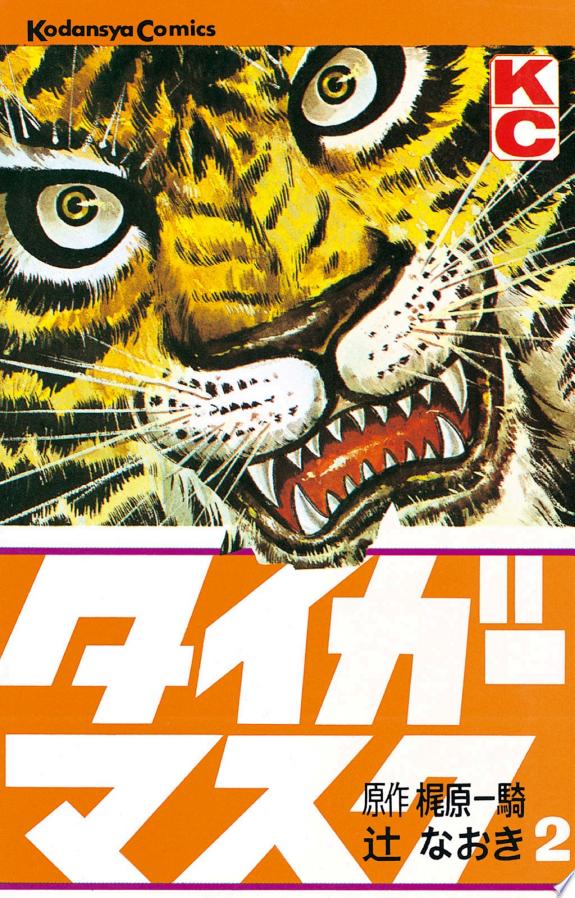
Sports / Drama
Tiger Mask
Tiger Mask follows Naoto Date, a professional wrestler trained by a criminal organization to be a heel — the villain of the ring — who defects from the organization and becomes a hero, knowing that the organization will send increasingly dangerous opponents to punish his betrayal.
Sports / Drama
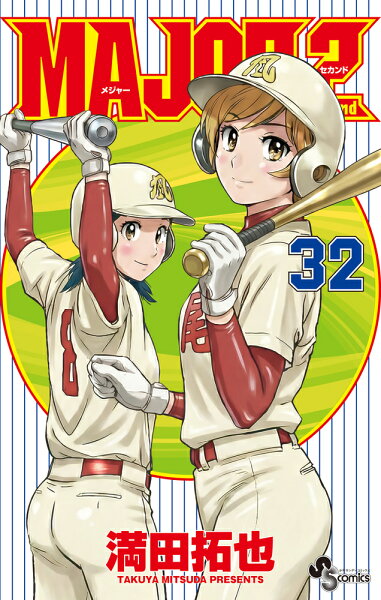
Major
Yu's review of Major — Goro Honda is the son of a professional baseball player; when loss defines his childhood, baseball becomes how he carries his father forward; the series follows Goro from little league through professional baseball across 78 volumes, one of the longest complete sports manga stories ever told.
Sports / Romance
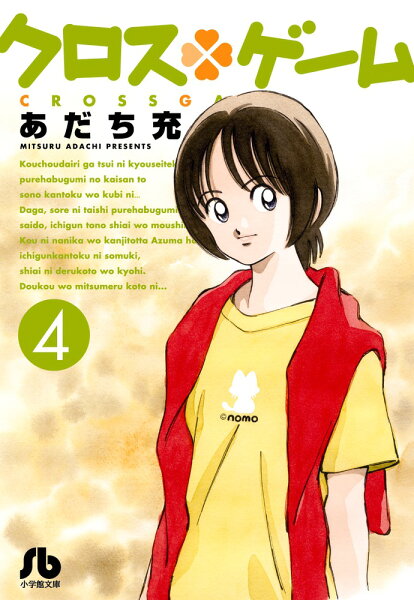
Cross Game
Yu's review of Cross Game — Ko grows up next to the four Tsukishima sisters, loses Wakaba in fifth grade, and spends seventeen volumes chasing the dream she left behind at Koshien.
Sports / Drama
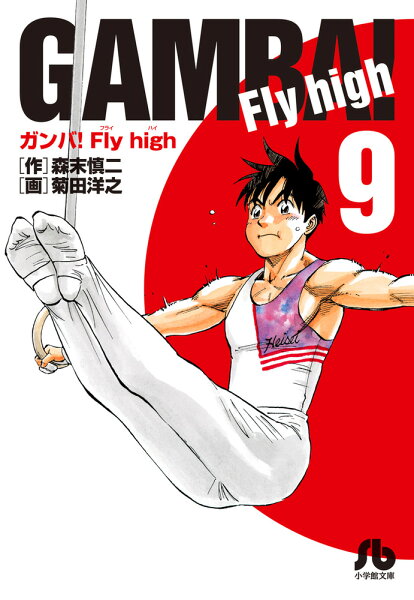
Gamba! Fly High
Gamba! Fly High follows Takeru Fujimaki, a boy with extraordinary natural talent who joins a gymnastics club and discovers that natural ability, without discipline and the right people around you, is not enough to reach the Olympics.
Written by
Yu
Manga Enthusiast from Japan
I grew up in Japan and manga literally saved me during a tough time in elementary school. My English isn't perfect, but my love for manga is real — and I want to share it with you.