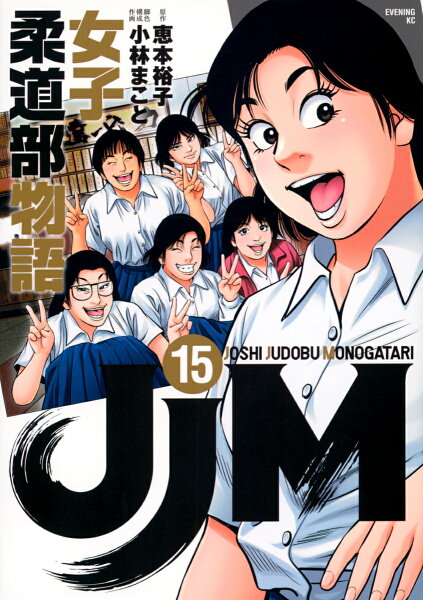
Judo Club Story Review: The Reluctant Judoka Who Became the Best Anyway
by Makoto Kobayashi
Read the first volume. If it doesn't hook you, put it down. It'll hook you.
Buy Judo Club Story on Amazon →*Affiliate link — I earn a small commission at no extra cost to you.
What if you joined the judo club by accident and turned out to be the best person in the room?
Quick Take
- Makoto Kobayashi's comedy sports manga — consistently funny and genuinely good at depicting judo technique
- Sanshiro starts as a complete beginner and grows through actual training, not shortcuts
- A perfect balance of comedy and sports authenticity — rare in either genre
Who Is This Manga For?
- Sports manga fans who want comedy alongside genuine athletic content
- Readers interested in judo as a martial art and competitive sport
- Anyone who likes reluctant-hero stories where the reluctance is earned and funny
- Fans of Kobayashi's work (What's Michael?) who want to see his sports manga
Content Warnings & Age Rating
Age Rating: T (Teen) Content Warnings: Sports violence consistent with judo competition. Comedic content including some physical humor. Appropriate for the rating.
Suitable for teen readers.
Yu's Rating
| Category | Score |
|---|---|
| Story Depth | ★★★★☆ |
| Art Style | ★★★★☆ |
| Character Development | ★★★★★ |
| Accessibility for Non-Japanese Readers | ★★★★☆ |
| Reread Value | ★★★★☆ |
Story Overview
Sanshiro Fujimaki enters high school intending to live a peaceful, sports-free existence. Through a chain of misunderstandings, he ends up in the judo club. His senpai immediately throws him around the mat to demonstrate the futility of resistance. Sanshiro resolves to quit at the first opportunity.
Then he wins his first match. Not elegantly, not through skill — through stubbornness and a body that turns out to be unusually suited to judo. And the senpai who threw him around begins to pay attention.
The series follows Sanshiro's progression from complete beginner to competitive judoka — against his consistent wishes, and with the help of a club that gradually becomes the thing he cares most about. It's a sports story about belonging that uses comedy to make the sentiment land without weight.
Kobayashi's judo knowledge is real. The techniques are accurately depicted, the tournament structures are correct, and the physical demands of competitive judo are shown honestly. The comedy never undercuts the sport.
Characters
Sanshiro Fujimaki: A reluctant protagonist whose development works because his reluctance is genuine and funny, not performative. He doesn't secretly love judo at the start — he genuinely doesn't want to be there. His eventual attachment to it is earned through experience, not destiny.
The judo club: An ensemble of senpai and teammates who are individually funny and collectively a portrait of what competitive athletics does to people who take it seriously.
Art Style
Kobayashi's art style is clean and expressive — his comedy backgrounds are well-placed, his character expressions communicate humor precisely, and his judo sequences are detailed enough to be instructive. He doesn't sacrifice sports accuracy for comedic effect or vice versa.
Cultural Context
Judo Club Story ran in Weekly Young Magazine from 1985 to 1992. It reflects the culture of Japanese high school athletics — the senpai/kouhai hierarchies, the intensive training culture, the role of club sports in Japanese adolescent social life — with affection and gentle comedy.
The manga was an influence on a generation of sports manga that followed, particularly in its handling of the comedy-sports balance.
What I Love About It
I love that Sanshiro never fully stops complaining.
Most sports manga protagonists convert to total enthusiasm at some point. Sanshiro never quite does. Even as he gets better, even as he starts winning tournaments, even as judo becomes central to his life — there is always a part of him that preferred the peaceful existence he planned. This ambivalence makes him more human than the typical passionate-protagonist template.
What English-Speaking Fans Say
Not known in English-speaking markets. Among readers of Japanese sports manga, Judo Club Story is appreciated as a clean, funny, and accurate depiction of competitive judo that manages to be both genuinely comedic and genuinely sports-serious.
Memorable Scene ⚠️ Spoiler Warning
Sanshiro's first real tournament — his first structured competitive experience after months of training — and the scene where he realizes his body knows what to do even before his mind does. The transition from reluctance to actual athletic competence is handled exactly right: it's not triumphant, it's surprised.
Similar Manga
- Yawara!: Naoki Urasawa's judo manga — more dramatic, same sport
- Ippo: Longer, more intense sports progression — different sport
- Ore wa Teppei: Another sports comedy about a reluctant protagonist
Reading Order / Where to Start
Volume 1. The series is linear and builds Sanshiro's development chronologically.
Official English Translation Status
Judo Club Story has no official English translation.
Pros & Cons
Pros
- Excellent balance of comedy and sports authenticity
- Sanshiro's reluctant-hero arc is genuinely funny and touching
- Real judo knowledge — the techniques are accurate
- Complete at 11 volumes
Cons
- No English translation
- The judo specificity may limit appeal for non-sports readers
- Comedy-sports hybrid may not satisfy readers wanting pure sports drama
Format Comparison
| Format | Notes |
|---|---|
| Physical | Japanese editions available |
| Digital | Available in Japanese |
| Omnibus | Collected editions available |
Where to Buy
No English release yet. That just means you find it before everyone else does.
*Affiliate link — I earn a small commission at no extra cost to you.
More Manga You Might Like
Sports / Romance
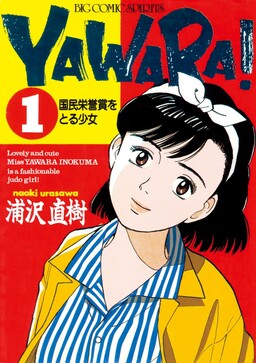
Yawara! A Fashionable Judo Girl
Yu's review of Yawara! — Yawara Inokuma is the granddaughter of a legendary judo master who has trained her since childhood to be a world champion; she has extraordinary talent and absolutely no desire to compete; what follows is her journey toward the Barcelona Olympics despite her own resistance.
Sports / Drama
Ore wa Teppei
Ore wa Teppei follows Teppei, a wild boy raised in the mountains who comes to the city and discovers judo — a story about raw talent meeting structured discipline, and what happens when someone who has never been constrained learns to choose constraint.
Sports / Comedy
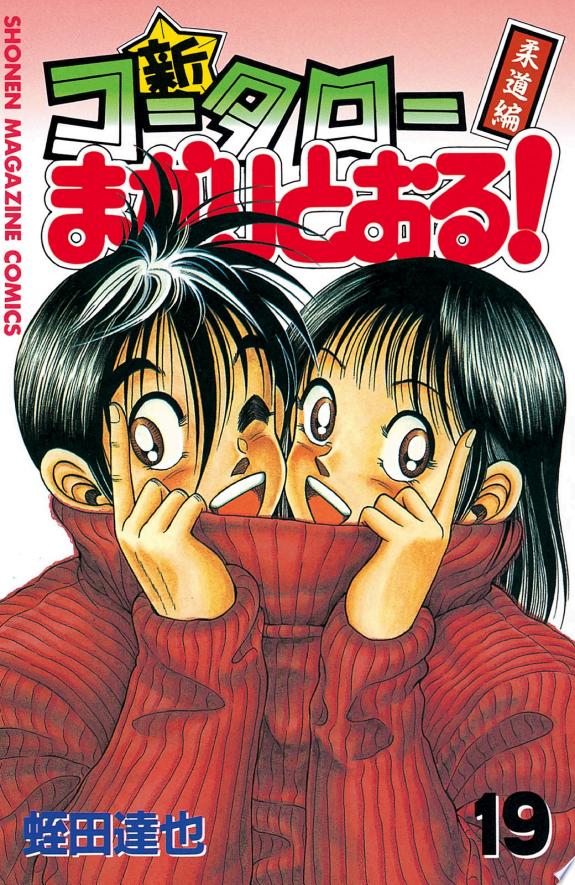
Kotaro Makaritoru
Kotaro Makaritoru follows Kotaro Shindo, a karate expert at a Japanese high school whose combination of martial prowess, persistent cheerfulness, and complete obliviousness to normal social rules makes every school day into an event.
Sports / Adventure
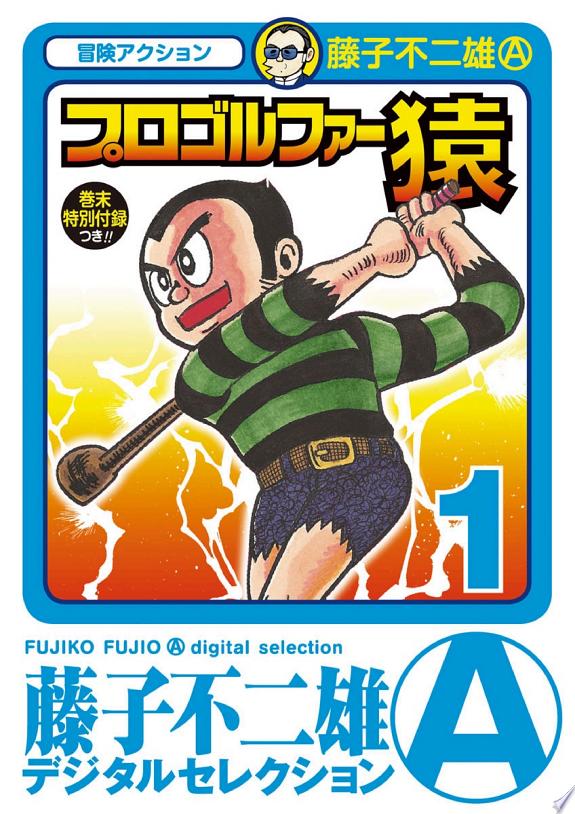
Pro Golfer Saru
Pro Golfer Saru follows Sarugami Mitsuru, a young boy raised in the mountains who has developed an almost supernatural golf ability — and who enters the professional golf world with a combination of wild talent and complete ignorance of its conventions.
Sports / Comedy
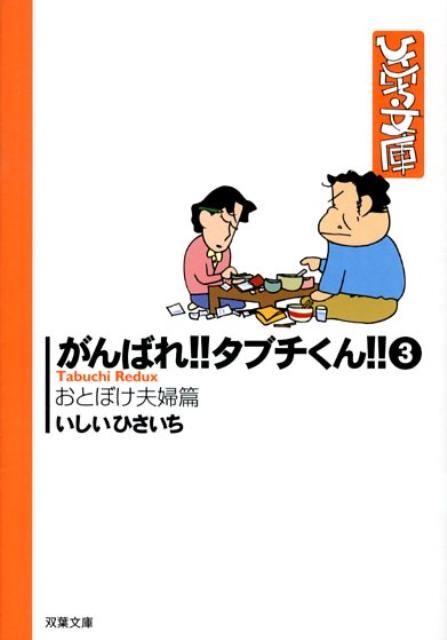
Ganbare!! Tabuchi-kun!!
Ganbare!! Tabuchi-kun!! is Hisaichi Ishii's newspaper 4-koma comedy featuring a parody version of real Seibu Lions player Koji Tabuchi — gentle, self-deprecating, perpetually optimistic baseball humor that ran for years and turned Tabuchi into a beloved cultural figure beyond his actual batting average.
Sports / Comedy
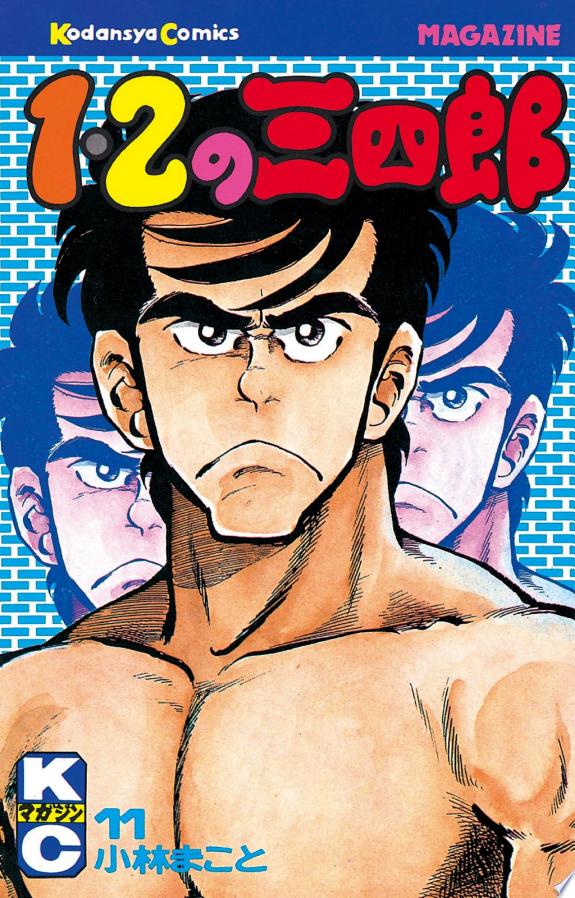
1-2 no Sanshiro
1-2 no Sanshiro follows Sanshiro Azuma, a goofy high-school athlete who blunders through rugby, judo, and finally professional wrestling — Makoto Kobayashi's Kodansha Manga Award-winning Weekly Shonen Magazine comedy from 1978 to 1983.
Written by
Yu
Manga Enthusiast from Japan
I grew up in Japan and manga literally saved me during a tough time in elementary school. My English isn't perfect, but my love for manga is real — and I want to share it with you.